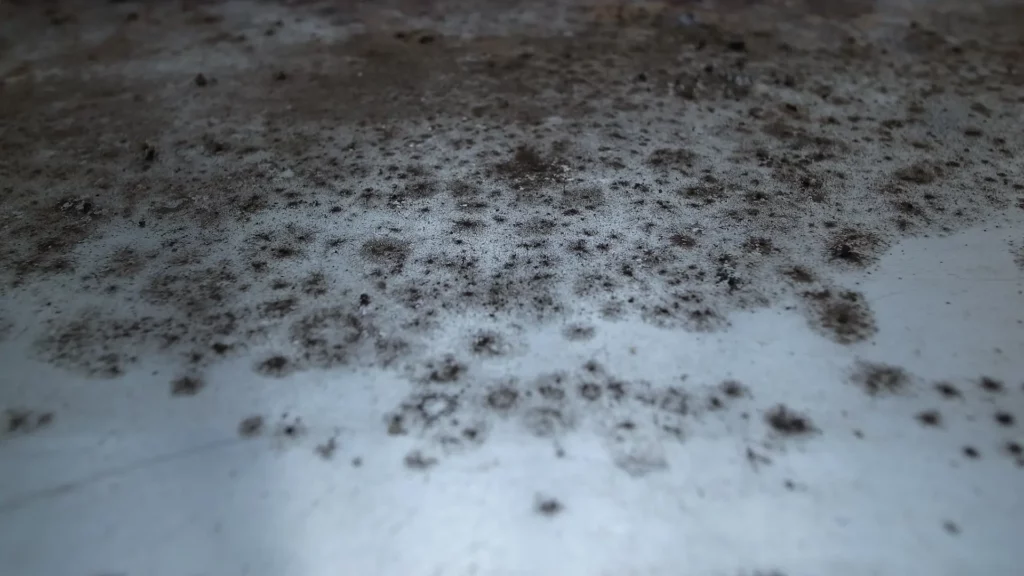

Mold in a rental home can be more than an unpleasant maintenance problem. If a Philadelphia apartment, row home, townhouse, or other rental property develops mold because of a leaking roof, plumbing failure, water intrusion, or another unresolved building problem, tenants may have rights that require the landlord to address the underlying condition.
Philadelphia’s rules are particularly important because the City does not have a separate regulation specifically governing mold. Instead, mold-related rental problems can fall under broader requirements involving safe and sanitary housing, property maintenance, repairs, and tenant protections. The Philadelphia Department of Public Health specifically states that the City does not regulate mold or conduct mold inspections, but directs residents to report structural problems that can create excess water and promote mold growth.
Does Philadelphia Have a Mold Law for Rental Properties?
Not exactly.
As of 2026, Philadelphia does not have a standalone municipal mold regulation that establishes a specific acceptable mold level or requires the City to perform mold testing in rental properties.
The Philadelphia Department of Public Health expressly states that the City “does not have any regulations for mold” and that the department does not conduct mold inspections. However, the City advises tenants to report problems such as leaking roofs, cracked walls, missing windows, and plumbing issues because these structural conditions can create excess water and promote mold growth.
This distinction is important.
A landlord may not necessarily be violating a law simply because mold is visible. However, the underlying condition causing the mold—such as a serious plumbing leak, roof leak, water intrusion, or other property-maintenance problem—may violate Philadelphia’s housing requirements.
Philadelphia’s Safe and Healthy Homes provisions also specifically protect a tenant’s right to safe and sanitary living conditions and prohibit conduct that materially interferes with that right. The ordinance includes failing to perform repairs and maintenance in a reasonably timely manner in a way that minimizes exposure to mold and other potentially harmful building materials.
What Are Philadelphia Landlords Responsible for When Mold Appears?
Philadelphia landlords are responsible for maintaining rental properties in accordance with applicable housing requirements.
The City requires landlords to obtain a Rental License for residential rental properties. Landlords also generally must provide tenants with a Certificate of Rental Suitability, which confirms that the property has no outstanding maintenance issues and that its operating systems and condition do not have health and safety defects. The certificate also states that the landlord will maintain the property’s operating systems and condition throughout the tenancy.
When mold results from a property defect that the landlord is responsible for fixing, the landlord may therefore have an obligation to correct the underlying problem.
Examples include:
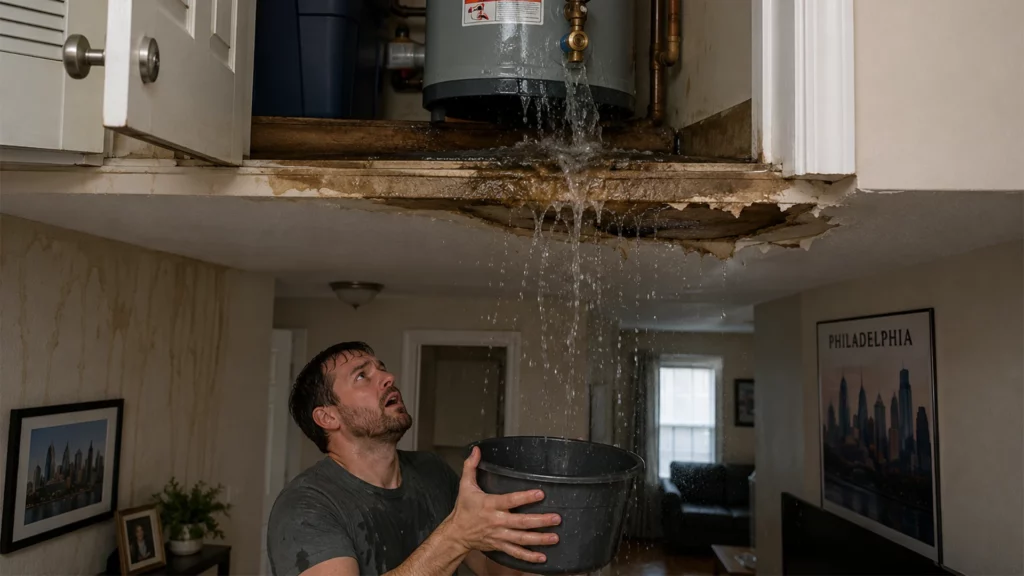
- A leaking roof allowing water into the apartment
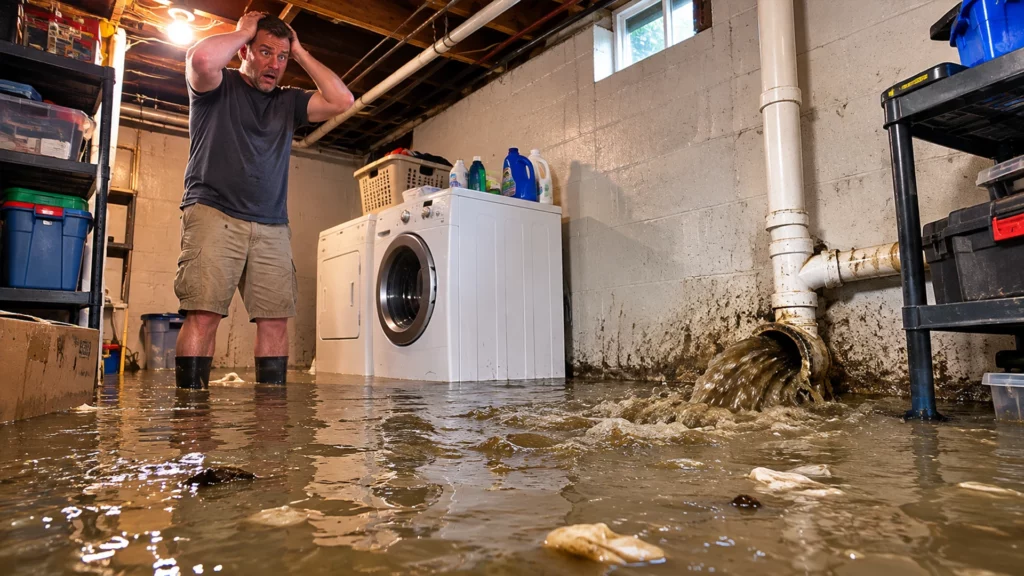
- A plumbing leak inside a wall
- A leaking pipe beneath a sink
- Water intrusion through a damaged exterior wall
- A broken or leaking window
- Persistent moisture caused by a building defect
- Water damage that was not properly dried
- A recurring leak that the landlord has been notified about
The exact legal responsibility depends on the circumstances, including what caused the moisture and whether the tenant contributed to the problem.
Does a Landlord Have to Remove Mold in Philadelphia?
There is an important distinction between removing mold and repairing the condition that caused it.
Philadelphia does not have a specific mold-remediation statute requiring landlords to hire a mold-remediation company whenever mold is discovered.
However, if mold is associated with a housing condition that violates applicable property-maintenance or habitability requirements, the landlord may be required to address that condition.
For example, imagine a tenant in a Philadelphia row home discovers mold on a bedroom wall. Investigation reveals that rainwater has been entering through a damaged roof. Simply wiping the mold off the wall would not address the underlying problem. The roof leak and resulting water damage would need to be addressed.
Similarly, if a plumbing leak inside a wall has caused persistent moisture and mold, repairing the plumbing and properly addressing the affected building materials may be necessary.
Philadelphia’s Safe and Healthy Homes ordinance specifically refers to timely repairs and maintenance intended to minimize exposure to mold and other potentially harmful materials.
What Should a Philadelphia Tenant Do If They Find Mold?
The first step is to document the problem.
Take clear photographs and videos showing:
- The visible mold
- Water stains
- Peeling paint
- Damaged drywall
- Ceiling damage
- Leaking pipes
- Damp areas
- Damaged flooring
- Any other apparent source of moisture
Keep copies of your photographs rather than relying solely on messages sent through a landlord’s maintenance system.
Next, notify the landlord or property manager in writing.
Philadelphia tenant resources recommend reporting repair problems in writing and documenting the condition with photographs or video. If a phone conversation occurs, tenants should consider following up in writing to create a record of what was reported and what the landlord agreed to do.
A written notice could say:
“There is visible mold and ongoing moisture damage in the bathroom. The area appears to be affected by a leak around the plumbing. Please arrange for the source of the water intrusion to be inspected and repaired and for the affected area to be properly addressed.”
Keep the communication factual and avoid making unsupported claims about the specific type of mold.
Should a Tenant Ask the Landlord to Test the Mold?
Tenants can certainly ask questions about the source and extent of the problem, but mold testing is not always necessary to establish that a property has a moisture or maintenance problem.
Philadelphia’s Department of Public Health does not conduct mold inspections. The City instead recommends reporting the underlying structural or maintenance problems that can cause mold.
For example, a documented leaking roof or plumbing failure may be much more useful for a housing complaint than simply identifying the species of mold present.
Testing may sometimes be useful in particular circumstances, but tenants should not assume that an air-quality test or mold species identification is required before they can report a serious housing condition.
What If the Landlord Ignores a Mold Complaint?
If a landlord does not respond appropriately to a serious repair problem, Philadelphia tenants have additional options.
One option is to request an inspection through Philadelphia 311.
The Department of Licenses and Inspections can investigate many housing and property-maintenance complaints. Philadelphia Legal Assistance advises tenants to contact L&I through 311 when a landlord refuses to make necessary repairs.
The City specifically recommends contacting 311 about conditions such as:
- Leaking roofs
- Plumbing problems
- Cracked walls
- Missing windows
- Other structural problems that can create excess moisture
These are often the underlying conditions responsible for mold.
Can a Philadelphia Tenant Report a Landlord to L&I Because of Mold?
Yes, but it is generally better to report the underlying housing or maintenance violation rather than simply saying “there is mold.”
For example, a tenant might report:
- An unresolved plumbing leak
- Water entering through the roof
- A leaking ceiling
- Water-damaged drywall
- Persistent moisture
- A broken window allowing water into the property
- Other unsafe or unsanitary property conditions
L&I can inspect housing conditions and determine whether violations exist.
Philadelphia’s Department of Licenses and Inspections explains that it serves landlords and tenants and responds to complaints involving many code violations.
Can a Philadelphia Landlord Retaliate Against a Tenant for Reporting Mold?
Philadelphia tenants have protections against certain forms of retaliation.
The City’s Fair Housing Commission identifies retaliation for exercising legal rights as an unfair rental practice. The City specifically gives examples such as raising rent, shutting off utilities, or attempting to evict a tenant after the tenant exercises protected rights.
Philadelphia’s Safe and Healthy Homes ordinance also protects tenants’ rights relating to habitability and tenant activity.
If a landlord threatens eviction, changes the terms of a tenancy, or takes another adverse action after a tenant reports serious housing problems, the tenant should document the situation and seek legal advice rather than assuming the landlord’s action is lawful.
Can a Landlord Evict a Tenant for Reporting Mold?
A landlord cannot simply perform a “self-help” eviction because a tenant complained about mold or requested repairs.
Philadelphia identifies practices such as changing locks, blocking doors or windows, shutting off utilities, or using force to make a tenant leave as examples of unlawful eviction practices.
Philadelphia also has protections against certain retaliatory lease terminations.
If a rental property is cited for a code violation, Philadelphia law prohibits a landlord from responding by raising the tenant’s rent or terminating the lease in certain circumstances. The Fair Housing Commission also explains that tenants can challenge qualifying termination notices.
If you receive an eviction notice after reporting mold or other serious property problems, do not simply move out or ignore the notice. Consider contacting a tenant attorney or legal-aid organization promptly.
Can Tenants Withhold Rent Because of Mold in Philadelphia?
This is one of the most important areas where tenants should not act without understanding the legal process.
Pennsylvania recognizes an implied warranty of habitability requiring landlords to maintain rental housing in a safe and livable condition. Serious defects can potentially trigger tenant remedies.
However, a tenant should not simply stop paying rent because mold appears.
Rent withholding, rent escrow, repair-and-deduct, lease termination, and other remedies have specific legal requirements and risks. The appropriate remedy depends on the circumstances.
Before withholding rent or deducting the cost of mold remediation from rent, tenants should obtain advice from a qualified Pennsylvania attorney or tenant-rights organization.
What If the Tenant Caused the Mold?
Landlord responsibility is not unlimited.
If a tenant’s actions caused or substantially contributed to the moisture problem, responsibility may be different.
For example, ordinary bathroom humidity is not necessarily a landlord violation. Tenants may have responsibilities involving reasonable housekeeping, ventilation, and preventing damage caused by their own actions.
On the other hand, a tenant generally should not be blamed for mold caused by a leaking roof, defective plumbing, water intrusion through the building envelope, or another structural problem that the landlord is responsible for addressing.
Determining who is responsible requires looking at the actual cause of the moisture problem.
What If Mold Damages a Tenant’s Belongings?
Mold and water damage can affect clothing, furniture, electronics, mattresses, documents, and other personal property.
Tenants should photograph damaged belongings and preserve receipts, purchase records, communications, and other evidence that may establish their value.
Whether a landlord is financially responsible for personal-property damage depends on the circumstances, including the cause of the damage, notice to the landlord, negligence, the lease, and applicable law.
Renters insurance may also provide coverage for certain types of losses depending on the policy and cause of damage.
Do not assume that the landlord automatically owes compensation for every item damaged by mold.
What If the Landlord Wants to Paint Over the Mold?
Painting over visible mold without addressing the moisture source is generally not an adequate solution to an ongoing moisture problem.
If a landlord simply paints over a moldy wall while a plumbing or roof leak continues, the underlying condition remains.
Tenants should document the condition before and after repairs and ask the landlord in writing what caused the moisture and how the underlying problem will be corrected.
If the condition remains unresolved, a tenant may consider requesting an L&I inspection or obtaining legal assistance.
Can a Tenant Hire a Mold Remediation Company?
A tenant can ask the landlord to arrange professional mold remediation when appropriate.
However, tenants should be cautious about independently hiring a contractor and assuming they can automatically deduct the cost from rent.
The safest approach is generally to:
- Document the mold and moisture problem.
- Notify the landlord in writing.
- Give the landlord an opportunity to address the underlying problem, when appropriate.
- Document the landlord’s response.
- Contact 311/L&I if necessary.
- Obtain legal advice before taking actions such as withholding rent or deducting repair costs.
This approach creates a clear record and reduces the risk of a dispute over unauthorized repairs or rent payments.
What Should Tenants Document When Reporting Mold?
Good documentation can be extremely valuable.
Keep:
- Photographs of mold
- Videos of leaks
- Pictures of water stains
- Dates of each occurrence
- Copies of maintenance requests
- Emails and text messages
- Landlord responses
- Inspection reports
- L&I records
- Contractor estimates
- Receipts for related expenses
- Records of damaged belongings
If mold repeatedly appears after the same leak, document each occurrence.
For example, if a Philadelphia tenant reports a ceiling leak in January, the landlord performs a cosmetic repair in February, and mold appears again in March, the timeline may help demonstrate that the underlying moisture problem was not adequately resolved.
Does Philadelphia Require Landlords to Have a Rental License?
Generally, yes.
Philadelphia requires a Rental License for properties rented as dwelling, rooming, or sleeping units. The City states that landlords must comply with additional requirements associated with renting residential property.
Tenants can use the City’s property information tools to check licensing and property information.
Philadelphia Legal Assistance also advises renters to check whether their landlord has a valid rental license.
A missing or expired rental license can create additional legal issues for a landlord and may be relevant to a tenant’s broader housing dispute.
What Is the Certificate of Rental Suitability?
Philadelphia requires landlords to provide a Certificate of Rental Suitability to tenants under applicable circumstances.
The certificate indicates that the property has the required licenses, has no outstanding maintenance issues that prevent certification, and has functioning fire-protection systems and no health and safety defects covered by the certification requirements. The landlord also agrees to maintain the property throughout the tenancy.
Tenants should keep a copy of the certificate and other documents received when they move into a Philadelphia rental property.
What If Mold Is Affecting My Health?
Mold exposure can cause symptoms such as coughing, wheezing, nasal congestion, throat irritation, eye irritation, and skin irritation in some people. Individuals with mold allergies or asthma may be more sensitive.
Tenants experiencing health symptoms should speak with a healthcare professional.
From a housing standpoint, tenants should also document the environmental condition and notify the landlord about the moisture or mold problem.
A medical diagnosis does not automatically determine whether a landlord is legally responsible, but medical records may become relevant in some disputes.
What Should Philadelphia Tenants Do About Mold?
If you discover mold in your Philadelphia rental, a practical approach is:
1. Document the condition
Take photographs and videos before disturbing the affected area.
2. Find the source of moisture
Look for leaks, water stains, plumbing problems, condensation, roof damage, or other sources of water.
3. Notify your landlord in writing
Explain what you found and request that the underlying problem be inspected and repaired.
4. Keep all communications
Save emails, texts, maintenance requests, photographs, and responses.
5. Request an inspection if necessary
If serious conditions remain unresolved, contact Philadelphia 311 and request assistance from L&I.
6. Do not automatically stop paying rent
Before withholding rent, using rent escrow, repairing the property yourself, or deducting expenses from rent, obtain legal advice about the specific circumstances.
7. Seek legal assistance when necessary
If your landlord refuses to make serious repairs, threatens eviction, retaliates against you, or disputes your rights, consider contacting a Philadelphia tenant-rights organization or attorney.
Philadelphia Tenant Mold FAQs
Does Philadelphia have a law specifically about mold?
Philadelphia does not currently have a standalone mold regulation. The City says its Department of Public Health does not conduct mold inspections. However, Philadelphia’s housing and habitability requirements address unsafe and unsanitary conditions and timely repairs that can minimize exposure to mold.
Is my landlord responsible for mold in my Philadelphia apartment?
It depends on the cause. If mold results from a condition the landlord is responsible for maintaining—such as a roof leak, plumbing failure, or other serious building defect—the landlord may have an obligation to address the underlying condition. Responsibility can differ if the tenant caused or contributed to the moisture problem.
Can I call 311 about mold in Philadelphia?
Yes. The City recommends reporting underlying conditions that can create excess moisture and promote mold growth, including leaking roofs, plumbing problems, cracked walls, and missing windows. L&I can investigate applicable housing and property-maintenance complaints.
Can my landlord evict me for reporting mold?
Philadelphia provides protections against certain retaliatory actions by landlords, including retaliation for exercising protected rights. A landlord also cannot simply lock a tenant out or use other “self-help” eviction methods.
Can I stop paying rent because my apartment has mold?
Do not simply stop paying rent. Pennsylvania habitability law may provide remedies for serious housing defects, but rent withholding and other remedies have legal requirements and risks. Speak with a qualified tenant attorney or legal-aid organization before taking this step.
Does my landlord have to pay for a mold inspection?
Philadelphia does not have a general rule requiring landlords to pay for mold testing. The City does not conduct mold inspections itself. The more important issue is often identifying and correcting the moisture or building condition responsible for the mold.
What if my landlord refuses to fix a leaking roof that is causing mold?
Put the repair request in writing and document the leak, water damage, and mold. If the landlord does not make the necessary repairs, consider contacting Philadelphia 311/L&I and seeking tenant-rights legal assistance. Philadelphia tenant resources specifically recommend written repair requests and L&I inspections when landlords refuse necessary repairs.
Does a Philadelphia landlord have to provide a safe and sanitary rental?
Yes. Philadelphia’s Safe and Healthy Homes provisions state that tenants have a right to safe and sanitary living conditions throughout their tenancy.
Professional Mold Remediation for Philadelphia Rental Properties
Landlords and property managers dealing with significant mold or water damage should address the underlying moisture problem as quickly as possible.
Professional mold remediation can be appropriate when mold has spread into drywall, insulation, flooring, cabinetry, ceilings, or other materials that cannot simply be cleaned. A professional restoration company can evaluate the affected area, identify moisture-related damage, remove damaged materials when necessary, and help restore the property.
Philly Damage Restoration provides mold removal, mold remediation, and water damage restoration services throughout Philadelphia. The company offers 24/7 emergency service for situations such as plumbing leaks, flooding, and other water damage that can create conditions for mold growth.
For Philadelphia landlords, property managers, and tenants dealing with a mold or water-damage problem, prompt action can help prevent a relatively small moisture issue from becoming a larger property restoration problem.
Philadelphia Tenant Resources
Tenants who are dealing with mold should consider using official Philadelphia resources and qualified legal assistance rather than relying solely on online advice.
- Philadelphia 311: Report housing and property-maintenance problems and request information about inspections. The City’s 311 number is 311 within Philadelphia or (215) 686-8686 from outside the city.
- Philadelphia Fair Housing Commission: Handles certain unfair rental practices, including qualifying retaliation and other tenant-protection complaints.
- Philadelphia Legal Assistance: Provides information and legal assistance resources for qualifying Philadelphia tenants dealing with landlord-tenant problems.
- Philly Tenant: Provides practical information about requesting repairs, documenting problems, and dealing with rental-property conditions.
Final Takeaway for Philadelphia Renters
Philadelphia tenants do not have a specific city “mold law” that establishes a mold limit or automatically requires a landlord to perform mold testing. However, that does not mean renters have no protections.
When mold is caused by a serious unresolved property condition—such as a leaking roof, plumbing failure, water intrusion, or other maintenance problem—Philadelphia’s housing and habitability protections may require the landlord to address the condition.
If you find mold in a Philadelphia rental, document it, report the underlying moisture problem in writing, keep your records, and use Philadelphia 311 or L&I when appropriate. If the landlord threatens eviction, retaliates, refuses necessary repairs, or disputes your legal rights, seek advice from a qualified tenant attorney or legal-aid organization before taking significant action.