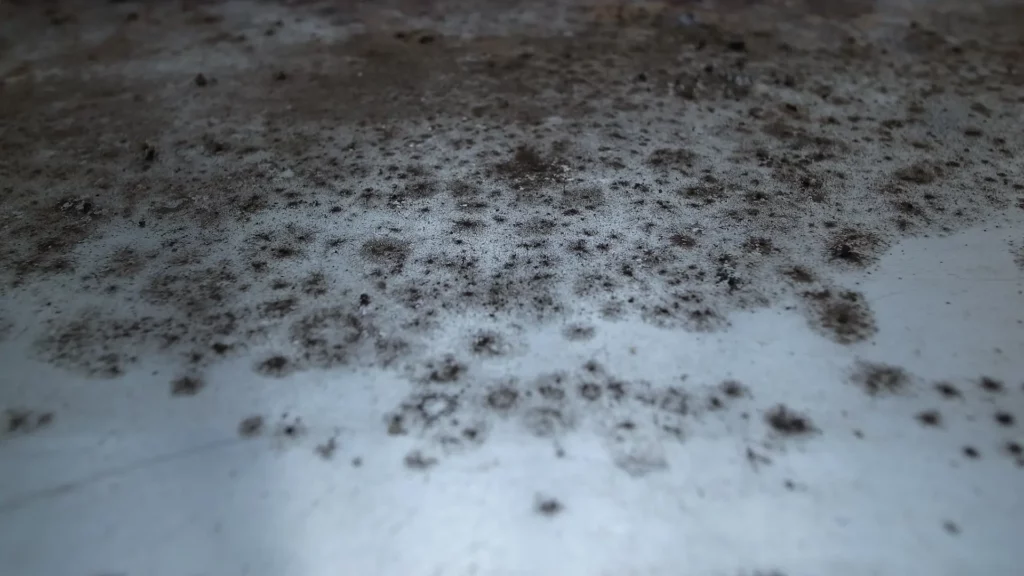

Mold in a Philadelphia rental property can create a complicated situation for landlords, property managers, and tenants. While Philadelphia does not have a standalone municipal mold-remediation law that requires landlords to remove every instance of mold, landlords do have broader responsibilities to maintain rental properties in a safe, sanitary, and habitable condition.
In many cases, the important question is not simply whether mold is present. The more important question is why the mold developed and whether the landlord has properly addressed the underlying moisture or building problem.
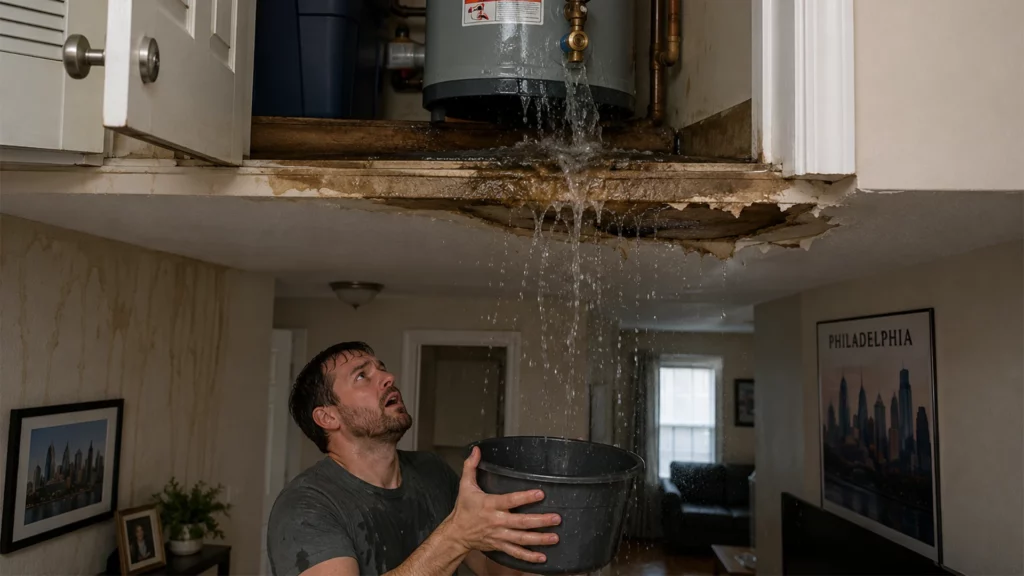
A leaking roof, broken plumbing line, foundation seepage, damaged window, or unresolved water intrusion can create conditions that allow mold to grow. When a landlord receives notice of these problems, Philadelphia’s property-maintenance and landlord-tenant requirements may impose obligations to make appropriate repairs.
This guide explains Philadelphia landlord responsibilities regarding mold in 2026, including maintenance obligations, water leaks, tenant complaints, mold remediation, documentation, inspections, and when professional restoration may be appropriate.
Does Philadelphia Have a Specific Mold Law for Landlords?
Philadelphia does not currently have a standalone law establishing a specific allowable amount of mold in a rental property or requiring landlords to perform mold testing whenever a tenant reports mold.
The Philadelphia Department of Public Health states that the City does not have regulations specifically governing mold and does not conduct mold inspections. Instead, the City directs residents to address the underlying conditions that can create excess water and promote mold growth, such as leaking roofs, plumbing problems, cracked walls, and missing windows.
That does not mean landlords can ignore mold-related complaints.
Philadelphia’s Property Maintenance Code establishes minimum requirements for safe and sanitary maintenance of existing properties and assigns maintenance responsibilities to owners, operators, and occupants.
In other words, a landlord’s responsibility may arise from the condition causing the mold, rather than from a standalone “mold law.”
What Are Philadelphia Landlords Required to Maintain?
Philadelphia’s Property Maintenance Code states that the owner is responsible for maintaining structures and exterior property in compliance with applicable requirements, except where the code provides otherwise. Occupants are responsible for the portions of the property they occupy and control.
The code covers conditions involving:
- Safe and sanitary maintenance
- Ventilation
- Protection from the elements
- Plumbing
- Structural components
- Roofs
- Walls
- Windows
- Heating
- Sanitation
- Other building systems and conditions
This distinction is important when determining responsibility for mold.
For example, a tenant may be expected to keep a rental unit reasonably clean and use the property appropriately. However, a landlord generally cannot rely on ordinary housekeeping responsibilities to avoid repairing a leaking roof or broken plumbing line that is allowing water into the property.
What If a Tenant Reports Mold?
When a tenant reports mold, the landlord should take the complaint seriously and investigate the underlying condition.
A practical response should include determining:
- Where the mold is located
- Whether there is an active water leak
- Whether there is evidence of previous water damage
- Whether moisture is coming from plumbing, roofing, windows, foundations, or another source
- Whether building materials have been affected
- Whether the problem is limited to a surface or extends into walls, ceilings, floors, or other materials
A landlord should not assume that every mold complaint is simply a cleaning issue.
If a tenant reports mold around a ceiling stain, for example, the landlord should investigate whether a roof or plumbing leak is responsible. If mold appears beneath a kitchen sink, the plumbing connections should be inspected.
Addressing the underlying moisture problem is often the most important part of preventing recurring mold.
Does a Landlord Have to Fix the Water Leak Causing Mold?
A landlord may be responsible for repairing leaks and other building conditions that fall within the owner’s maintenance responsibilities.
Examples can include:
- Leaking roofs
- Broken plumbing
- Damaged supply lines
- Leaking toilets
- Water entering through exterior walls
- Damaged windows
- Foundation water intrusion
- Failed drainage systems
- Water damage caused by building systems
Philadelphia’s Property Maintenance Code requires exterior structures to be maintained in good repair and weather-resistant and watertight where applicable.
If a landlord knows that water is entering a rental property and fails to address the source, simply cleaning visible mold may not adequately resolve the problem.
Does a Landlord Have to Remove Mold?
There is no simple rule saying that a Philadelphia landlord must hire a mold-remediation company every time mold is discovered.
The appropriate response depends on the size, location, cause, and extent of the mold problem.
For example, a small amount of surface mold on a non-porous bathroom surface may be very different from extensive mold growth inside drywall after a plumbing failure.
Professional mold remediation may be appropriate when:
- Mold is extensive
- Mold is recurring
- Mold is inside drywall
- Insulation is affected
- Flooring has sustained water damage
- Mold is behind cabinets or walls
- There has been significant flooding
- Sewage or contaminated water is involved
- The source of moisture cannot be identified
- HVAC equipment may be contaminated
Landlords should evaluate the actual condition rather than applying the same response to every mold complaint.
Why Painting Over Mold Is Usually Not Enough
One common mistake is treating visible mold as a cosmetic problem.
Painting over a moldy wall without correcting the moisture source may temporarily hide discoloration while leaving the underlying problem unchanged.
For example, if a tenant reports mold on a bedroom ceiling and the landlord simply paints the ceiling without investigating a roof or plumbing leak, the mold may return.
A proper response should focus on:
Moisture source → water damage → affected materials → cleaning/remediation → prevention
The EPA similarly emphasizes moisture control when dealing with mold. Correcting water problems and drying wet materials are key components of preventing recurring mold growth.
What Should a Landlord Do After a Plumbing Leak?
A plumbing leak should be addressed promptly.
The landlord should determine:
- Where the leak originated
- Whether the leak is still active
- How long the area may have been wet
- Which materials were affected
- Whether moisture entered walls or floors
- Whether mold has developed
- Whether damaged materials can be dried or need removal
For example, a burst supply line beneath a bathroom sink may initially appear to be a minor plumbing repair. However, water can travel underneath flooring, into cabinets, and inside wall cavities.
Drying only the visible surface may not be sufficient if moisture has migrated into concealed materials.
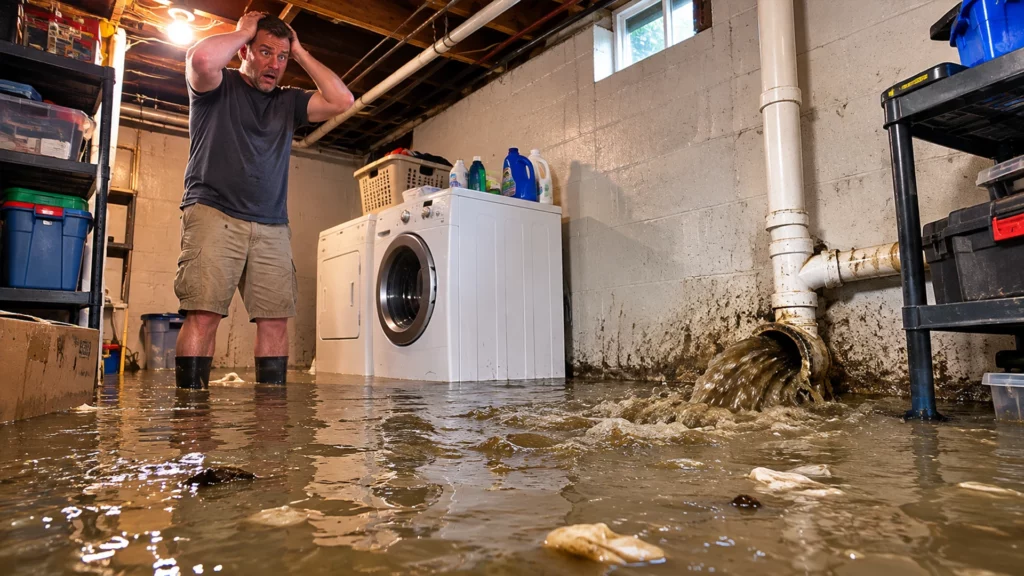
What About Mold After Basement Flooding?
Philadelphia rental properties with basements can be particularly vulnerable to moisture problems.
Basement mold may develop after:
- Heavy rainfall
- Foundation seepage
- Plumbing failures
- Sewer backups
- Sump pump failures
- Appliance leaks
- Groundwater intrusion
If a basement floods, the landlord should address the source of the water and determine whether building materials have been affected.
Carpet, drywall, insulation, wood, and other porous materials can retain moisture after flooding. Depending on the circumstances, these materials may require professional drying, cleaning, or removal.
Water involving sewage or other contamination requires additional precautions and should generally be handled by professionals experienced with contaminated-water restoration.
What About Philadelphia Row Homes and Older Rental Properties?
Philadelphia has a large number of older rental properties, including brick row homes, historic townhouses, twins, duplexes, and multi-family buildings.
Older properties may have additional moisture-related challenges, such as:
- Aging plumbing
- Older roofs
- Deteriorated masonry
- Foundation seepage
- Older windows
- Limited ventilation
- Previous water damage
- Finished basements
- Older building materials
Landlords of older properties should pay particular attention to recurring moisture complaints.
A tenant reporting mold around a window, basement wall, bathroom ceiling, or kitchen cabinet may be identifying a larger building-maintenance problem rather than simply requesting cosmetic cleaning.
What Is a Philadelphia Landlord’s Responsibility for Ventilation?
Ventilation can be important in preventing moisture buildup.
Bathrooms and kitchens generate significant amounts of moisture. If exhaust fans do not function properly or other ventilation problems exist, condensation can contribute to damp surfaces and mold growth.
Philadelphia’s Property Maintenance Code includes requirements involving ventilation and safe and sanitary maintenance.
Landlords should investigate ventilation complaints when tenants report persistent condensation, damp surfaces, or recurring mold.
However, not every mold problem is caused by inadequate ventilation. Plumbing leaks, roof leaks, and water intrusion should also be considered.
Does a Landlord Need a Rental License?
Philadelphia generally requires landlords to obtain a Rental License to rent dwelling, rooming, or sleeping units.
The City also requires owners to meet additional requirements associated with operating rental properties.
Rental licensing is relevant to mold problems because it is part of Philadelphia’s broader system for maintaining rental housing and enforcing property standards.
Landlords should make sure their rental license remains current and that the property does not have unresolved violations that could affect compliance.
What Is the Certificate of Rental Suitability?
Philadelphia requires property owners to provide tenants with a Certificate of Rental Suitability under applicable circumstances.
The City explains that the certificate confirms, among other things, that the property is safe and habitable, has required fire-protection systems, and that the owner will maintain the property throughout the tenancy.
The Philadelphia Code similarly requires the owner to acknowledge the obligation to provide a fit and habitable property and maintain the property in a fit and habitable condition.
Landlords should therefore view the certificate as an ongoing maintenance responsibility rather than simply paperwork completed when a tenant moves in.
What Changes for Philadelphia Landlords in November 2026?
There is an important 2026 development landlords should be aware of.
Philadelphia Bill No. 250330-AA added language to the City’s Safe and Healthy Homes provisions addressing a tenant’s right to habitability. The provision states that tenants have a right to safe and sanitary living conditions and identifies failing to perform or complete repairs and maintenance in a reasonably timely manner in a way that minimizes exposure to mold, lead paint and dust, asbestos, or other potentially harmful building materials as prohibited conduct.
The new provision is scheduled to become effective November 1, 2026.
The ordinance defines a reasonably timely response based on factors including the nature of the repair, its emergency status, and its impact or potential impact on tenants’ health, safety, and well-being.
For landlords, this makes prompt response to serious moisture and mold-related maintenance complaints particularly important.
What Does “Reasonably Timely” Mean?
There is not necessarily one universal number of days that applies to every mold complaint.
The appropriate response time can depend on the circumstances.
For example:
Emergency plumbing leak: A landlord should respond much more quickly when an active pipe is flooding an apartment.
Small surface mold complaint: A landlord may have more time to investigate and determine the appropriate response.
Mold following major water damage: The urgency may be higher because wet materials can continue deteriorating and mold can develop.
Philadelphia’s Safe and Healthy Homes provision specifically states that the reasonable time for repairs should take into account the emergency nature of the repair and its impact or potential impact on tenants’ health, safety, and well-being.
Should Landlords Test for Mold?
Philadelphia does not have a general requirement that landlords perform mold testing whenever a tenant reports mold.
The City does not conduct mold inspections through the Department of Public Health. Instead, it directs residents toward addressing the underlying moisture and structural problems.
Mold testing can sometimes be useful, but testing is not necessarily the first or most important step.
If there is an obvious active plumbing leak causing visible mold, for example, repairing the leak and properly addressing the affected materials may be more important than identifying the exact species of mold.
Landlords should consider the circumstances and seek appropriate professional advice when the extent or source of contamination is unclear.
Should Landlords Hire a Professional Mold Remediation Company?
Professional remediation can be appropriate for larger or complicated mold problems.
A restoration professional can help evaluate:
- Moisture levels
- Water-damaged materials
- Hidden moisture
- Affected drywall
- Insulation
- Flooring
- Cabinets
- Structural materials
- Potential contamination
Professional remediation may be particularly appropriate following significant water damage or when mold has penetrated porous building materials.
For smaller surface problems, the appropriate response may be different.
Landlords should consider the size and location of the contamination, the material involved, the source of moisture, and applicable safety requirements.
What Should Landlords Document?
Good documentation can protect both landlords and tenants.
Landlords should maintain records of:
- Tenant maintenance complaints
- Dates complaints were received
- Photographs of affected areas
- Plumbing or roof inspections
- Contractor invoices
- Repair dates
- Water-damage assessments
- Mold-remediation reports
- Moisture readings, when applicable
- Communications with tenants
- Follow-up inspections
For example, if a tenant reports mold after a plumbing leak, the landlord should document when the leak was repaired, what areas were affected, what drying or remediation was performed, and whether the area was inspected afterward.
A clear record can demonstrate that the landlord responded to the complaint and addressed the underlying problem.
What If the Tenant Caused the Moisture Problem?
Landlord responsibility is not unlimited.
Philadelphia’s Property Maintenance Code also assigns occupants responsibility for maintaining the portions of a dwelling that they occupy and control in a clean, sanitary, and safe condition.
The cause of the moisture problem therefore matters.
For example, responsibility may differ between:
- Mold caused by a leaking roof
- Mold caused by a burst plumbing pipe
- Mold caused by a tenant’s repeated failure to report a leak
- Condensation caused by normal household activities
- Damage caused by a tenant’s actions
Landlords should investigate the actual cause rather than automatically assuming either the tenant or landlord is responsible.
What If a Tenant Refuses Access for Repairs?
Landlords need reasonable access to rental properties when necessary to perform repairs and maintenance, subject to applicable law and the lease.
If a tenant reports mold but refuses reasonable access for an inspection or repair, the landlord should document the requests and follow applicable notice and access requirements.
Landlords should avoid entering a property improperly or using unauthorized self-help measures.
If access becomes a dispute, legal advice may be appropriate.
What If a Tenant Reports Mold but the Landlord Believes It Is the Tenant’s Fault?
The landlord should document the basis for that conclusion.
Rather than simply responding that the tenant caused the mold, investigate potential sources of moisture.
For example, recurring mold around a bathroom ceiling could result from:
- Poor ventilation
- A plumbing leak
- A roof leak
- Water intrusion from an adjacent unit
- Condensation
- A combination of factors
An inspection can help establish what is actually causing the problem.
What Happens If Philadelphia L&I Receives a Complaint?
Philadelphia’s Department of Licenses and Inspections responds to complaints involving many code violations and helps landlords and tenants understand their responsibilities.
If L&I receives a complaint involving mold, the inspection may focus on the underlying property conditions rather than simply determining whether mold is present.
Depending on the circumstances, inspectors may identify violations involving:
- Water intrusion
- Plumbing
- Roofing
- Structural conditions
- Ventilation
- Sanitation
- Other property-maintenance requirements
Landlords should take notices of violation seriously and address them within the timeframe specified by the City.
Can a Property Be Declared Unfit for Occupancy?
In serious cases, a property can be determined to be unfit for human occupancy under the Philadelphia Property Maintenance Code.
The code allows a dwelling to be considered unfit when it is unsafe, unlawful, insanitary, lacks required ventilation or other essential facilities, or otherwise presents a hazard to occupants or the public.
This is different from saying that every property with visible mold is automatically uninhabitable.
The severity and overall condition of the property matter.
Landlord Mold Prevention Checklist
Philadelphia landlords can reduce the risk of mold-related disputes by taking a proactive approach to moisture management.
Inspect plumbing regularly
Check supply lines, drains, water heaters, washing machines, and other plumbing connections for leaks.
Maintain roofs and exterior walls
Repair roof damage, deteriorated masonry, failed seals, and other conditions that can allow water into the property.
Address tenant complaints promptly
Create a system for receiving, documenting, and responding to maintenance complaints.
Inspect after significant water damage
Do not assume that drying visible water is enough. Check concealed areas when appropriate.
Maintain ventilation
Make sure bathroom and kitchen exhaust systems operate properly and that moisture is being adequately removed.
Monitor basements
Philadelphia basements can be vulnerable to seepage, condensation, and flooding. Inspect for damp walls, odors, standing water, and recurring moisture.
Use qualified contractors
Significant water damage or mold contamination may require contractors with appropriate experience, equipment, and qualifications.
Keep detailed records
Document complaints, inspections, repairs, contractors, invoices, and follow-up inspections.
Philadelphia Landlord Mold FAQs
Is a Philadelphia landlord legally responsible for all mold?
No. Philadelphia does not have a standalone rule making landlords automatically responsible for every instance of mold. Responsibility depends heavily on the cause of the moisture and the condition of the rental property.
Does Philadelphia require landlords to remove mold?
There is no general Philadelphia requirement stating that a landlord must hire a mold-remediation company whenever mold is discovered. However, landlords have broader obligations to maintain rental properties in safe and sanitary condition and address applicable building and maintenance problems.
Does a landlord have to fix a leak that is causing mold?
A landlord may be responsible for repairing leaks and other property conditions that fall within the owner’s maintenance responsibilities. Roof leaks, plumbing failures, and water intrusion can create property-maintenance issues that need to be addressed.
Does Philadelphia require mold testing?
No general Philadelphia requirement mandates mold testing whenever mold is reported. The City does not conduct mold inspections through its Department of Public Health.
How quickly should a Philadelphia landlord respond to a mold complaint?
The appropriate response depends on the circumstances. An active plumbing leak or significant water intrusion requires a more urgent response than a minor surface issue. Philadelphia’s Safe and Healthy Homes provisions effective November 1, 2026 specifically consider the emergency nature of repairs and their potential impact on tenant health and safety when determining what is reasonably timely.
Can a landlord simply paint over mold?
Painting over mold without correcting the underlying moisture source is generally not an appropriate solution to a continuing water problem. The landlord should investigate why the mold developed and determine whether affected materials require cleaning, drying, or removal.
What should a Philadelphia landlord do after a tenant reports mold?
The landlord should document the complaint, investigate the source of moisture, make necessary repairs, determine the extent of affected materials, and arrange appropriate cleaning or remediation when warranted.
Does a Philadelphia landlord need a Rental License?
Generally, yes. Philadelphia requires a Rental License to rent dwelling, rooming, or sleeping units, subject to applicable exceptions.
Does a landlord need a Certificate of Rental Suitability?
Philadelphia requires property owners to provide tenants with a Certificate of Rental Suitability under applicable circumstances. The certificate addresses the property’s suitability and the owner’s obligation to maintain the property in a fit and habitable condition.
Can a landlord hire a restoration company for mold?
Yes. Professional mold remediation and water-damage restoration can be appropriate when mold is extensive, hidden, recurring, or associated with significant water damage.
Professional Mold Remediation for Philadelphia Landlords
When mold develops because of a plumbing failure, roof leak, flooding event, or other moisture problem, landlords should focus on correcting the source and determining whether professional remediation is necessary.
Philly Damage Restoration provides mold removal, mold remediation, and water damage restoration services throughout Philadelphia and surrounding areas. The company provides 24/7 emergency service for water damage, flooding, leaks, and other situations that can create conditions for mold growth.
For Philadelphia landlords and property managers, responding quickly can help protect the property, reduce additional damage, and provide a documented response to a tenant’s maintenance complaint.
Whether the property is a Philadelphia row home, historic townhouse, apartment building, duplex, twin, or single-family rental, a professional assessment can help determine the appropriate next steps when water damage and mold are involved.
Final Takeaway for Philadelphia Landlords
Philadelphia landlords are not automatically responsible for every instance of mold found inside a rental property. However, landlords have important responsibilities to maintain rental properties in safe and sanitary condition and to address building conditions that can create moisture and mold problems.
The most effective approach is straightforward:
Find the moisture source → repair the underlying problem → assess affected materials → remediate when necessary → document the work.
Landlords should not ignore recurring mold, water leaks, or tenant maintenance complaints. Prompt investigation and appropriate repairs can protect tenants, preserve the property, and reduce the likelihood that a small moisture problem will become a major restoration project.