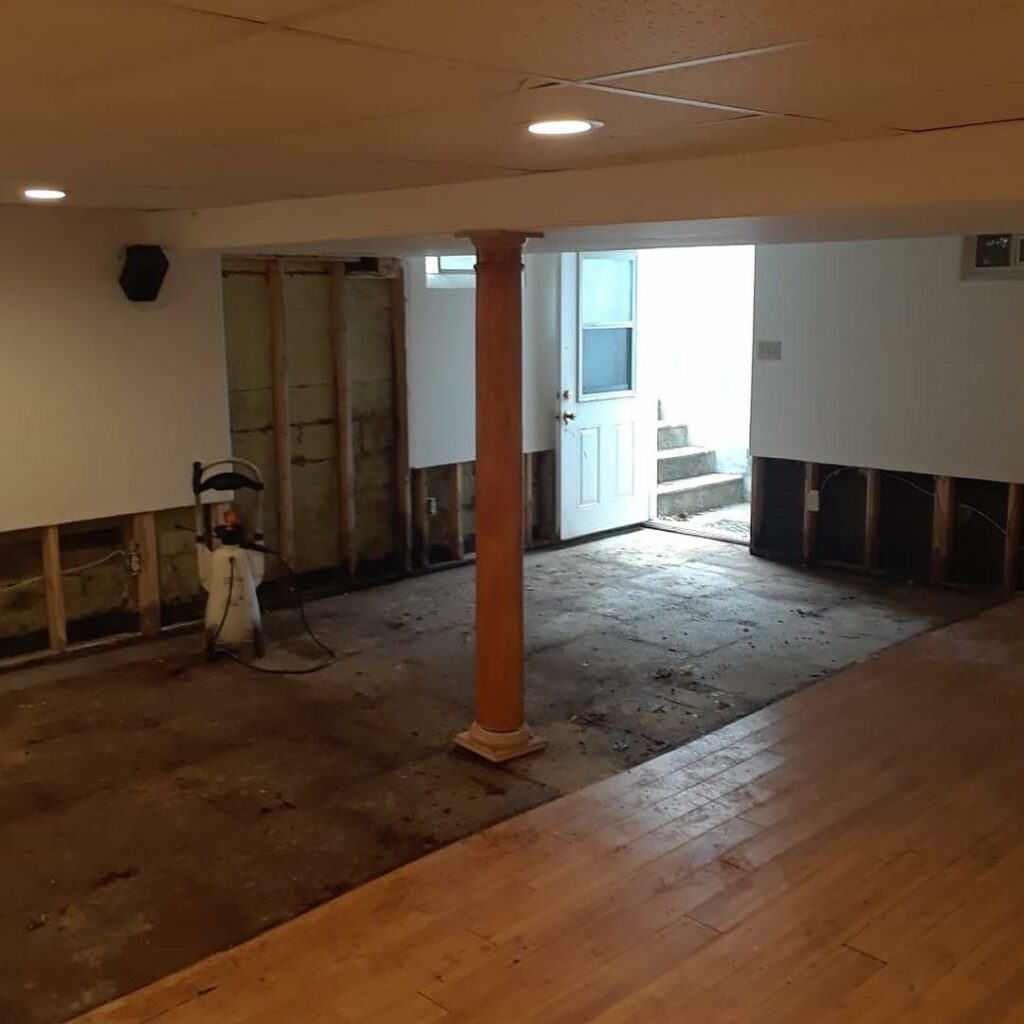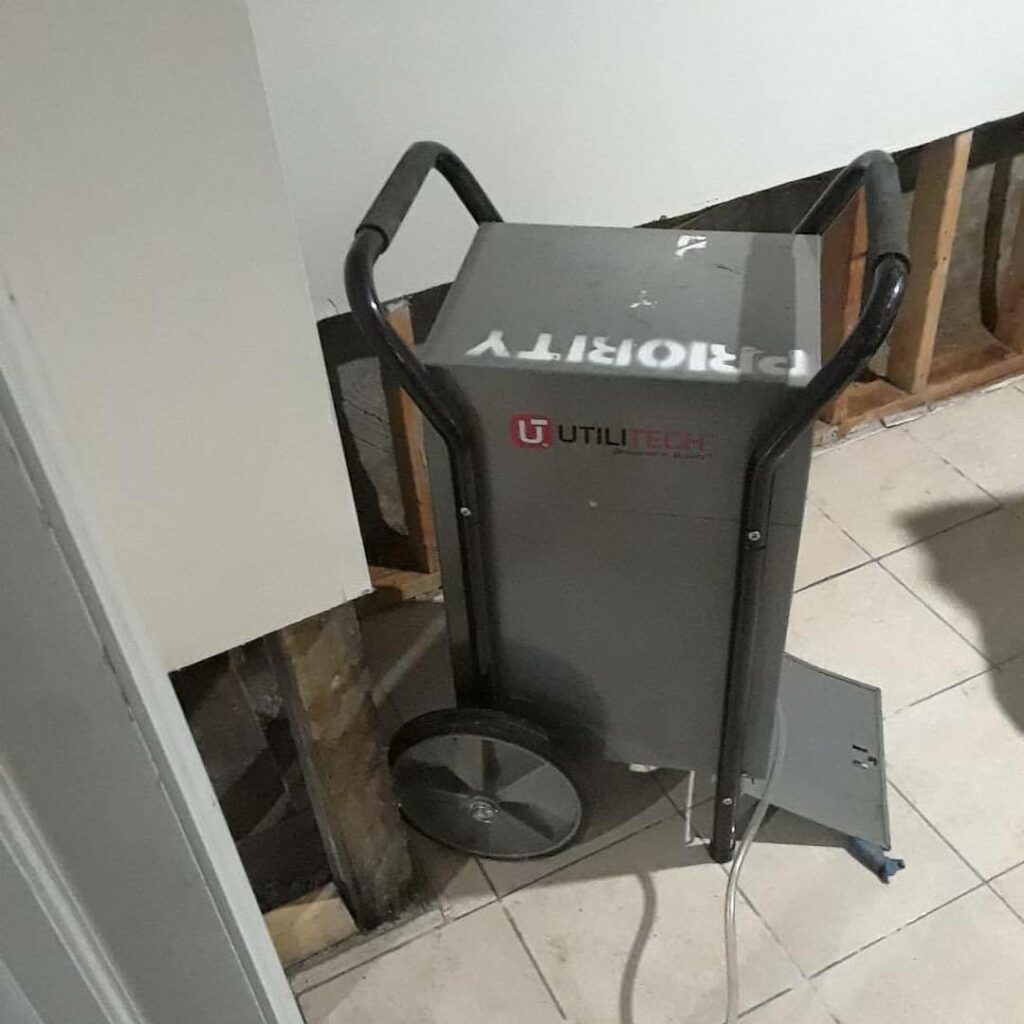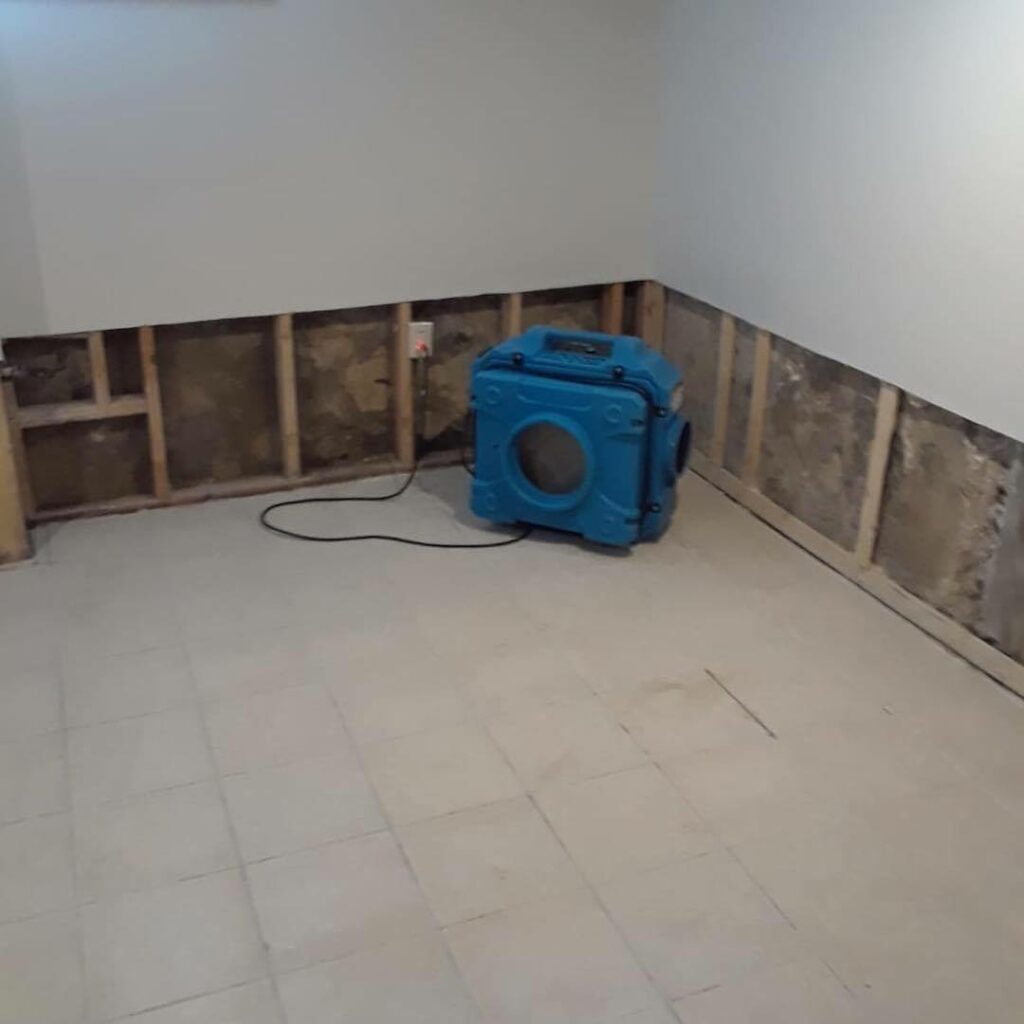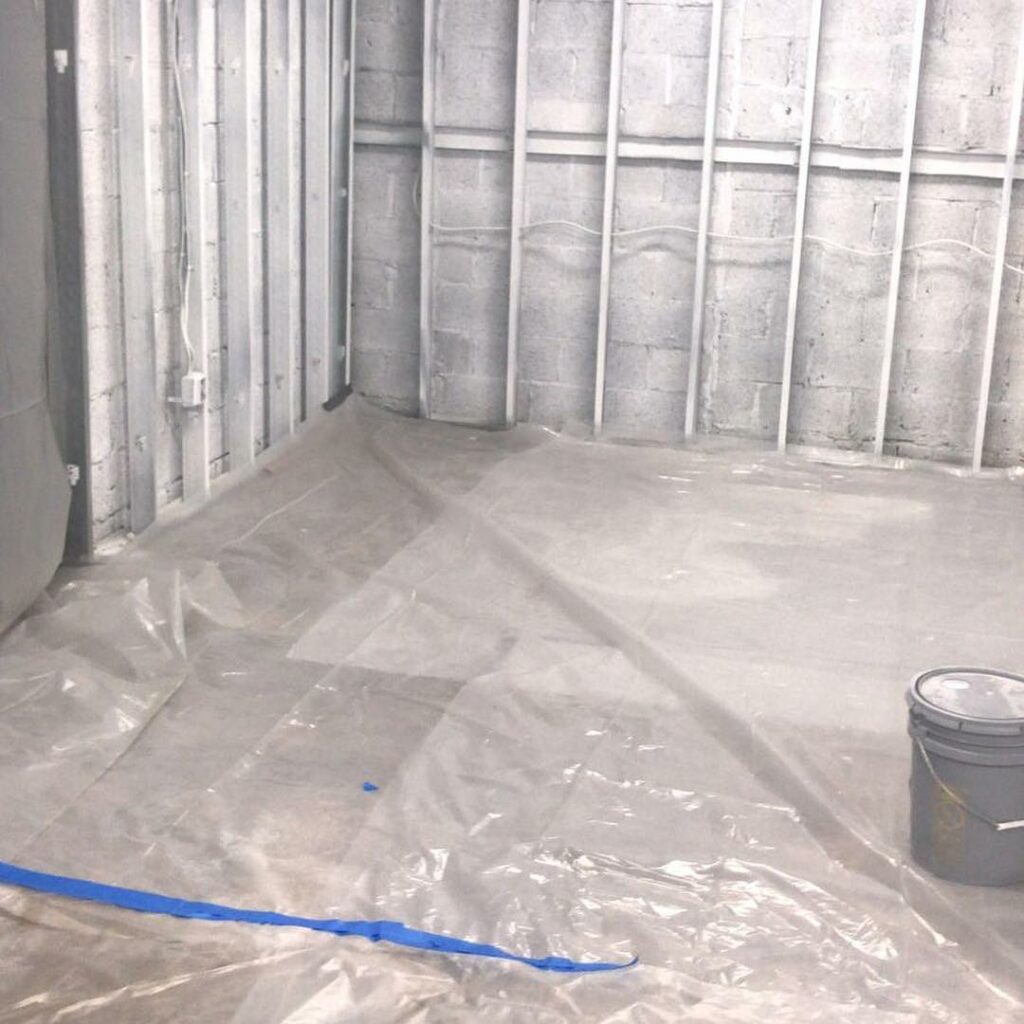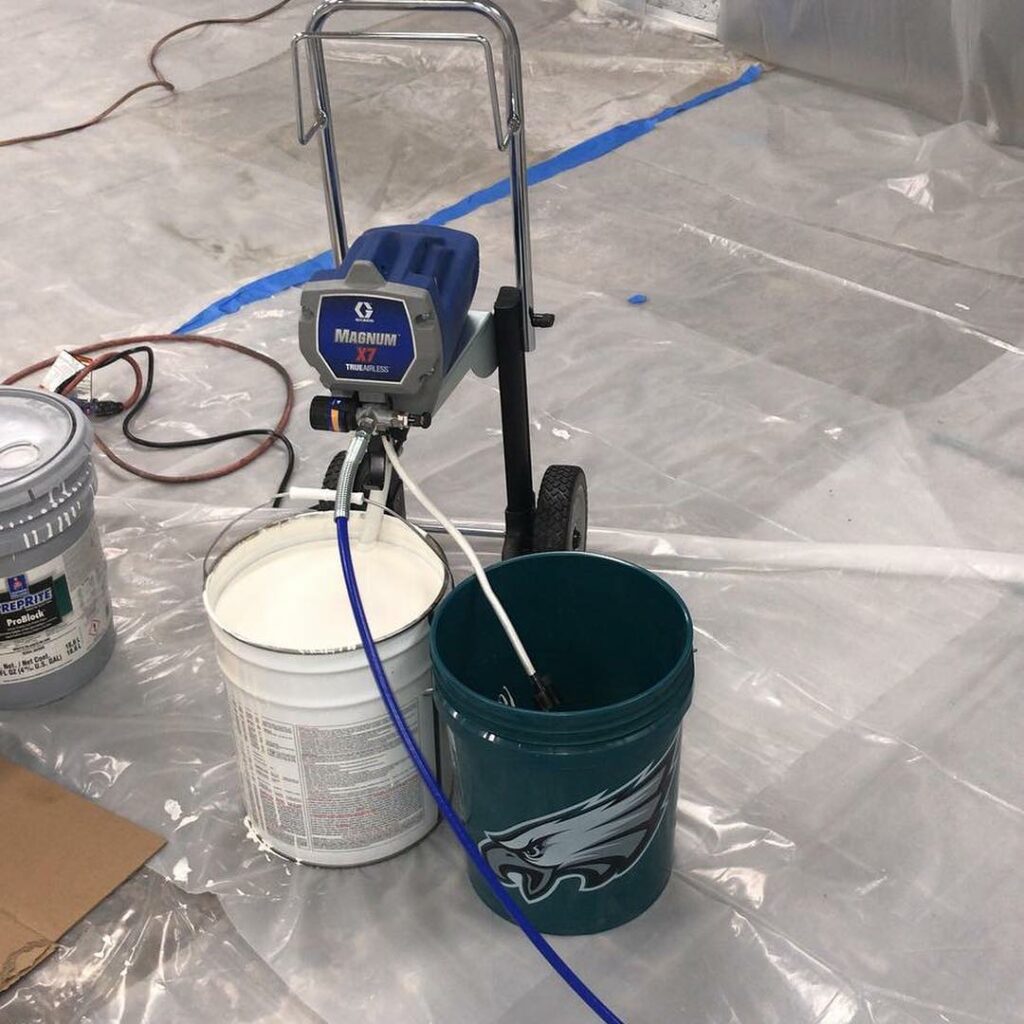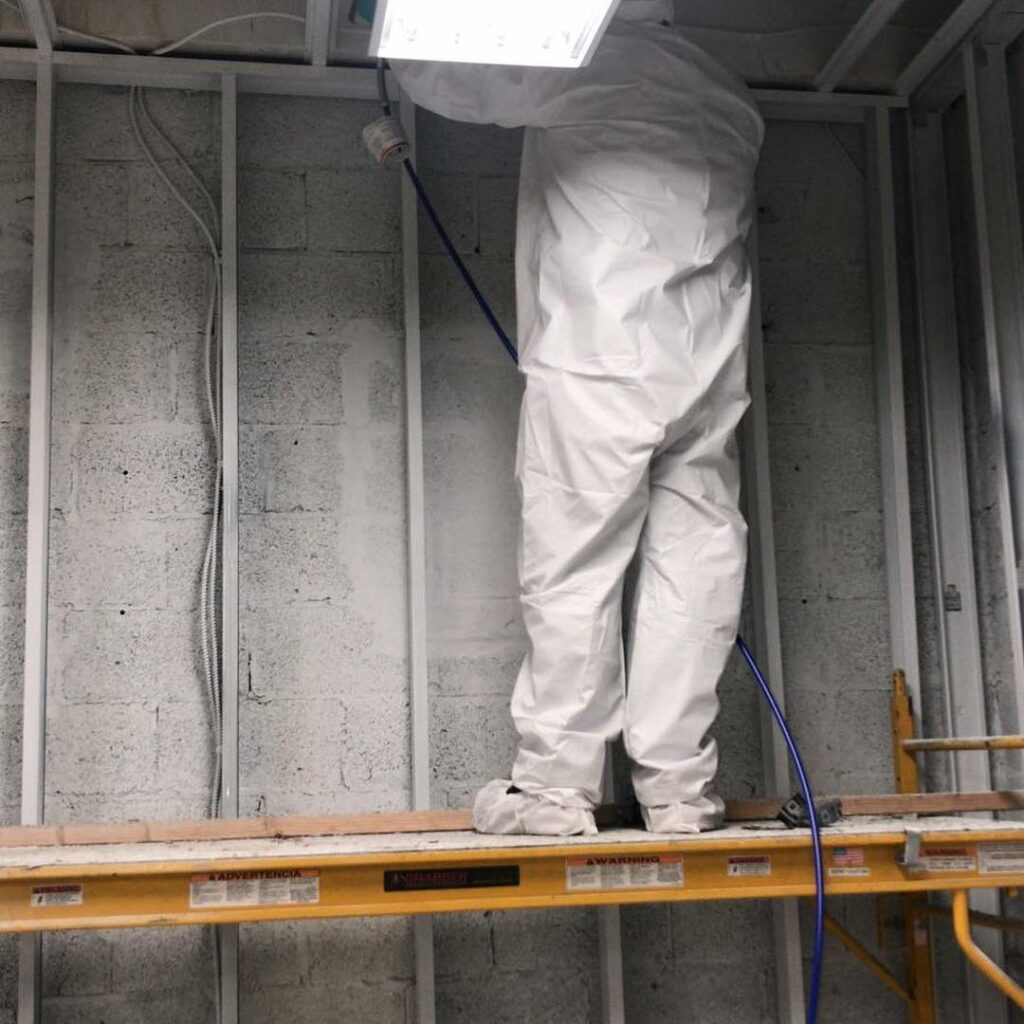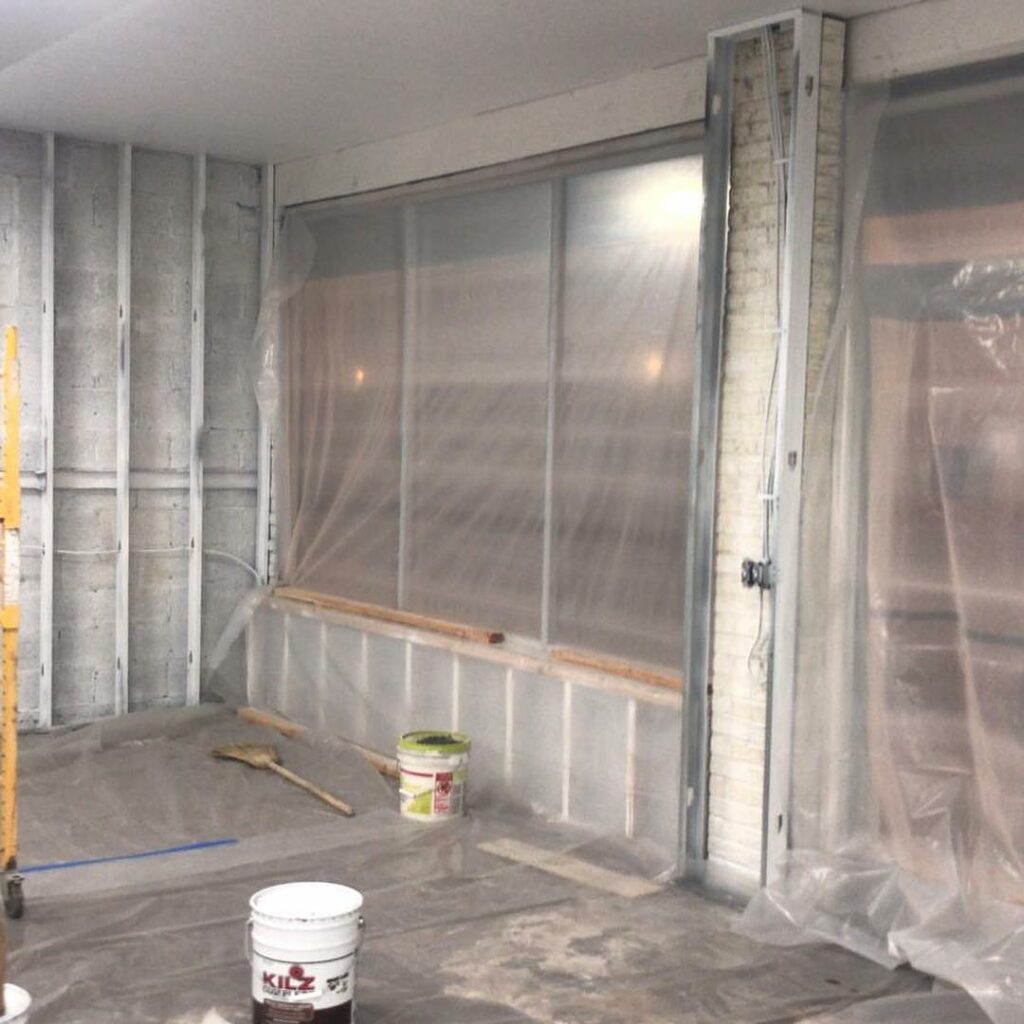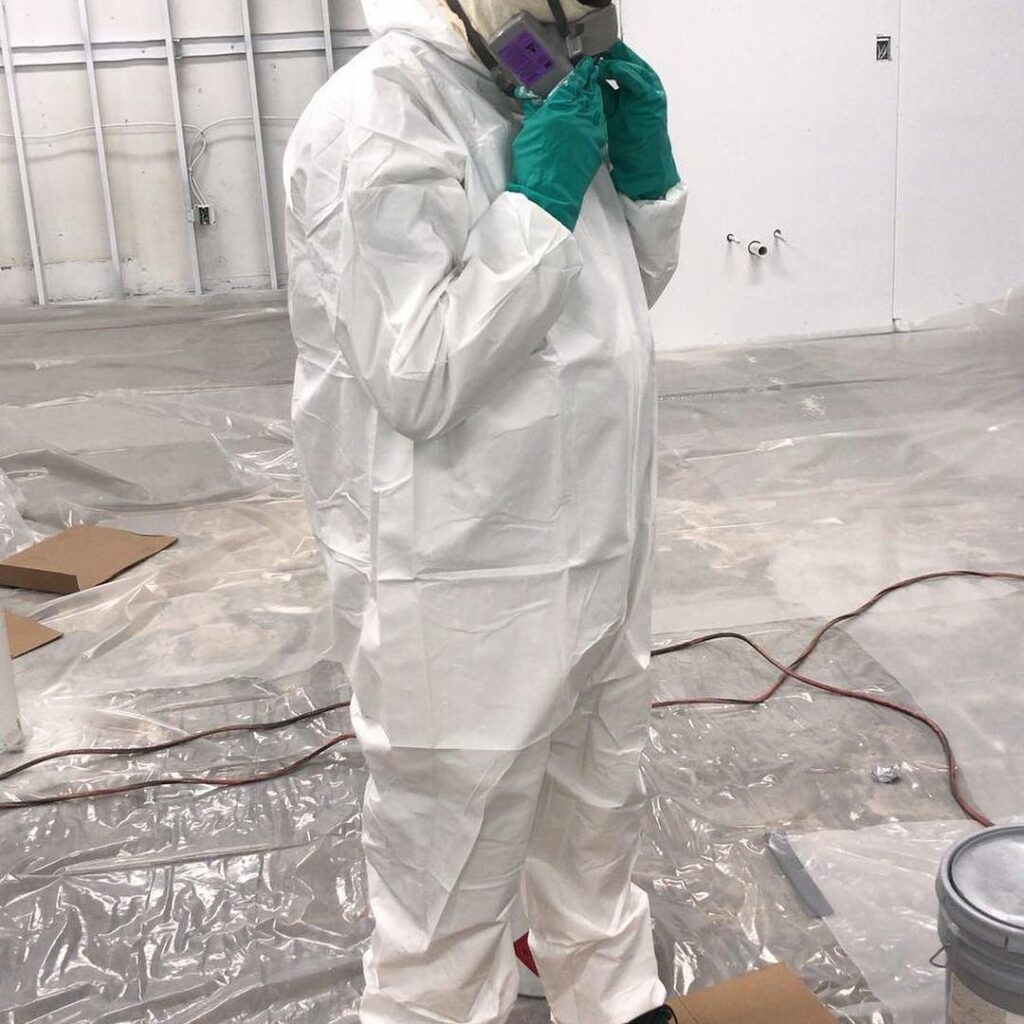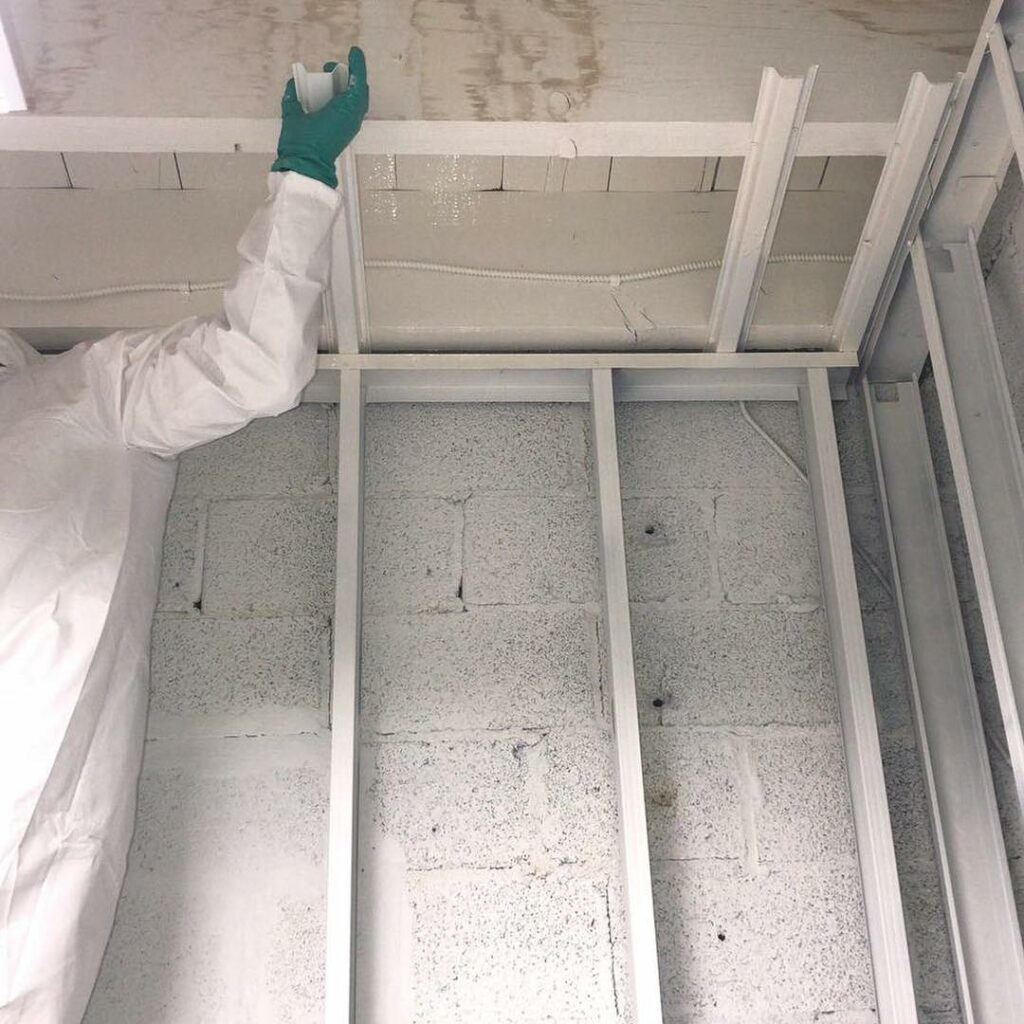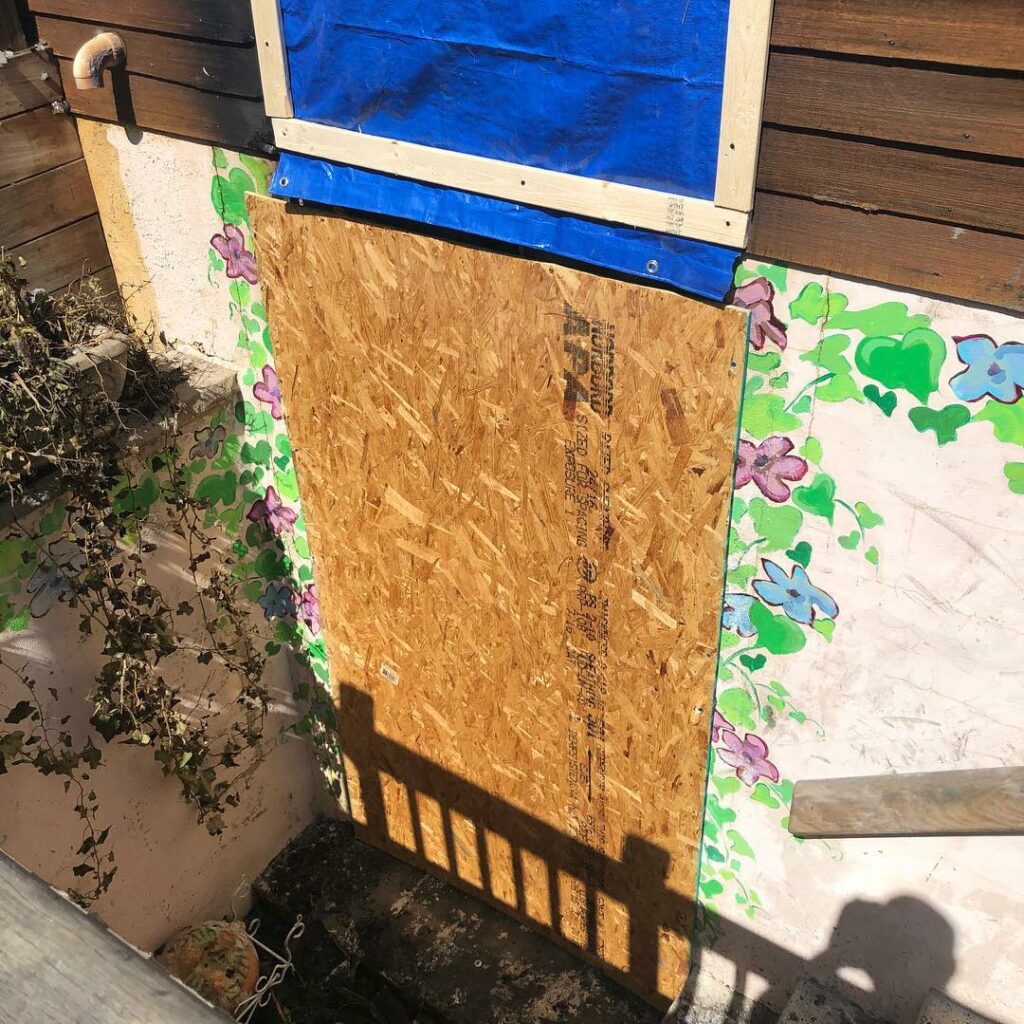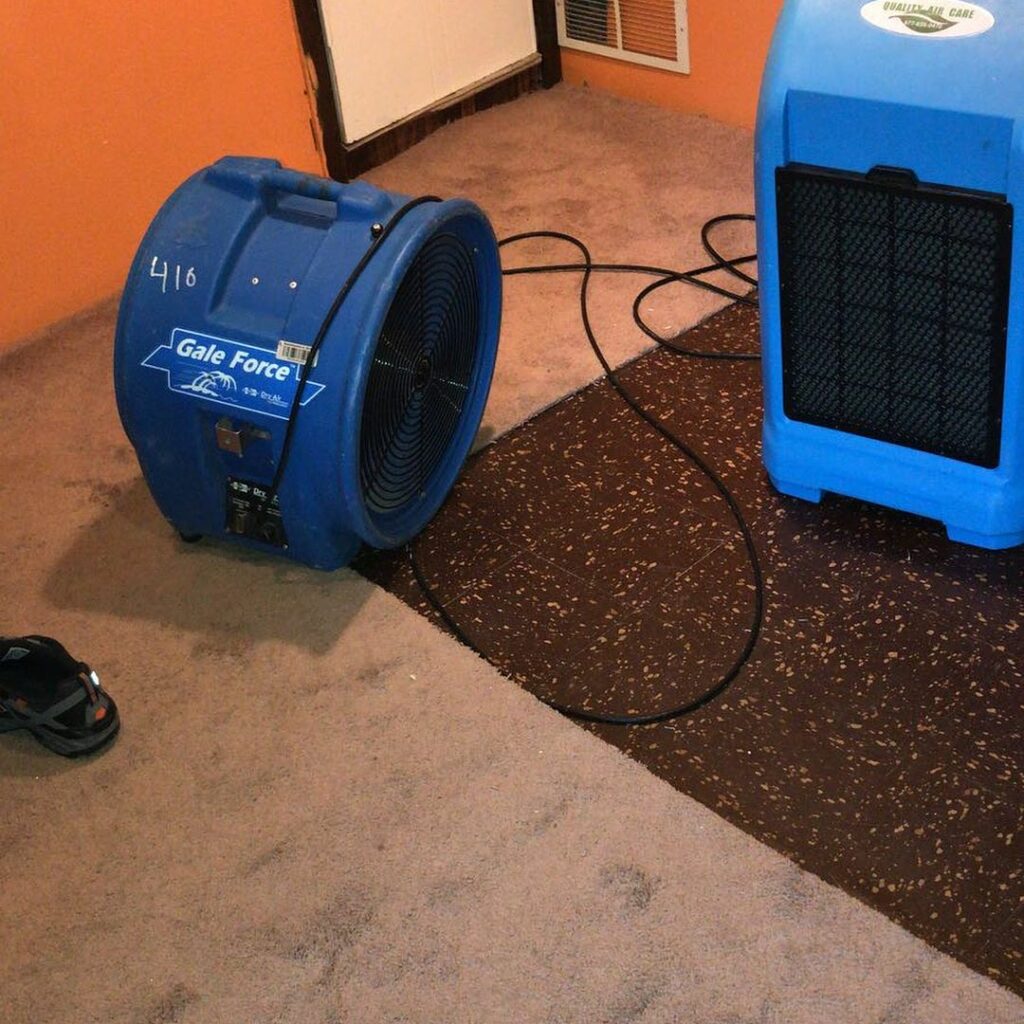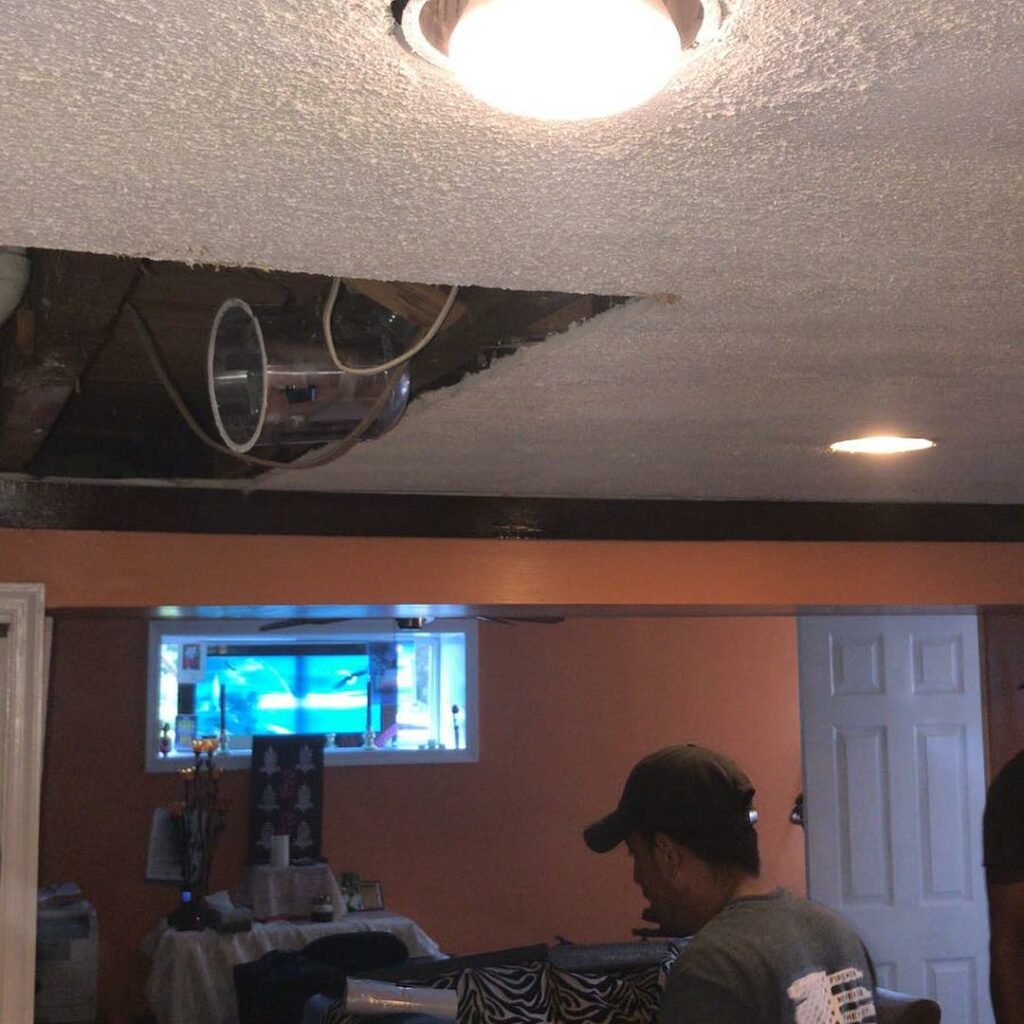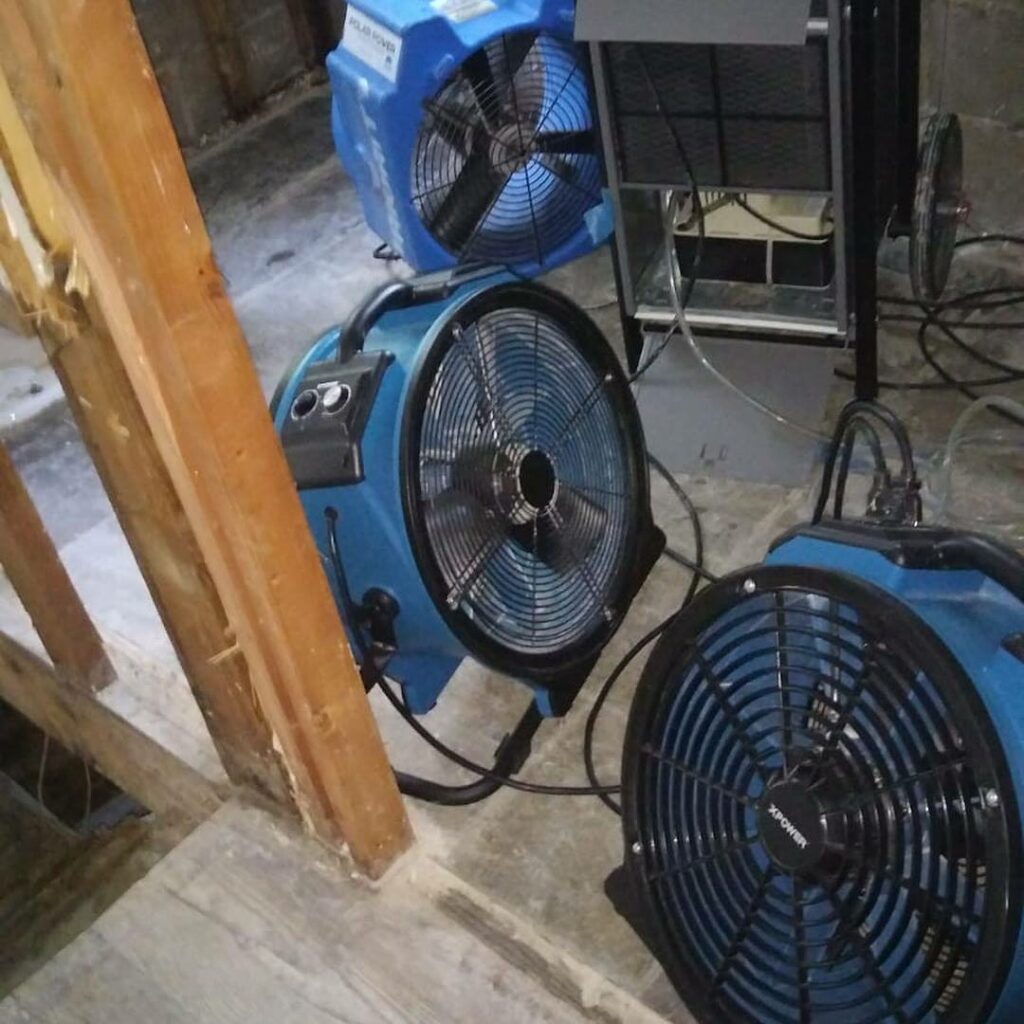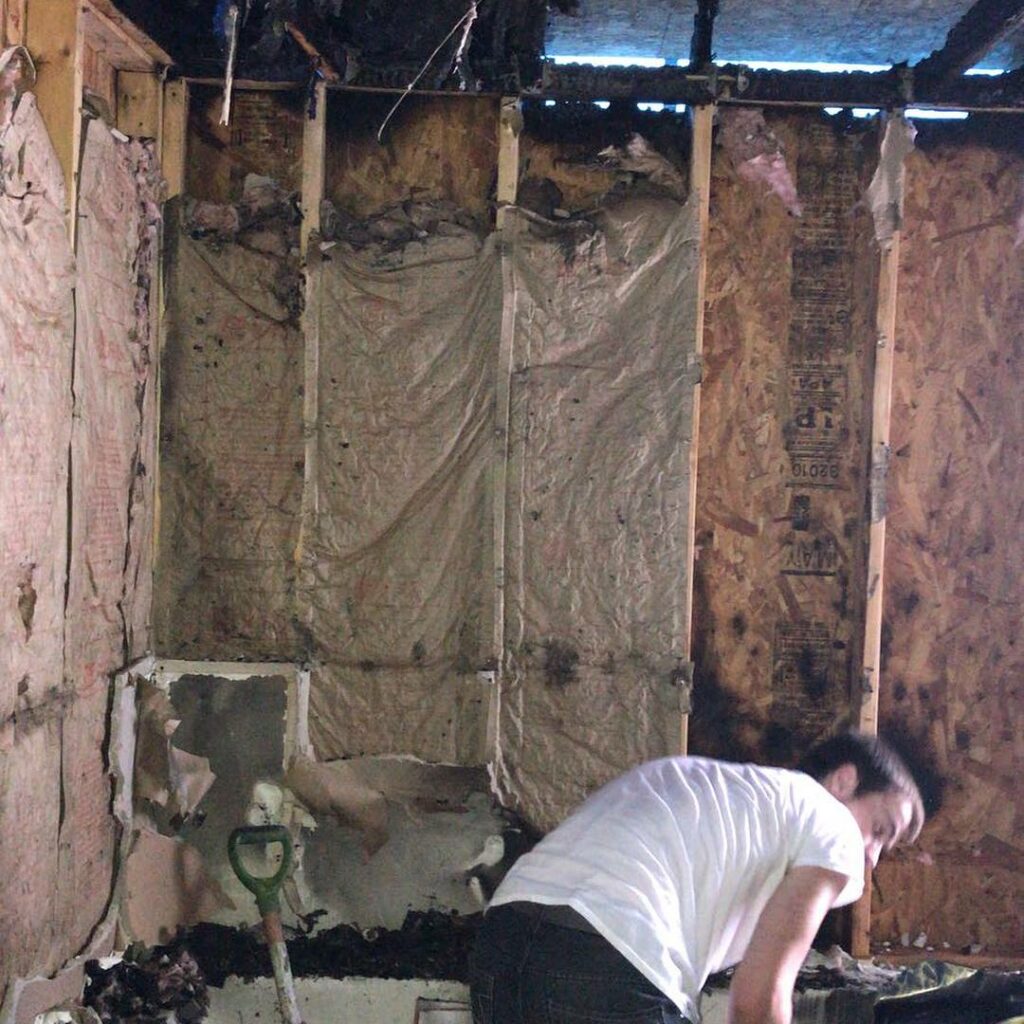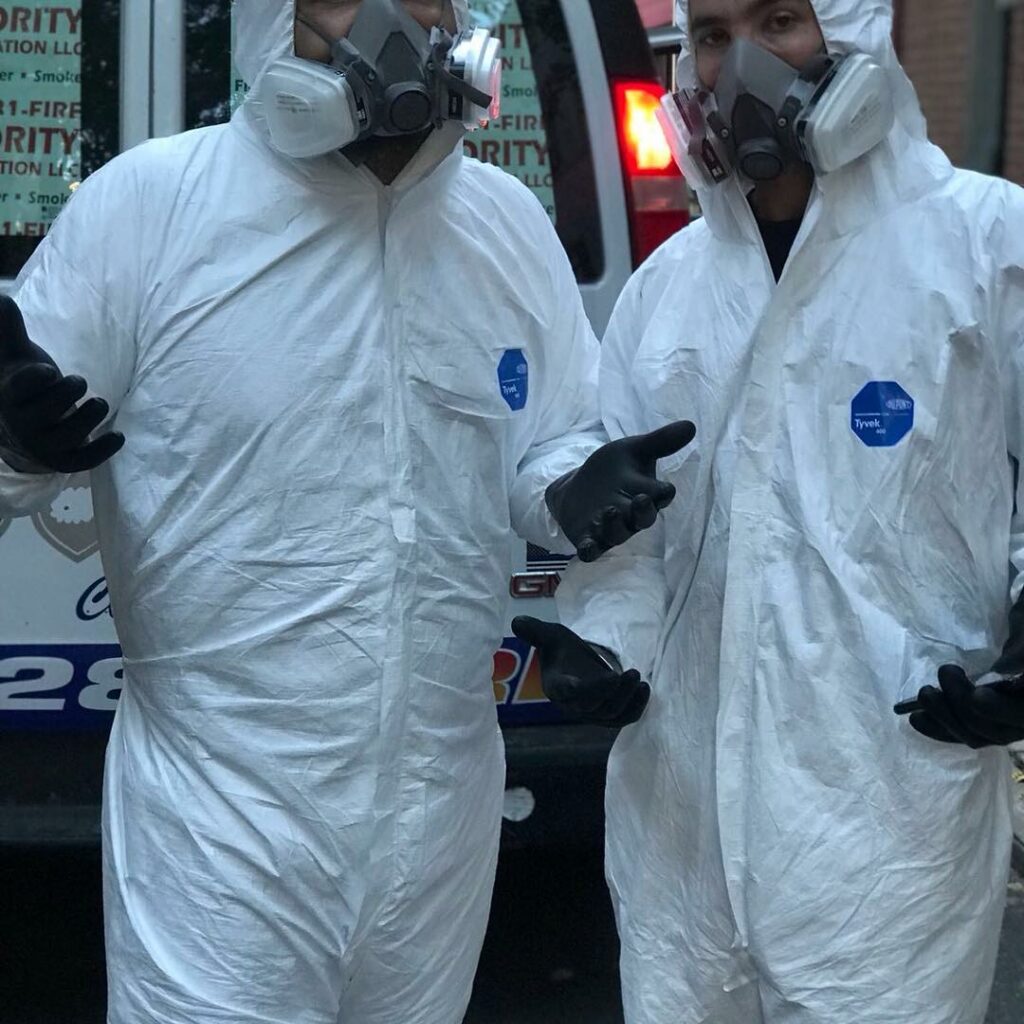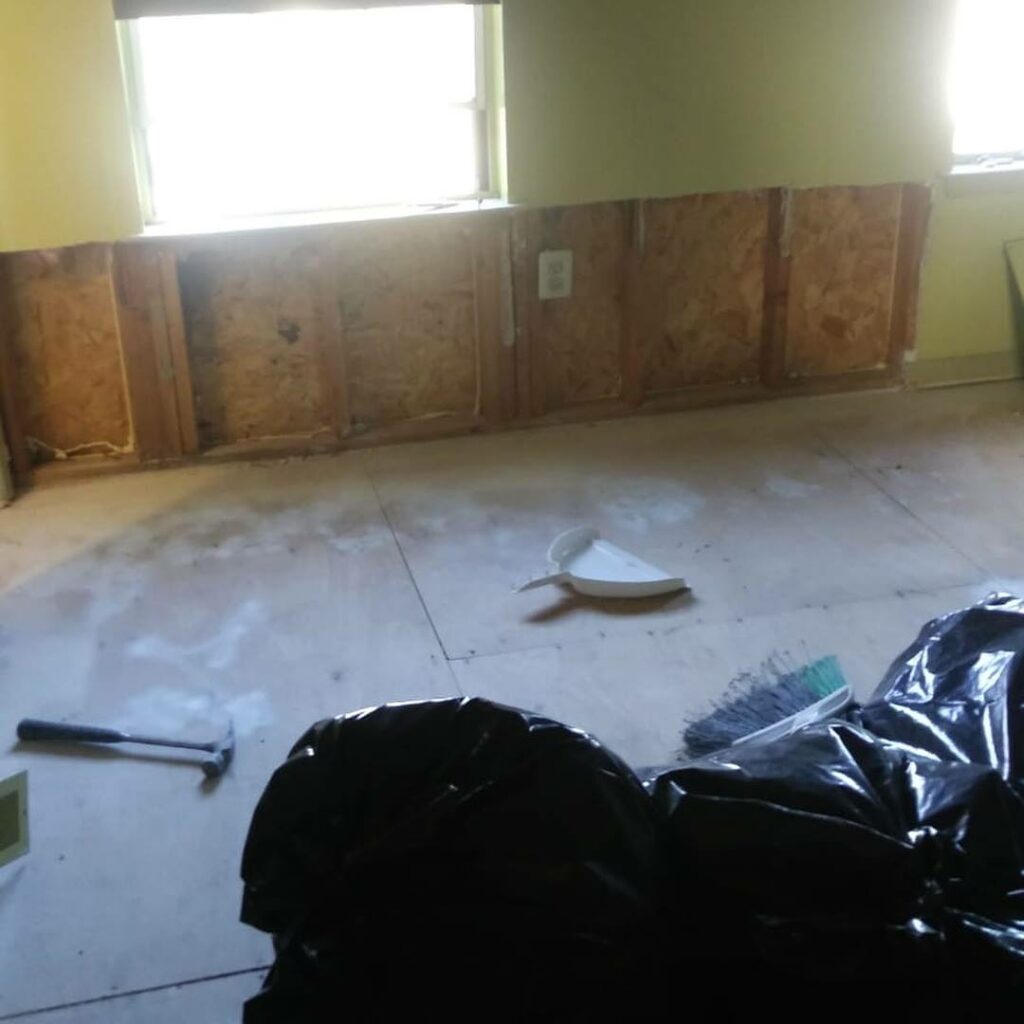
When dealing with mold, you need a reliable and local team of Philly damage restoration experts in your corner. We've restored 100s of properties, both residential and commercial, in the Philly area and we're ready to come out and help you 24/7.
We're certified, insured, and work with all insurance companies. We understand how overwhelming it can be dealing with unexpected damage so let us assist you with your claim so you can focus on getting your life back on track.

Request a Free Estimate
or call (445) 234-4123
By submitting the form, you agree to our Terms of Service and Privacy Policy.
Philadelphia Bathroom Mold Removal Company
Bathroom mold is more than an unsightly problem. When moisture remains trapped around showers, tubs, sinks, toilets, ceilings, walls, or flooring, mold can develop and continue spreading behind surfaces where it may not be immediately visible.
For Philadelphia homeowners, bathroom mold can be especially frustrating. The region has a humid climate, receives roughly 41 inches of precipitation annually, and has a large amount of older housing where aging plumbing, windows, ventilation systems, and building materials can contribute to moisture problems.
If you notice recurring mold, a musty odor, water stains, or signs of moisture damage in your bathroom, it is important to address the underlying moisture source—not simply clean the visible mold.
What Causes Mold in a Bathroom?
Mold needs moisture and an organic material to grow. Bathrooms naturally provide both.
Hot showers and baths increase humidity. If that moisture is not properly exhausted from the room, condensation can collect on walls, ceilings, windows, grout, and other surfaces. Plumbing leaks, failed caulking, damaged grout, and water leaking behind a shower wall can create even more favorable conditions.
Common causes of bathroom mold include:
- Poor bathroom ventilation
- An exhaust fan that is undersized, clogged, broken, or improperly vented
- Frequent hot showers without adequate ventilation
- Plumbing leaks beneath sinks or behind walls
- Leaking toilets or supply lines
- Damaged shower caulking
- Cracked or deteriorating grout
- Water getting behind shower tile
- Condensation around cold windows and exterior walls
- Roof or ceiling leaks above an upstairs bathroom
- Flooding or other water damage
- Wet towels, bath mats, and other materials that remain damp
The EPA identifies moisture control as the key to controlling mold. If mold is present, cleaning it without correcting the moisture problem can allow it to return.
Where Bathroom Mold Commonly Grows
Bathroom mold does not always appear in obvious places. A small patch on a wall may be the visible portion of a larger moisture problem.
Mold Around the Shower
The shower is one of the most common places to find bathroom mold. Constant exposure to water, steam, soap residue, and humidity can cause mold to develop on grout, caulk, shower doors, corners, shelves, and surrounding walls.
Mold may appear as black, green, gray, brown, or white discoloration. However, color alone cannot reliably identify a particular type of mold.
If mold repeatedly returns after cleaning, look for the underlying reason. Damaged caulk, deteriorating grout, poor ventilation, or moisture trapped behind the shower enclosure may need to be addressed.
Mold on Bathroom Ceilings
Mold on a bathroom ceiling is often associated with excess humidity and poor ventilation.
During a hot shower, warm moisture-filled air rises toward the ceiling. If the bathroom exhaust fan does not adequately remove that air, condensation can form on the ceiling. Over time, persistent dampness can contribute to mold growth and peeling or bubbling paint.
Ceiling mold can also indicate a plumbing or roof leak, particularly if it appears as a concentrated stain or patch rather than evenly distributed spotting.
Mold Around Bathroom Exhaust Fans
The area around an exhaust fan deserves special attention.
A bathroom fan is supposed to remove humid air from the room. If the fan is dirty, malfunctioning, undersized, or not properly exhausting outdoors, moisture can remain trapped in the bathroom.
In some homes, especially older properties, ventilation problems can contribute to recurring mold. If the area around the fan repeatedly becomes discolored or damp, the fan and its ductwork should be evaluated rather than simply cleaning the visible mold.
Mold on Bathroom Walls
Bathroom walls can develop surface mold when humidity remains high. This is particularly common on exterior walls or other cold surfaces where condensation can accumulate.
However, wall mold can also be a warning sign of hidden water intrusion. Peeling paint, bubbling drywall, soft wall material, discoloration, or a persistent musty smell may indicate that moisture has penetrated beneath the surface.
Mold in Bathroom Grout and Caulk
Grout and caulk frequently develop dark spots because they are exposed to water on a regular basis.
Small areas of surface mold on otherwise sound, non-porous surfaces may sometimes be cleaned. But deteriorating caulk and damaged grout can allow water to penetrate into areas that are much harder to see and dry.
If mold continues to come back in the same location, replacing the caulk or grout may not be enough. The area underneath should be evaluated for hidden moisture.
Mold Behind Bathroom Tile
One of the more serious bathroom mold problems is mold behind tile.
A failed shower pan, cracked grout, deteriorated waterproofing, or plumbing leak can allow water to migrate behind the tile assembly. The bathroom may look relatively normal while moisture accumulates inside the wall.
Warning signs can include:
- Persistent musty odors
- Loose or bulging tiles
- Cracked grout
- Discolored walls
- Peeling paint in an adjacent room
- Soft drywall
- Mold returning shortly after cleaning
- Moisture appearing on the opposite side of a bathroom wall
When mold is suspected behind a wall or shower enclosure, simply spraying the visible surface will not solve the problem.
Can Bathroom Mold Be a Health Risk?
Mold exposure can cause health problems, particularly for people who are sensitive to mold or have allergies or respiratory conditions.
The CDC notes that exposure to mold can cause symptoms such as stuffy nose, sore throat, coughing, wheezing, burning or itchy eyes, and skin irritation. People with asthma or mold allergies may experience stronger reactions.
The CDC also explains that damp buildings and mold are associated with respiratory and other health problems.
This is one reason recurring bathroom mold should not simply be treated as a cosmetic cleaning issue.
It is also important not to assume that every dark-colored patch is "toxic black mold." Mold comes in many colors and species, and visual appearance alone cannot determine the species or health significance of a particular mold growth.
If someone in the household is experiencing health symptoms that may be related to mold exposure, they should speak with a healthcare professional.
Philadelphia's Older Homes Can Have Additional Moisture Challenges
Bathroom mold can occur in any home, but Philadelphia's older housing stock can present additional challenges.
The Philadelphia Energy Authority describes the city's housing stock as aging and notes that maintaining older properties can be difficult. Older homes may have aging plumbing, deteriorated building materials, outdated ventilation, and previous repairs that were not designed to address modern moisture-management concerns.
Philadelphia's own Department of Public Health also recognizes that structural problems such as leaking roofs, cracked walls, missing windows, and plumbing issues can create excess water and promote mold growth.
That means a recurring bathroom mold problem in a Philadelphia row home, twin, apartment, or older single-family house may require more investigation than simply wiping down the affected surface.
For example, a bathroom on the second floor could have mold caused by a leaking supply line or deteriorated shower plumbing. A first-floor bathroom could have moisture coming from an upstairs bathroom. An exterior bathroom wall may develop condensation during cold Philadelphia winters. A ceiling stain could originate from plumbing or roofing above the bathroom.
Finding the moisture source is essential.
Philadelphia Mold Problems Are Also a Housing Issue
Bathroom mold is not limited to individual homeowners. It can affect Philadelphia renters and multifamily properties as well.
In March 2026, 6abc reported on a Philadelphia City Council hearing concerning the proposed Safe Healthy Homes Act. The report included testimony from a Germantown renter who described mold spreading after a water leak caused ceiling damage.
More recently, WHYY reported on a Philadelphia program involving CHOP and Rebuilding Together Philadelphia that addresses household asthma triggers including mold, dust, pests, and indoor air-quality problems. The report highlighted the challenges faced by residents living in older Philadelphia housing.
These local reports illustrate an important point: moisture and mold problems can overlap with broader issues involving building maintenance, plumbing, ventilation, and indoor air quality.
How to Prevent Bathroom Mold
The best bathroom mold prevention strategy is moisture control.
1. Use the Exhaust Fan
Turn on the bathroom exhaust fan when showering and leave it running afterward so humid air has time to leave the room.
Make sure the fan actually vents outdoors. A fan that simply moves humid air into an attic or another enclosed space can create a separate moisture problem.
2. Improve Airflow
If appropriate, leave the bathroom door or window open after showering to help moisture escape.
This can be particularly helpful in smaller bathrooms where steam accumulates quickly.
3. Dry Shower Surfaces
Use a squeegee or towel to remove excess water from shower walls and doors.
The less water that remains on surfaces, the less opportunity there is for mold to develop.
4. Repair Leaks Quickly
Do not ignore a slow drip beneath a sink or a small leak around a toilet.
A seemingly minor plumbing leak can continuously introduce moisture into cabinets, flooring, drywall, or wall cavities.
5. Maintain Caulk and Grout
Inspect shower caulk and grout periodically. Cracked, missing, or deteriorated areas can allow water to reach materials behind the finished surface.
6. Keep Towels and Bath Mats Dry
Wet towels and bath mats can contribute to the overall moisture level in a small bathroom.
Hang towels so they can dry completely, and wash bath mats regularly.
7. Watch for Condensation
If bathroom windows, walls, or ceilings regularly become wet with condensation, treat that as a moisture warning.
Persistent condensation may indicate that ventilation needs to be improved.
8. Address Water Damage Immediately
If a bathroom floods or suffers a significant plumbing leak, drying the area promptly is critical.
The EPA recommends fixing water problems and drying affected materials completely. Water or mold damage involving sewage or contaminated water should be handled by professionals experienced with contaminated-water cleanup.
How to Remove Bathroom Mold
The appropriate response depends on the size and location of the mold problem.
For a small amount of surface mold on a hard, non-porous bathroom surface, homeowners may be able to clean the area themselves while following appropriate safety precautions.
The EPA recommends cleaning mold from hard surfaces with detergent and water and drying the area completely.
However, professional bathroom mold remediation may be appropriate when:
- Mold covers a substantial area
- Mold keeps returning after cleaning
- Mold is inside drywall
- Mold is behind tile or walls
- There has been significant water damage
- The source of moisture cannot be identified
- Sewage or contaminated water was involved
- HVAC components may be contaminated
- There is extensive structural damage
- A household member has significant health concerns
Do not disturb extensive mold growth unnecessarily. Cutting, sanding, scraping, or demolishing contaminated materials can spread mold particles through the home.
The EPA specifically advises against running an HVAC system when you know or suspect that it is contaminated with mold because doing so could spread mold throughout the building.
Bathroom Mold Removal vs. Mold Remediation
There is an important difference between mold removal and mold remediation.
Mold removal generally refers to physically cleaning or removing mold-contaminated materials.
Mold remediation is the broader process of identifying the moisture source, containing the affected area when appropriate, removing contaminated materials, cleaning and treating affected areas, drying the structure, and taking steps to prevent the mold from returning.
If a bathroom has a leaking pipe behind the shower wall, for example, cleaning the visible mold without repairing the pipe will not solve the problem.
The goal should not simply be to make the mold disappear temporarily. The goal is to correct the conditions that allowed it to grow.
When to Call a Philadelphia Mold Remediation Professional
If bathroom mold is extensive, recurring, hidden behind finished surfaces, or associated with water damage, professional help can save homeowners from treating only the symptom.
A professional mold remediation company can investigate the affected area, identify potential moisture sources, determine whether materials need to be removed, and develop an appropriate remediation plan.
Philly Damage Restoration provides mold removal and remediation services throughout the Philadelphia area, including emergency assistance for properties affected by water damage and other situations that can lead to mold growth. The company offers 24/7 emergency service and works with residential and commercial properties.
If you are dealing with bathroom mold in Philadelphia, the sooner the moisture source is identified, the easier it generally is to prevent a small problem from becoming a larger restoration project.
Bathroom Mold Removal in Philadelphia
Bathroom mold can begin with something as simple as shower steam, a slow plumbing leak, or deteriorating caulk. In Philadelphia's humid climate and older housing stock, however, moisture can sometimes become trapped in places that are difficult to see.
If mold keeps returning, smells musty, appears on drywall or ceilings, or is associated with water damage, cleaning the visible growth may not be enough.
Philly Damage Restoration provides 24/7 mold removal and mold remediation services in Philadelphia and the surrounding area. Our team can help identify the source of the moisture problem, address affected materials, and restore areas damaged by mold and water.
Philadelphia Bathroom Mold Removal and Remediation Services
When it comes to mold, we've seen it all.

Mold Damage Repair
Mold damage repair involves comprehensive restoration efforts to address the aftermath of mold infestations, aiming to restore affected areas to their pre-damage condition through thorough cleaning, structural repairs, and preventive measures to inhibit future mold growth.
Black Mold Removal
Black mold removal is a specialized process aimed at eradicating the presence of toxic black mold, typically requiring professional intervention due to its hazardous nature. This meticulous procedure involves containment, thorough removal of affected materials, and stringent sanitation to ensure the elimination of spores and prevent recurrence.
Mold Remediation
Mold remediation encompasses the systematic approach to address mold infestations, focusing on containment, removal, and sanitation to restore indoor air quality and safeguard the health of occupants. It involves comprehensive assessments, targeted interventions, and preventive measures to mitigate mold proliferation and associated risks.
Mold Mitigation
Frequently Asked Questions About Bathroom Mold Removal in Philly
Recurring bathroom mold usually means the underlying moisture problem has not been corrected. Poor ventilation, plumbing leaks, condensation, damaged grout, deteriorated caulk, or moisture trapped behind walls can all contribute to recurring growth.





Recent Jobs