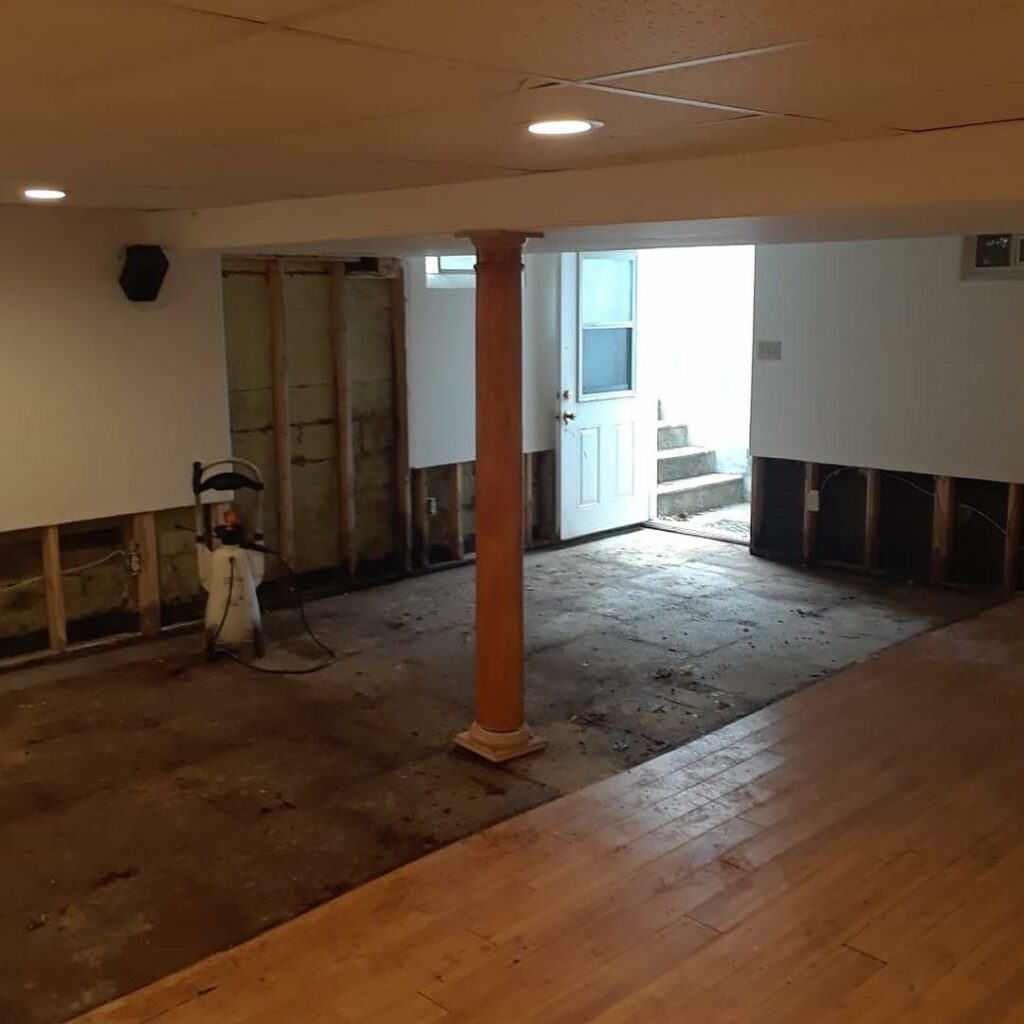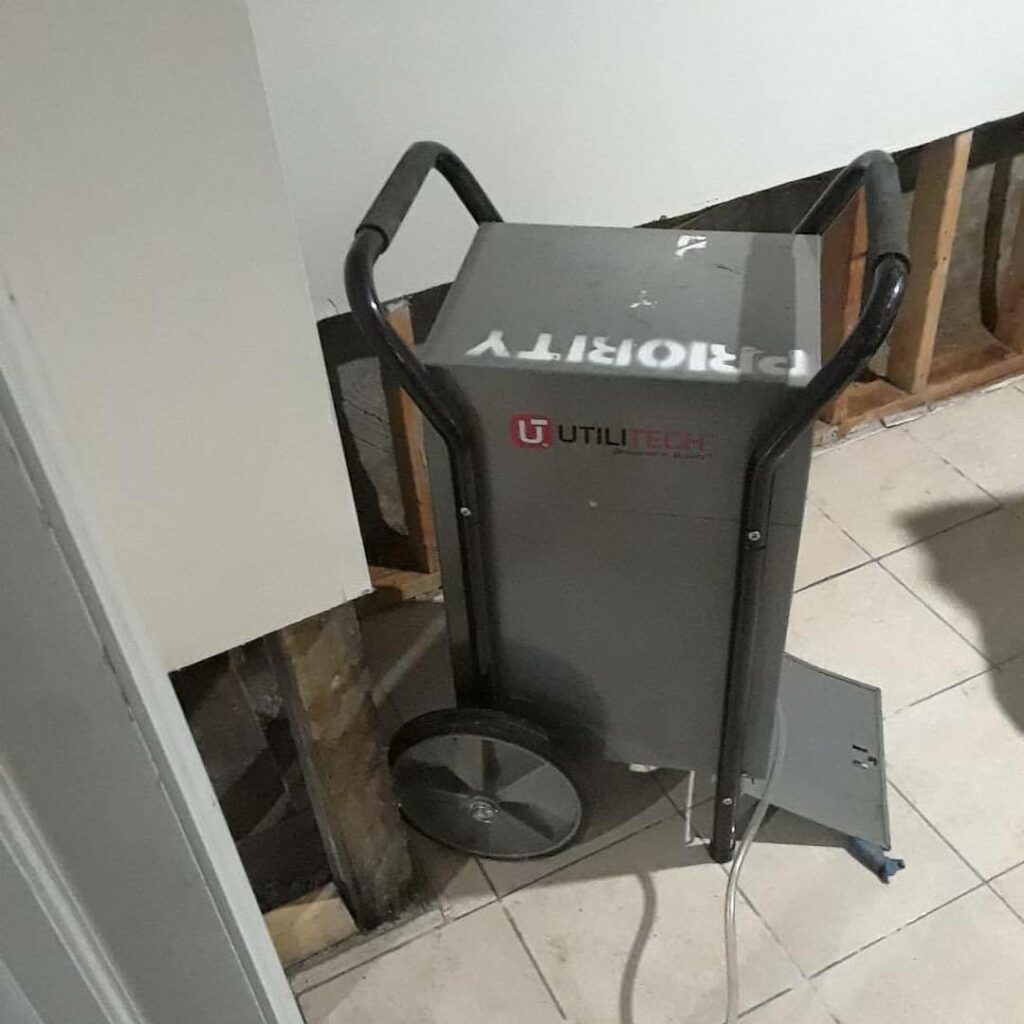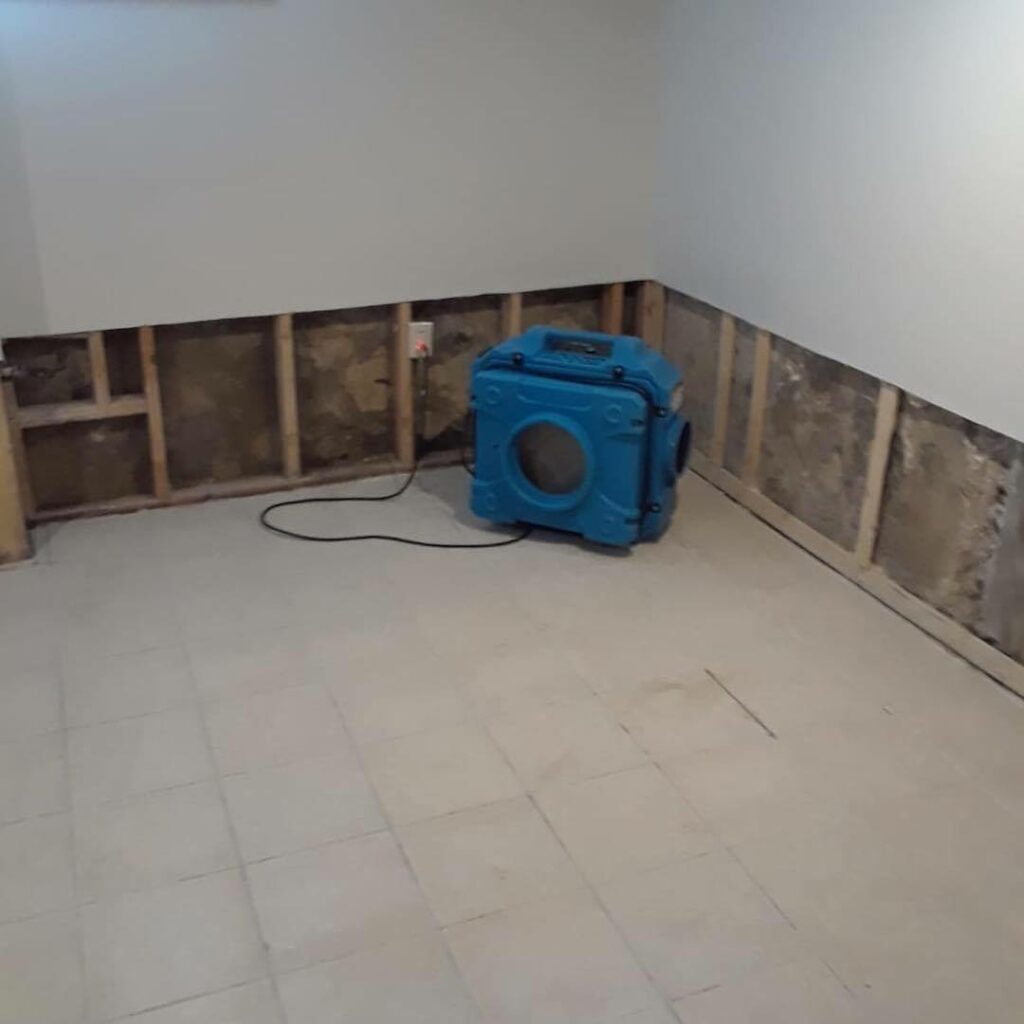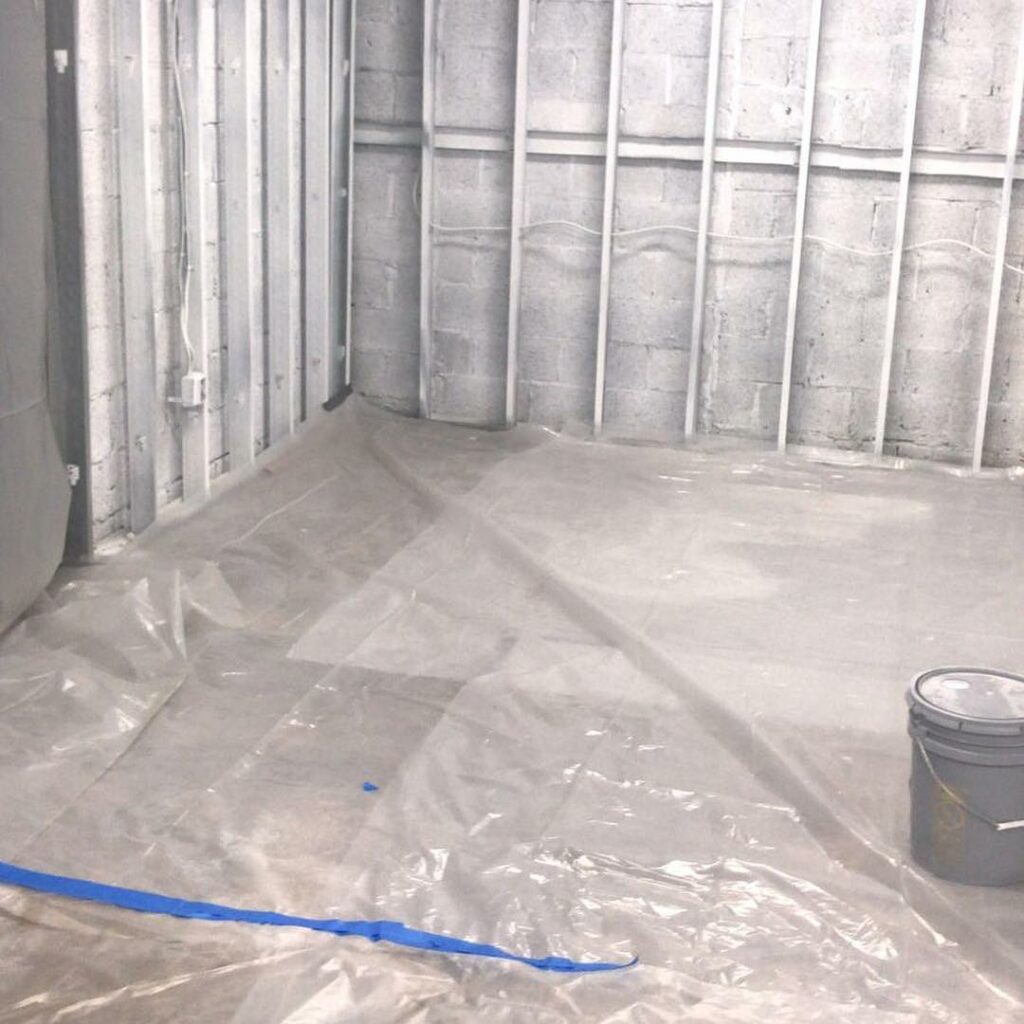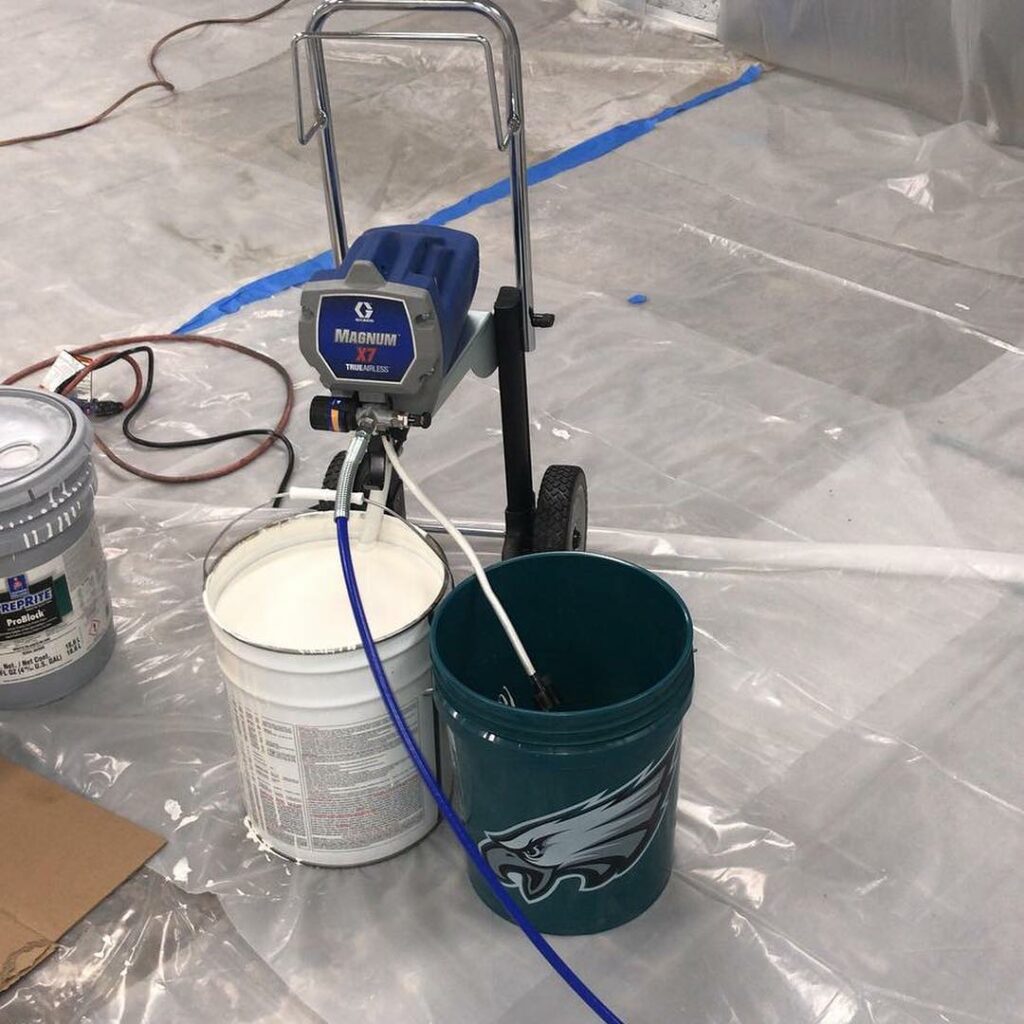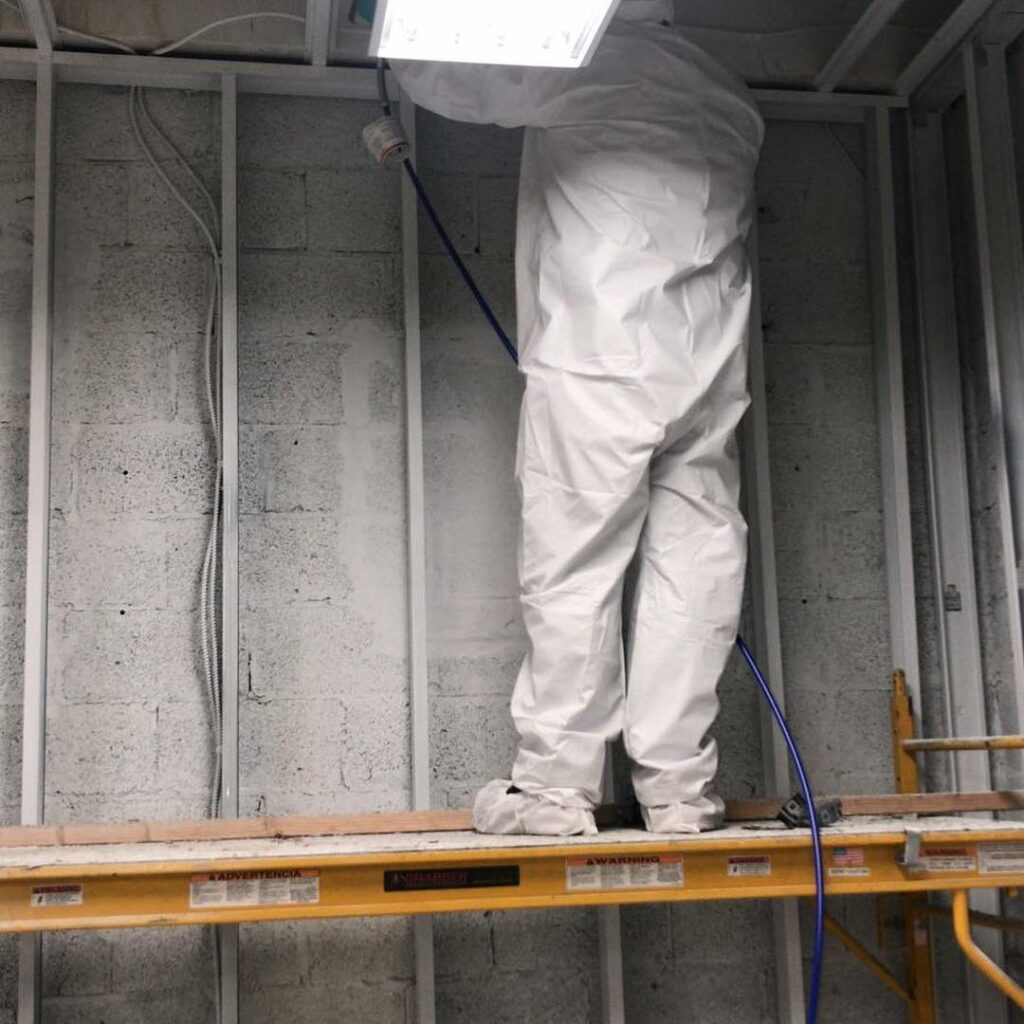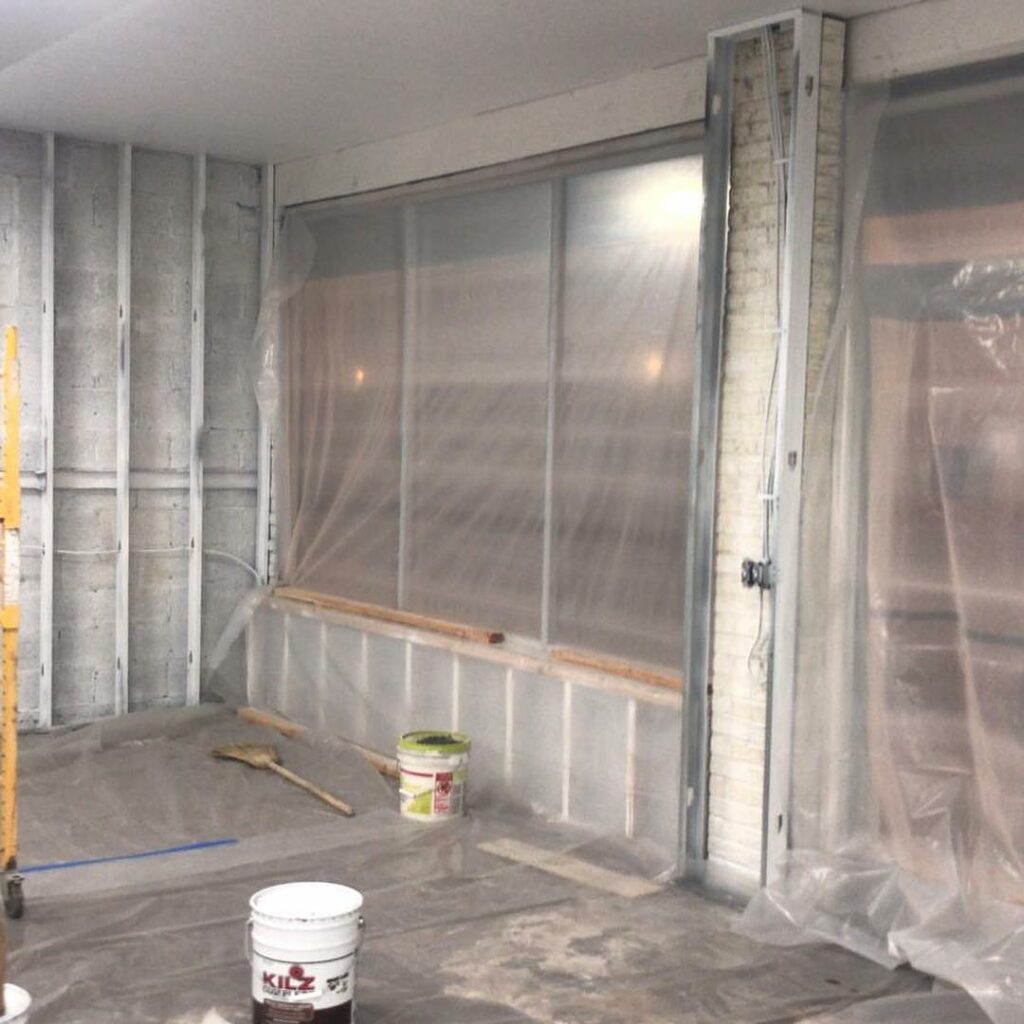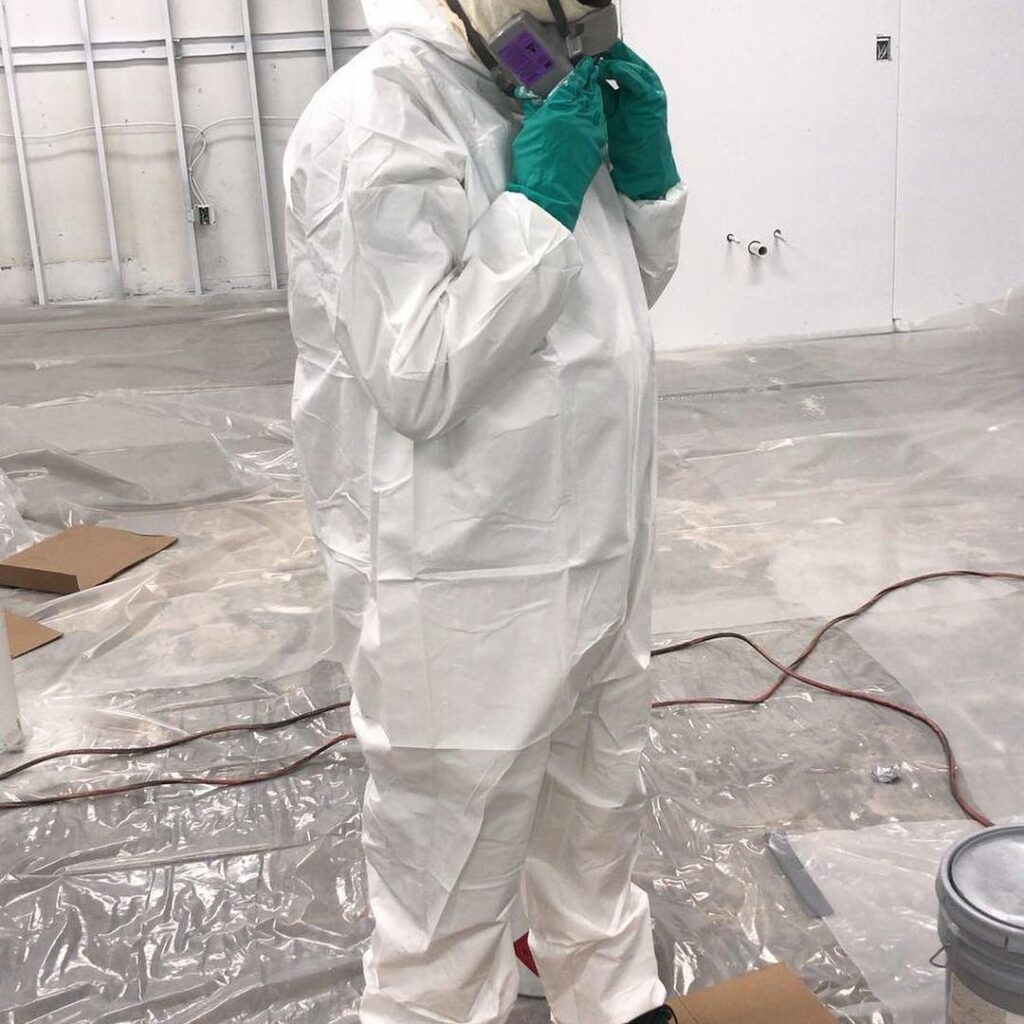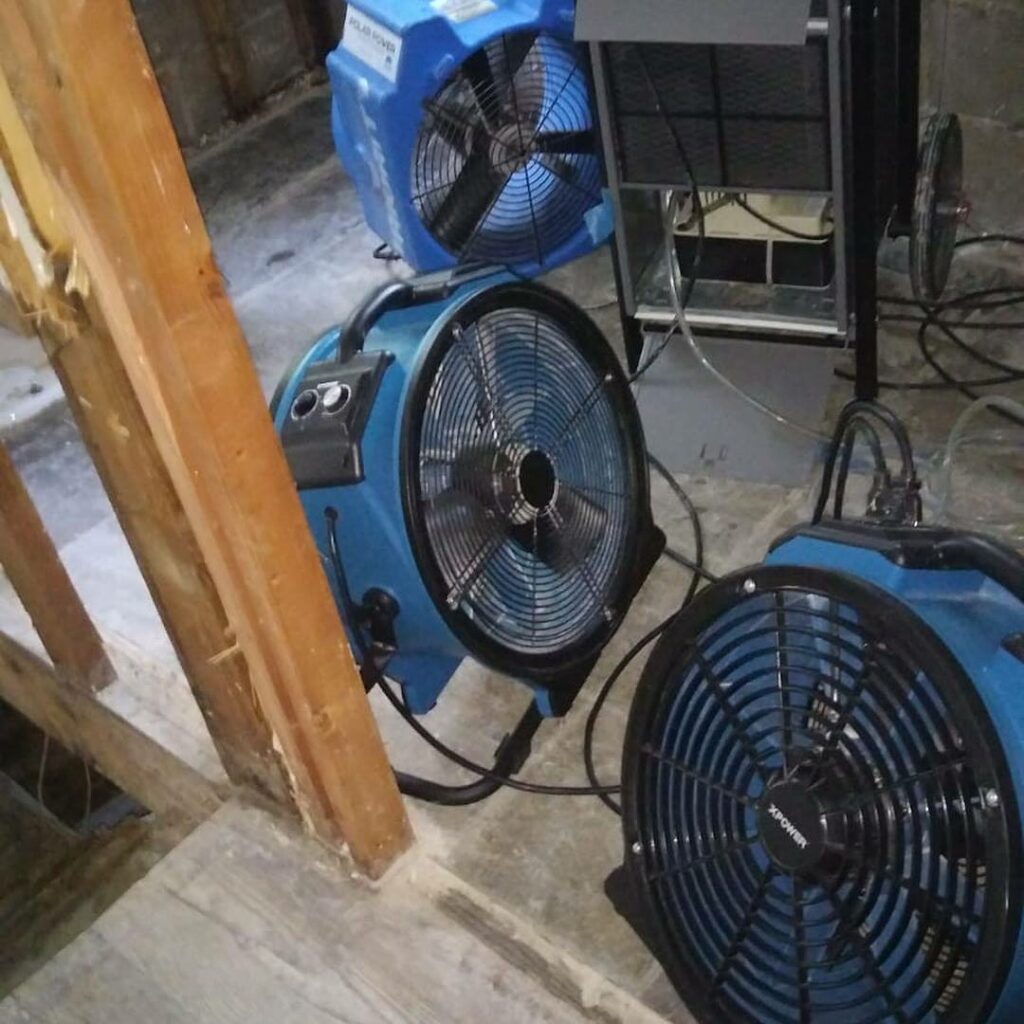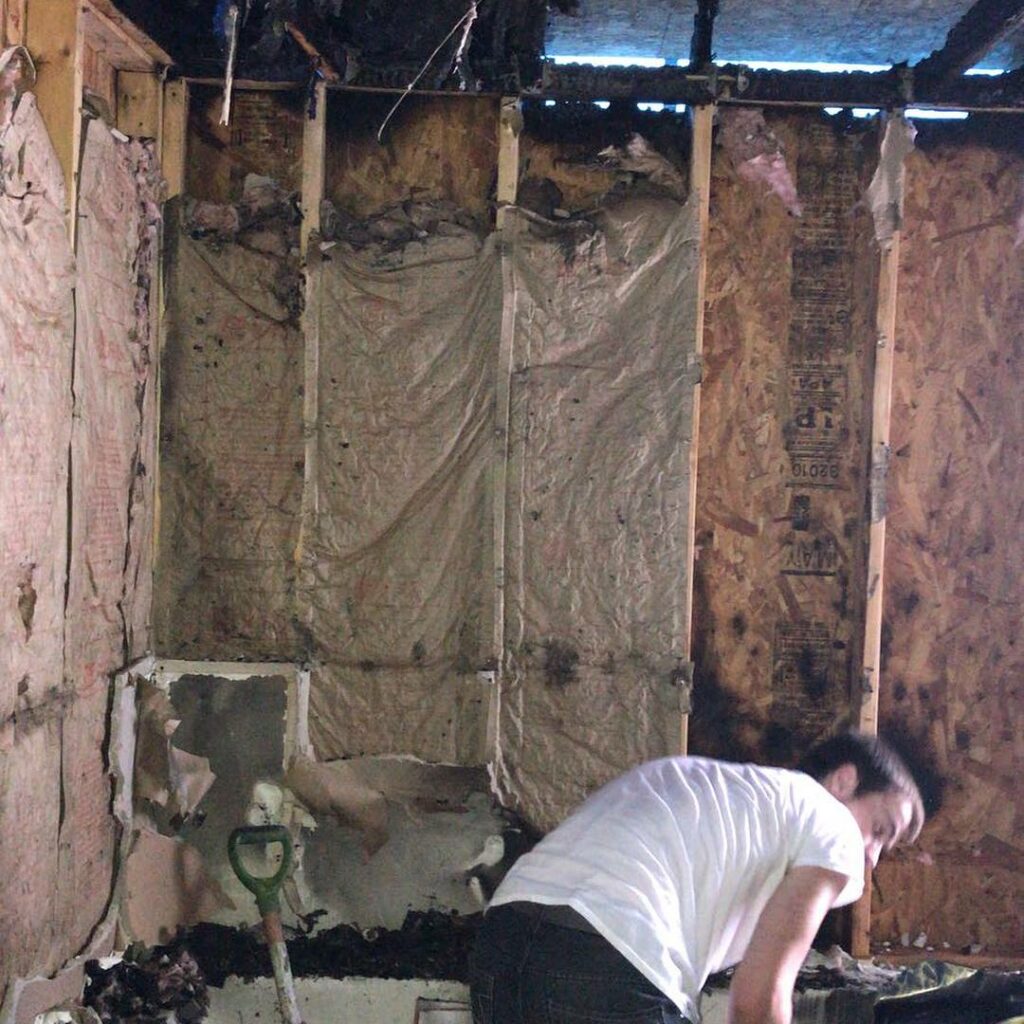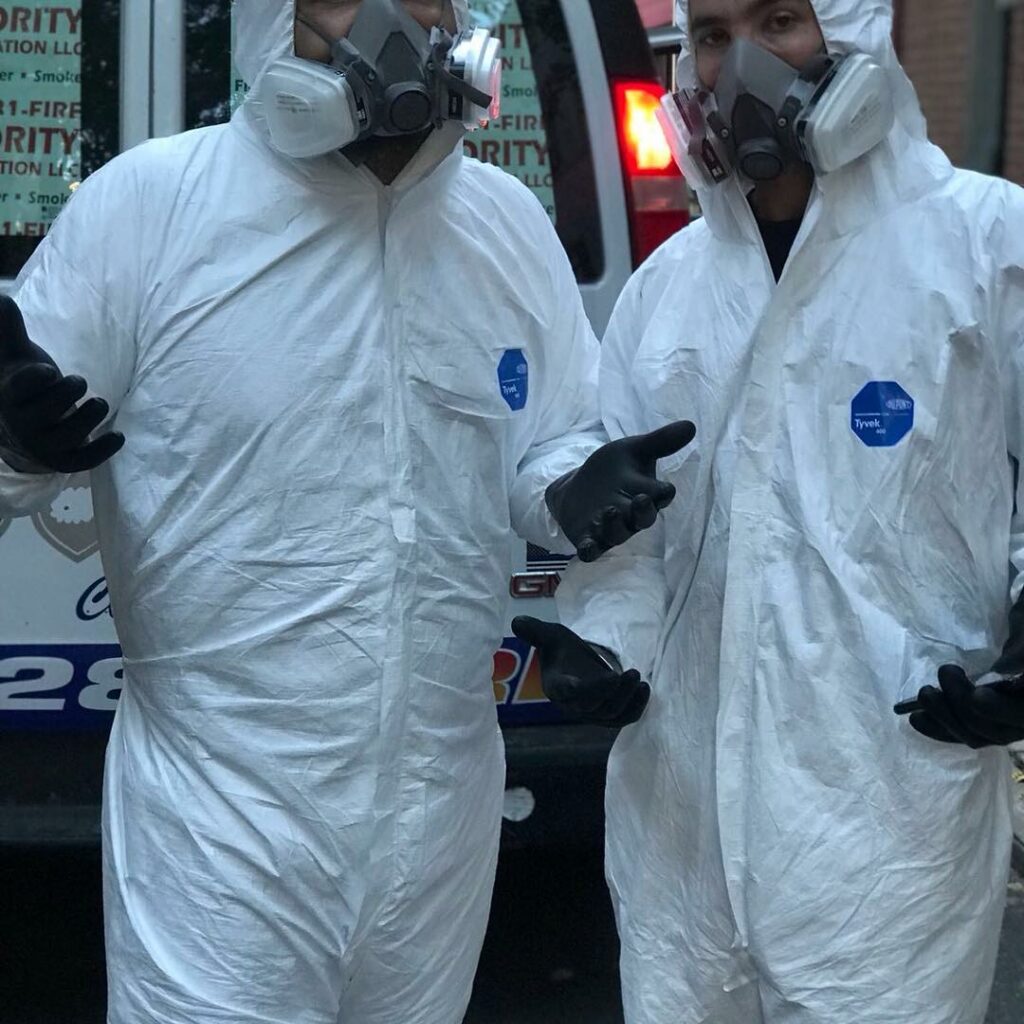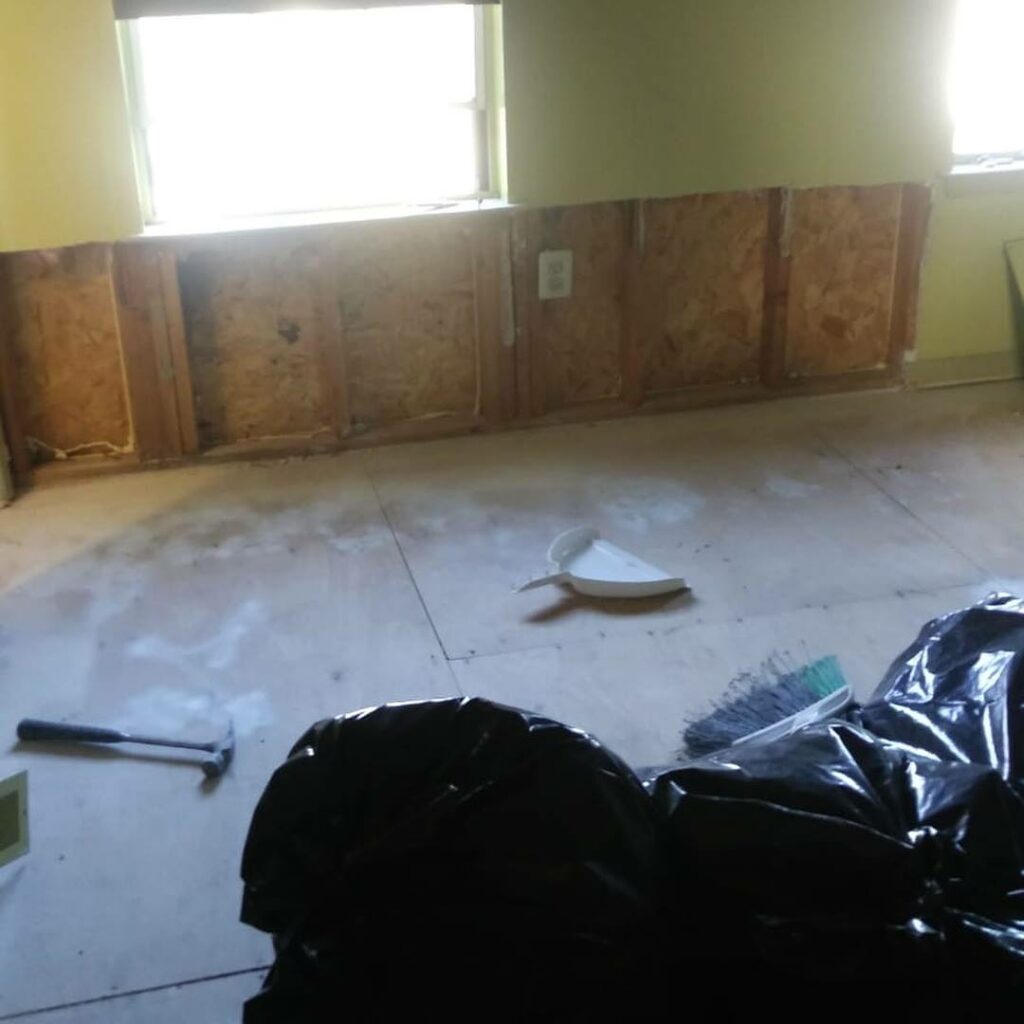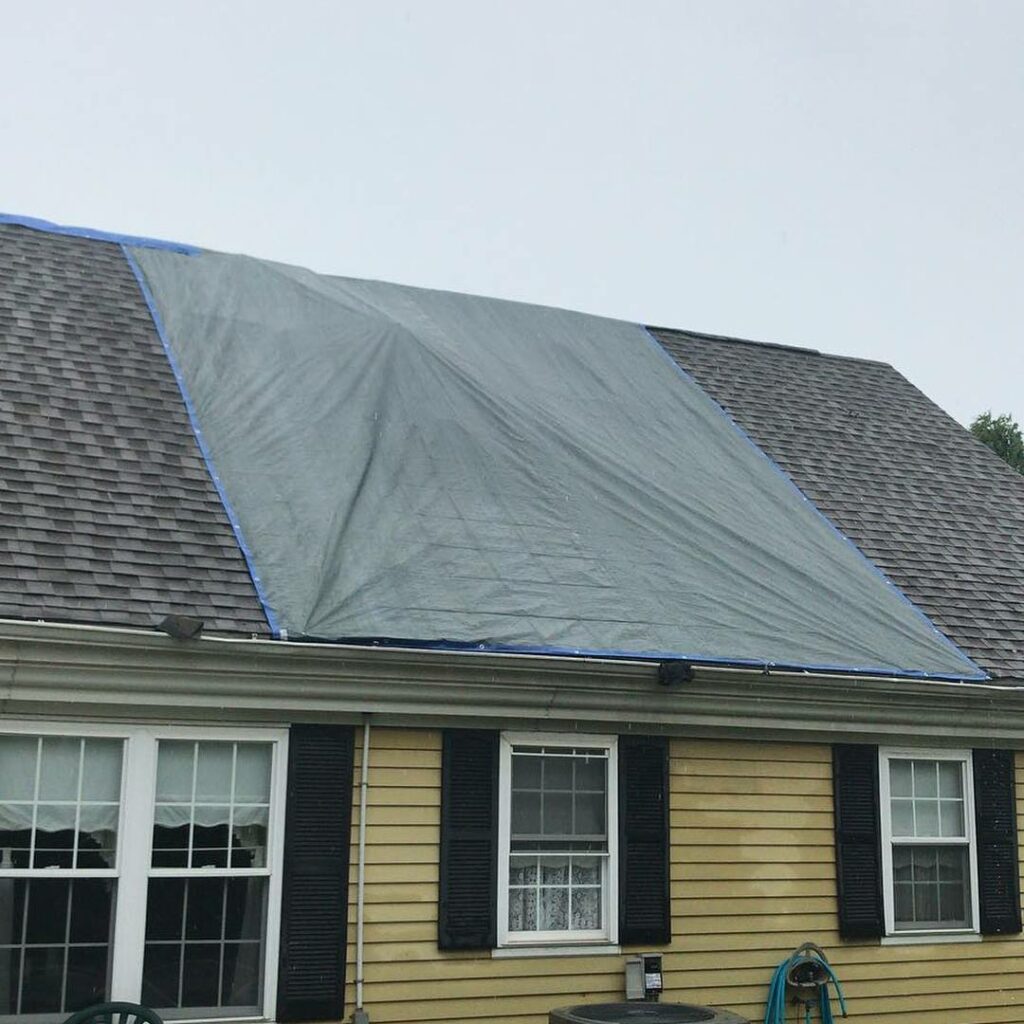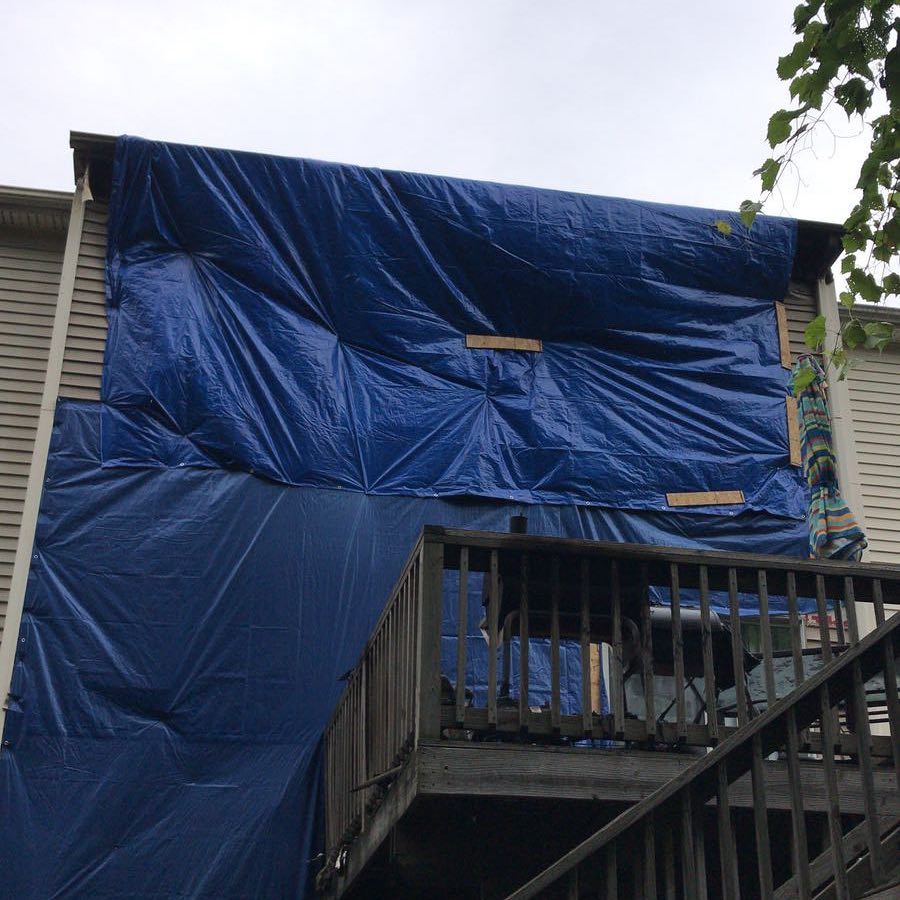
When dealing with mold, you need a reliable and local team of Philly damage restoration experts in your corner. We've restored 100s of properties, both residential and commercial, in the Philly area and we're ready to come out and help you 24/7.
We're certified, insured, and work with all insurance companies. We understand how overwhelming it can be dealing with unexpected damage so let us assist you with your claim so you can focus on getting your life back on track.
Request a Free Estimate
or call (445) 234-4123
By submitting the form, you agree to our Terms of Service and Privacy Policy.
Philadelphia Kitchen Mold Removal Company
The kitchen is one of the most common areas in a home for moisture problems to develop. Between plumbing connections, appliances, cooking steam, and frequent water use, even a small leak or ventilation issue can create conditions where mold begins growing.
For Philadelphia homeowners, kitchen mold can be especially challenging because many local properties feature older construction, including brick row homes, historic townhouses, duplexes, and older apartment buildings where aging plumbing systems, limited ventilation, and previous repairs can contribute to hidden moisture problems.
Professional kitchen mold removal focuses on more than cleaning visible mold. The goal is to identify the source of moisture, remove affected materials when necessary, and prevent the mold from returning.
What Causes Mold in a Kitchen?
Mold grows when moisture remains present long enough for spores to develop. Kitchens naturally contain many potential sources of water, making moisture control especially important.
Common causes of kitchen mold include:
- Leaking pipes beneath sinks
- Dishwasher supply line leaks
- Refrigerator water line leaks
- Ice maker leaks
- Water damage from overflowing sinks
- Plumbing leaks inside walls
- Damaged kitchen countertops or backsplashes
- Poor ventilation
- Excess cooking humidity
- Roof leaks above kitchens
- Flooding or storm damage
- Water trapped behind cabinets or appliances
A small plumbing leak that goes unnoticed can create a damp environment inside cabinets, walls, or flooring. Because many kitchen areas contain wood cabinets, drywall, insulation, and other porous materials, moisture can lead to hidden mold growth.
The EPA notes that controlling moisture is the most important step in preventing mold growth. Simply cleaning visible mold without correcting the source of moisture often allows the problem to return. (epa.gov)
Common Places Mold Grows in Kitchens
Kitchen mold does not always appear in obvious locations. Many homeowners first notice a musty smell, discoloration, or damaged materials before they actually see mold.
Mold Under the Kitchen Sink
The cabinet beneath the kitchen sink is one of the most common locations for mold growth.
This area is vulnerable because plumbing connections are hidden and leaks may go unnoticed. A slow drip from a drain pipe, supply line, garbage disposal, or dishwasher connection can keep the cabinet base damp for weeks or months.
Signs of mold under a kitchen sink include:
- Musty odors when opening the cabinet
- Swollen or warped cabinet materials
- Dark spots on the cabinet floor
- Peeling laminate
- Soft wood
- Water stains
- Repeated plumbing leaks
In Philadelphia row homes and older properties, kitchens may have aging plumbing systems where small leaks can develop behind cabinets or walls. A cabinet may look intact from the outside while moisture damage is occurring underneath.
Mold Inside Kitchen Cabinets
Kitchen cabinets provide an ideal environment for mold when moisture becomes trapped.
Mold may develop inside cabinets because of:
- Plumbing leaks
- Poor airflow
- Wet dishes stored before drying
- Condensation
- Water damage from nearby appliances
Cabinet materials such as particleboard and MDF absorb water easily. Once these materials become saturated, drying them completely can be difficult.
If mold has penetrated deeply into cabinet materials, cleaning the surface may not remove the underlying problem.
Mold Behind Kitchen Cabinets
One of the more serious kitchen mold problems occurs behind cabinets.
A leaking pipe, appliance connection, or damaged exterior wall can allow water to collect behind cabinets where it is difficult to detect.
Warning signs of hidden mold behind kitchen cabinets include:
- Persistent musty smells
- Cabinets pulling away from walls
- Swollen cabinet panels
- Discoloration around edges
- Soft drywall
- Mold returning after cleaning
Hidden mold can require partial removal of cabinets or wall materials so the affected area can be properly dried and treated.
Mold Around Refrigerators
Refrigerators are another common source of kitchen moisture problems.
Many modern refrigerators connect to water lines for ice makers and water dispensers. A loose connection, damaged tubing, or failed valve can leak water behind or underneath the appliance.
Because refrigerators are rarely moved, leaks may continue unnoticed.
Common signs of refrigerator-related mold include:
- Water stains near the refrigerator
- Musty smells
- Damaged flooring
- Mold growth on walls behind the appliance
- Swollen baseboards
This issue is especially important in older Philadelphia kitchens where flooring and subfloor materials may already be vulnerable from age or previous water damage.
Mold From Dishwasher Leaks
Dishwashers can create hidden moisture problems when seals fail, hoses crack, or connections loosen.
Water from a dishwasher leak may travel beneath cabinets or flooring before becoming visible.
Signs of dishwasher-related mold include:
- Swollen cabinets next to the dishwasher
- Flooring that feels soft or uneven
- Water stains
- Musty odors
- Mold growth near the dishwasher opening
Because much of the plumbing is hidden, professional evaluation may be needed when damage extends beyond visible surfaces.
Mold on Kitchen Walls and Ceilings
Kitchen walls and ceilings can develop mold from humidity, leaks, or condensation.
Cooking produces steam and moisture, especially when boiling water, using a dishwasher, or preparing food for long periods. Without proper ventilation, moisture can collect on walls and ceilings.
Mold on a kitchen ceiling may also indicate a larger problem, such as:
- A plumbing leak from another floor
- A roof leak
- Water damage from an apartment above
- Poor ventilation
In Philadelphia multi-story homes, a ceiling stain in a kitchen may originate from plumbing or water damage above the room.
Is Kitchen Mold Dangerous?
Mold exposure can affect people differently depending on sensitivity, allergies, and existing respiratory conditions.
The CDC states that mold exposure can cause symptoms including nasal stuffiness, coughing, wheezing, sore throat, eye irritation, and skin irritation. People with asthma or mold allergies may experience stronger reactions. (cdc.gov)
Kitchen mold may also create concerns because kitchens are areas where food is prepared and stored. While mold on building materials is different from food mold, visible mold growth in the kitchen should still be addressed to prevent continued spread and moisture damage.
Not all dark-colored mold is automatically "toxic black mold." Mold species cannot be identified reliably by appearance alone.
Philadelphia Homes and Kitchen Mold Problems
Philadelphia has a large number of older homes where moisture issues can develop because of aging materials and infrastructure.
Many Philadelphia row homes were built decades ago and may have:
- Older plumbing systems
- Limited kitchen ventilation
- Aging cabinets
- Original masonry walls
- Previous renovations that may hide older moisture problems
The Philadelphia Department of Public Health identifies moisture problems, leaks, and building maintenance issues as factors that can contribute to indoor mold growth. (phila.gov)
Kitchen mold can also be connected to larger water damage issues. A leaking pipe inside a wall, failed roof flashing, or storm-related water intrusion can affect multiple areas of a home.
Local news outlets have reported on Philadelphia housing challenges involving leaks, mold, and indoor air quality concerns. For example, WHYY has covered programs addressing home conditions that contribute to asthma triggers, including mold and moisture problems in Philadelphia residences. (whyy.org)
How to Prevent Kitchen Mold
The best way to prevent kitchen mold is to control moisture before it becomes a larger problem.
Repair Plumbing Leaks Immediately
Do not ignore slow leaks beneath sinks or appliances.
A small drip can create enough moisture for mold growth, especially inside enclosed cabinets.
Check Appliance Connections
Inspect water lines connected to:
- Refrigerators
- Dishwashers
- Garbage disposals
- Water filtration systems
Replace damaged hoses or fittings before they fail.
Improve Kitchen Ventilation
Use exhaust fans when cooking, especially when boiling water or producing steam.
Proper ventilation helps reduce condensation on walls and ceilings.
Keep Cabinets Dry
Avoid storing wet items inside cabinets.
Clean up spills quickly and periodically inspect cabinet interiors for moisture damage.
Maintain Caulk and Seals
Check areas around:
- Sinks
- Countertops
- Backsplashes
- Dishwashers
Damaged seals can allow water to penetrate behind finished surfaces.
Address Water Damage Quickly
If a kitchen experiences flooding, appliance failure, or plumbing damage, drying should begin as soon as possible.
The longer materials remain wet, the greater the chance of mold growth.
How Is Kitchen Mold Removed?
Kitchen mold removal depends on where the mold is located and how extensive the damage is.
For small areas of surface mold on hard, non-porous materials, cleaning may sometimes be possible. The EPA recommends cleaning mold from hard surfaces with detergent and water and drying the area completely. (epa.gov)
However, professional mold remediation may be needed when:
- Mold is inside drywall
- Mold is behind cabinets
- Cabinets or flooring are damaged
- Mold keeps returning
- There has been significant water damage
- The moisture source is unknown
- Sewage or contaminated water is involved
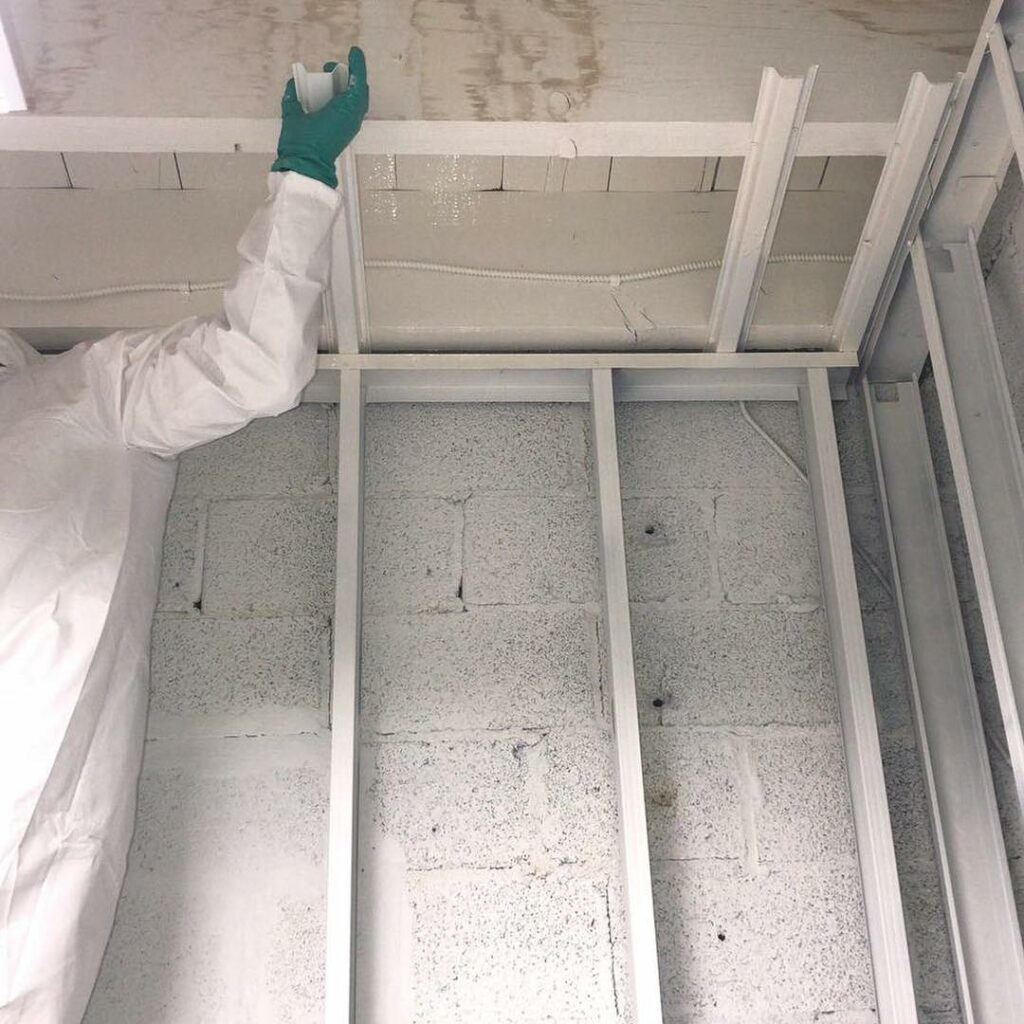
Professional remediation typically involves:
- Identifying the moisture source
- Containing affected areas when needed
- Removing damaged materials
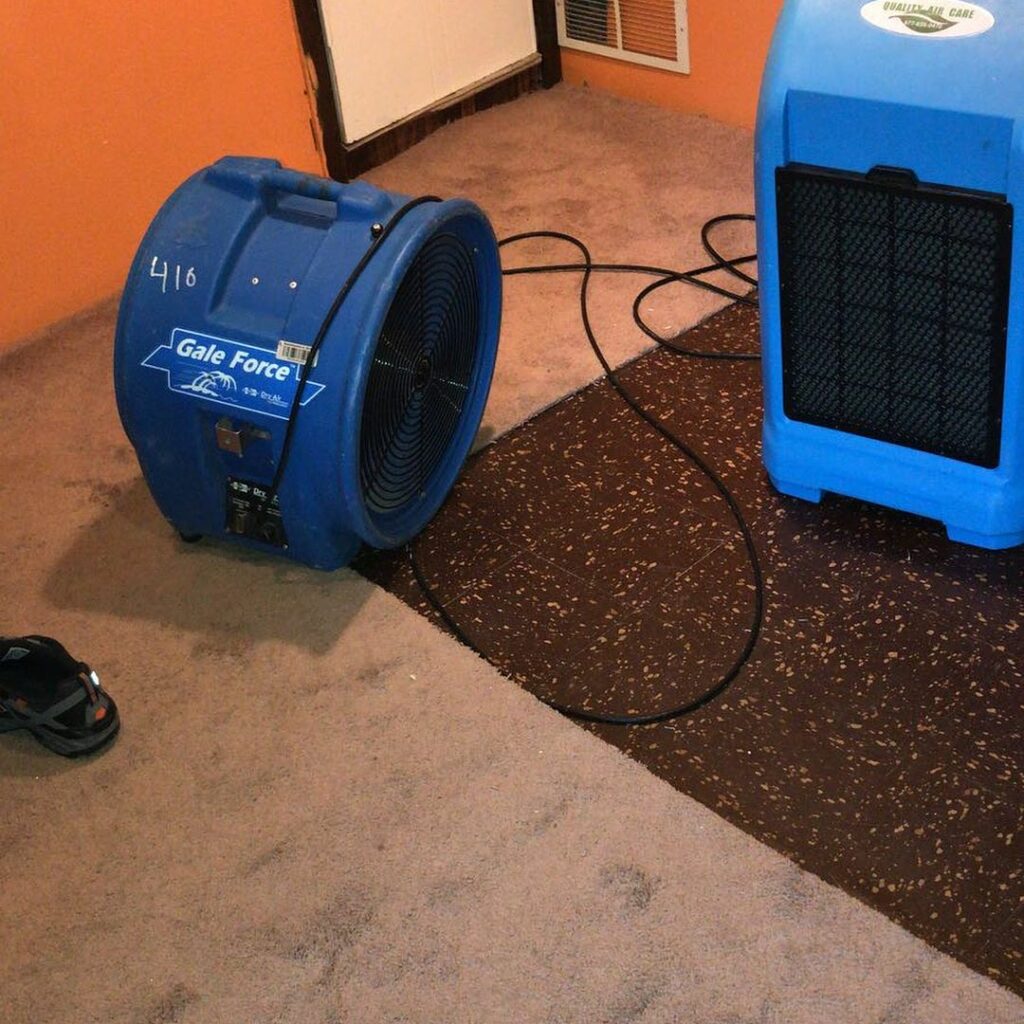
- Drying the structure
- Cleaning affected surfaces
- Preventing future moisture problems
Simply wiping away visible mold without fixing the cause often results in recurring growth.
Kitchen Mold Removal vs. Mold Remediation
Although the terms are often used together, mold removal and mold remediation are not exactly the same.
Mold removal focuses on removing mold-contaminated materials or cleaning affected surfaces.
Mold remediation includes the complete process of identifying the source, controlling contamination, drying the structure, removing damaged materials, and restoring the affected area.
For example, if a dishwasher leak causes mold beneath kitchen cabinets, cleaning the mold without repairing the leak will not resolve the problem.
The moisture source must be corrected first.
When Should You Call a Philadelphia Mold Remediation Company?
Professional help may be appropriate if you notice:
- Large areas of mold growth
- Mold returning after cleaning
- Mold behind cabinets or walls
- Strong musty odors
- Water damage from leaks or flooding
- Damaged drywall, flooring, or cabinetry
- Mold caused by sewage or contaminated water
A professional mold remediation company can help determine whether materials can be cleaned or need replacement.
Kitchen Mold Removal in Philadelphia
Kitchen mold can start with a small leak under a sink or behind an appliance, but hidden moisture can allow the problem to spread quickly.
Philadelphia homes, especially older row homes and historic properties, may have unique moisture challenges that require careful evaluation. Identifying the source of the moisture is the most important step in preventing mold from returning.
Philly Damage Restoration provides professional kitchen mold removal and mold remediation services in Philadelphia and surrounding areas. The company helps homeowners and businesses address mold caused by leaks, flooding, plumbing failures, and other moisture problems.
With 24/7 emergency service, Philly Damage Restoration can respond quickly when water damage creates conditions where mold may develop.
Philadelphia Kitchen Mold Removal and Remediation Services
When it comes to mold, we've seen it all.

Mold Damage Repair
Mold damage repair involves comprehensive restoration efforts to address the aftermath of mold infestations, aiming to restore affected areas to their pre-damage condition through thorough cleaning, structural repairs, and preventive measures to inhibit future mold growth.
Black Mold Removal
Black mold removal is a specialized process aimed at eradicating the presence of toxic black mold, typically requiring professional intervention due to its hazardous nature. This meticulous procedure involves containment, thorough removal of affected materials, and stringent sanitation to ensure the elimination of spores and prevent recurrence.
Mold Remediation
Mold remediation encompasses the systematic approach to address mold infestations, focusing on containment, removal, and sanitation to restore indoor air quality and safeguard the health of occupants. It involves comprehensive assessments, targeted interventions, and preventive measures to mitigate mold proliferation and associated risks.
Mold Mitigation
Frequently Asked Questions About Kitchen Mold Removal in Philly
The most common causes are plumbing leaks, poor cabinet ventilation, and moisture trapped inside the cabinet. Even a slow leak can create enough moisture for mold growth.
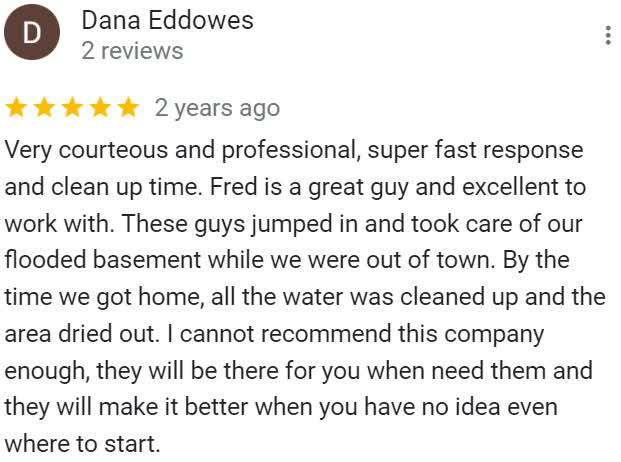
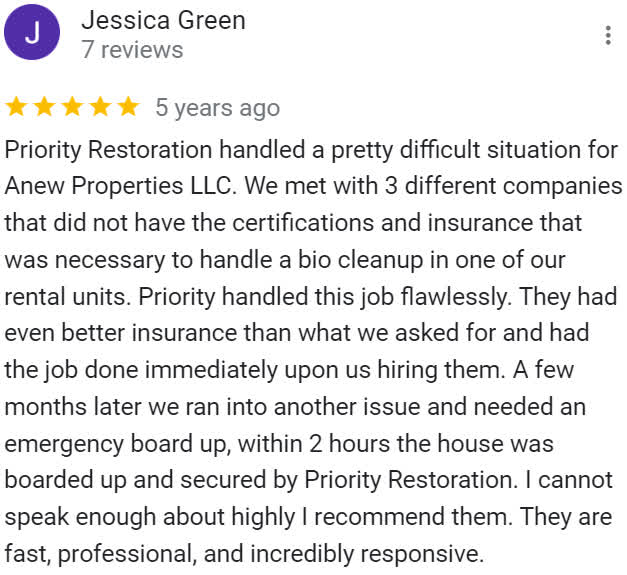
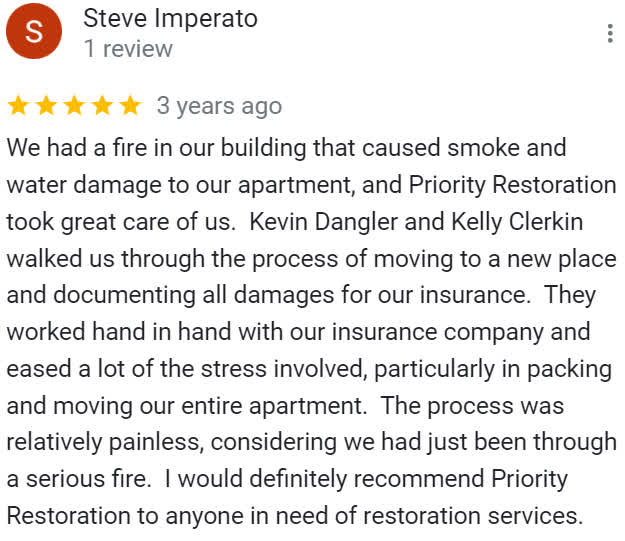
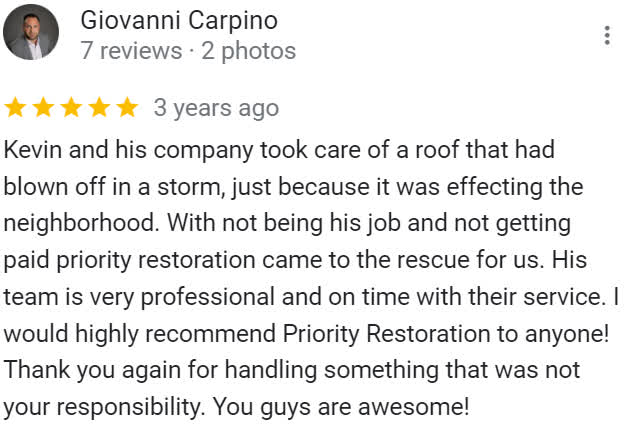
We Go The Extra Mile For Our Customers









Recent Jobs