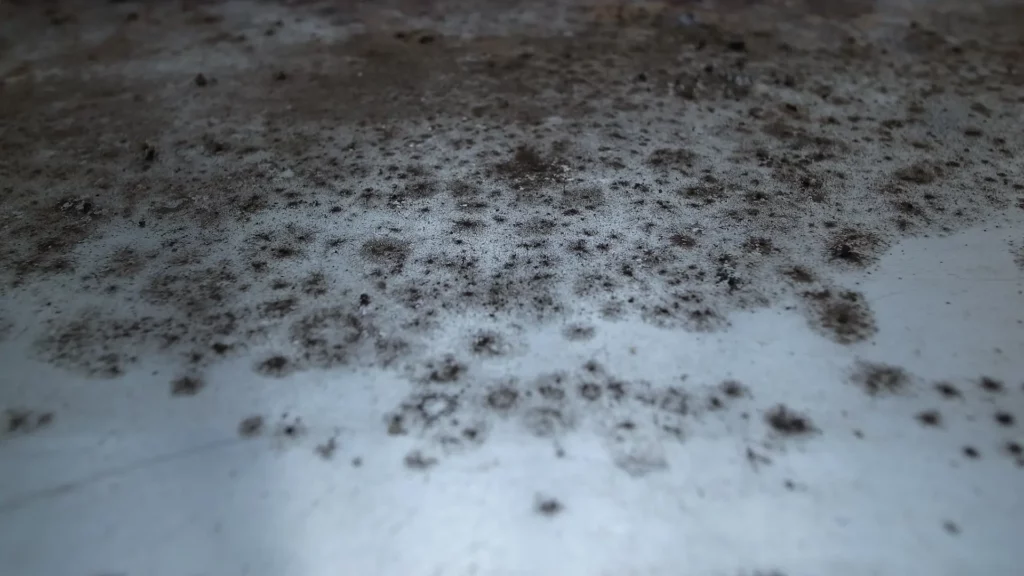

Discovering mold in your Philadelphia home can be stressful, especially when you are unsure who will pay for the cleanup. Homeowners often assume that because they have insurance, mold removal and remediation will automatically be covered. In reality, mold coverage depends heavily on what caused the mold, the language of your homeowners insurance policy, and whether the underlying event is a covered loss.
A standard homeowners policy generally does not provide unlimited coverage for mold remediation. However, mold damage may be covered in certain circumstances when it results from a sudden and accidental event that the policy covers, such as a burst pipe. The Pennsylvania Insurance Department specifically recommends that homeowners ask their insurance agent what types of water damage and mold their policy covers.
For Philadelphia homeowners dealing with mold after a plumbing leak, roof damage, flooding, or another water-related event, understanding the distinction between covered water damage and excluded mold or maintenance problems can make a significant difference.
Does Homeowners Insurance Cover Mold Removal in Philadelphia?
There is no single answer that applies to every homeowners insurance policy.
In general, standard homeowners insurance policies are designed to cover sudden and accidental losses caused by covered perils. Mold that develops gradually because of long-term moisture, poor maintenance, or humidity is generally not covered. However, mold that results directly from a covered event may receive some coverage depending on the policy.
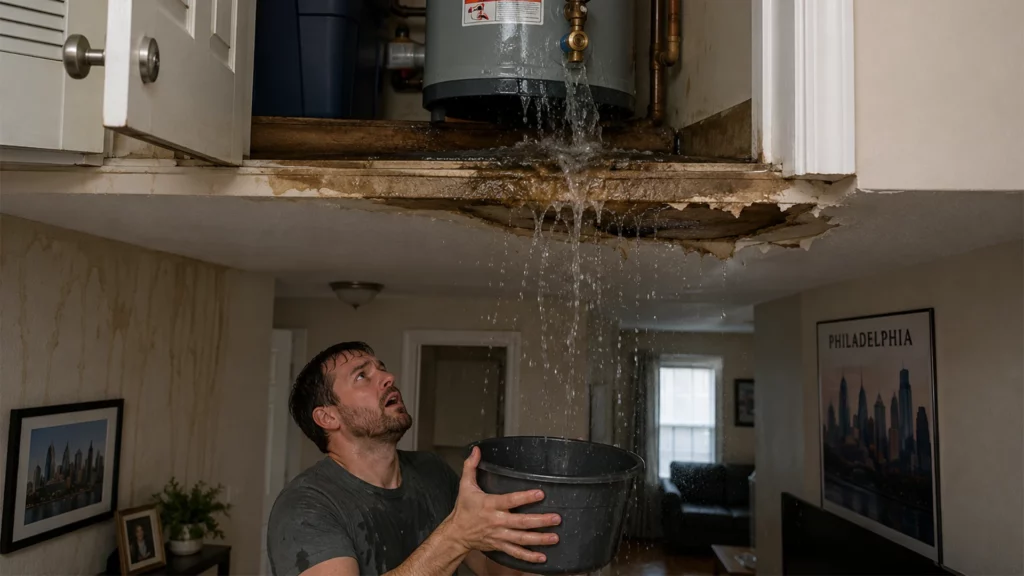
For example, suppose a supply pipe suddenly bursts inside a Philadelphia row home. Water spreads through the kitchen and into the walls and flooring. If the resulting water damage is covered by the homeowner’s policy, the policy may also provide some coverage for mold remediation resulting from that covered loss, subject to the policy’s exclusions, limits, and deductible.
By contrast, if mold develops over several years because of an unrepaired roof leak or chronic basement moisture, the claim may be denied because the underlying condition is considered maintenance-related.
When Is Mold Usually Covered by Homeowners Insurance?
Mold removal is more likely to be covered when it results from a sudden and accidental covered event.
Potential examples include:
- A burst plumbing pipe
- A sudden appliance leak
- Accidental discharge of water from a covered plumbing system
- Certain roof leaks caused by a covered event
- Water damage following a covered fire
- Certain other sudden and accidental water losses
The exact coverage depends on the policy.
The Insurance Information Institute notes that while mold is generally excluded, mold resulting directly from a covered peril such as a burst pipe may be covered.
This is why the cause of the mold is often more important to an insurance company than simply the presence of mold itself.
When Is Mold Usually Not Covered?
Mold is generally less likely to be covered when it results from a long-term maintenance or moisture problem.
Examples may include:
- Long-term roof leaks
- Chronic basement seepage
- Persistent condensation
- High indoor humidity
- Poor ventilation
- Neglected plumbing leaks
- Gradual water intrusion
- Flooding excluded by the homeowners policy
- Failure to maintain the property
The Insurance Information Institute identifies maintenance-related damage and mold as generally excluded under standard homeowners insurance.
For example, if a homeowner notices a small roof leak but leaves it unrepaired for several months, allowing water to repeatedly enter the attic and mold to develop, the resulting mold claim could be denied.
Does Insurance Cover Mold After a Burst Pipe?
Potentially.
A burst pipe is one of the more common situations in which homeowners insurance may cover resulting water damage and potentially associated mold remediation.
Imagine a pipe bursts inside a Philadelphia home during the winter. Water soaks the walls, flooring, and insulation. The homeowner contacts the insurance company and a restoration company immediately, and mold develops as a result of the water damage.
Depending on the policy, the insurer may cover some of the costs associated with the covered water loss and resulting mold remediation.
However, homeowners should not assume that every expense will automatically be covered. Policy limits, deductibles, exclusions, and specific mold provisions can affect the final claim.
Does Homeowners Insurance Cover Mold From a Roof Leak?
It depends on why the roof leaked and what the policy covers.
Homeowners insurance may cover roof damage caused by certain sudden events, such as wind or hail, but it generally does not cover normal wear and tear or deterioration. The Insurance Information Institute notes that roof damage from covered perils such as wind, hail, or falling trees may be covered, while the age and condition of the roof can affect coverage.
For example, if a severe storm damages a Philadelphia roof and rain subsequently enters the attic, resulting water and mold damage may potentially be part of a covered claim.
On the other hand, if an old, deteriorated roof has been leaking for years, the insurer may consider the resulting damage a maintenance issue.
Is Basement Mold Covered by Homeowners Insurance?
Basement mold coverage depends largely on the source of the water.
Philadelphia homes frequently have basements, including older row homes, twins, historic properties, and single-family houses. Basement mold can result from plumbing leaks, foundation seepage, condensation, sewer backups, or flooding.
A sudden covered plumbing failure may potentially result in insurance coverage.
Flooding is different. Standard homeowners insurance generally excludes flood damage, meaning a separate flood insurance policy may be necessary for eligible flood-related losses.
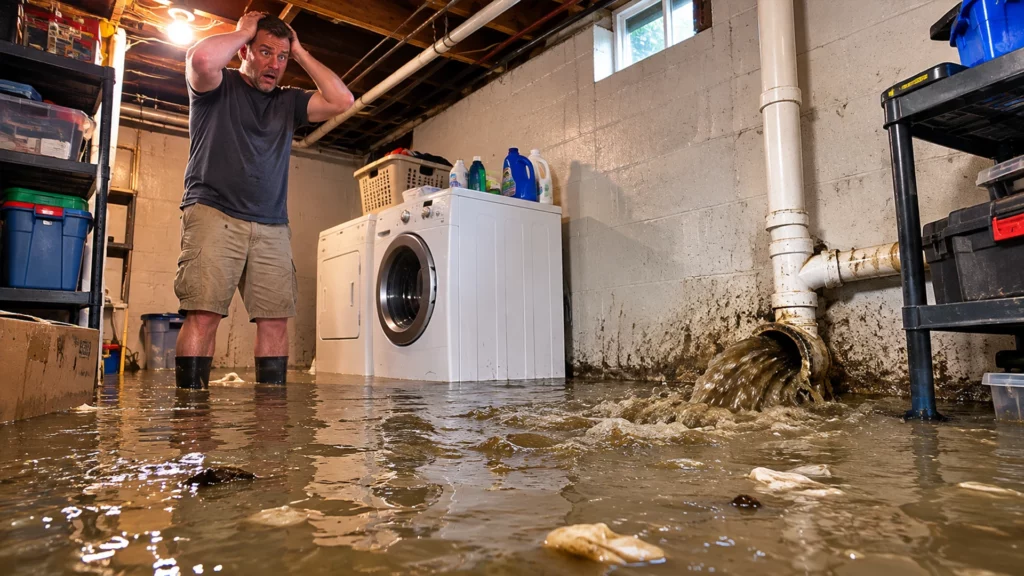
Sewer and drain backups can also have separate coverage requirements. Some homeowners policies exclude sewer backups unless the homeowner has purchased an appropriate endorsement.
Does Homeowners Insurance Cover Mold From Flooding in Philadelphia?
Usually, standard homeowners insurance does not cover flood damage.
This is particularly important for Philadelphia homeowners whose properties experience water intrusion after major storms, overflowing waterways, or other flooding events.
The Pennsylvania Insurance Department notes that flood damage is generally not covered by standard homeowners policies and that homeowners may need separate flood insurance. The Department’s flood insurance task force has also highlighted the relationship between flooding, property damage, and subsequent mold growth.
If mold develops as a direct result of a flood, homeowners should determine whether they have flood insurance and what that policy covers rather than assuming their standard homeowners policy will pay for remediation.
Is Mold From a Sewer Backup Covered?
Not necessarily.
Sewer and drain backup coverage is often separate from standard homeowners coverage. The Insurance Information Institute notes that many standard policies do not cover sewer backups, although homeowners may be able to purchase an endorsement for this type of loss.
This can be particularly important for Philadelphia homeowners because sewer backups can cause extensive water damage and contamination in basements and lower levels.
If a sewer backup occurs, avoid handling contaminated materials yourself unless you understand the appropriate safety precautions. Professional water and biohazard restoration may be necessary depending on the circumstances.
What About Mold After Fire Damage?
Mold can develop after a fire because significant amounts of water may be used to extinguish the fire.
A fire-damaged Philadelphia home can therefore have several different categories of damage:
- Fire damage
- Smoke damage
- Soot contamination
- Water damage
- Mold growth
If the original fire is a covered loss, the resulting water damage and other related losses may be addressed under the policy, subject to its terms.
Mold that develops because of water used during firefighting may therefore be treated differently from mold caused by years of moisture problems.
Does Insurance Pay for Mold Testing?
Not necessarily.
Mold testing is not automatically covered simply because a homeowner has discovered mold.
Whether testing is covered depends on the policy and the circumstances surrounding the claim. In many cases, the more important question is identifying the source of moisture and extent of damage.
For example, if a pipe has clearly burst and water has visibly damaged drywall, determining the exact species of mold may not be necessary to establish that water damage occurred.
Homeowners should ask their insurance adjuster whether inspection, testing, moisture mapping, or other investigative services are covered before incurring significant expenses.
Does Insurance Cover Mold Inspection?
Coverage for mold inspection can vary just like coverage for remediation.
An insurance company may send its own adjuster or may request an inspection to determine the cause and extent of the loss.
Homeowners should keep records of:
- Inspection reports
- Photographs
- Moisture readings
- Contractor estimates
- Restoration invoices
- Communication with the insurance company
- Documentation showing when the damage occurred
Thorough documentation can help establish the timeline and connection between the original covered event and subsequent mold damage.
What Should I Do If I Discover Mold After Water Damage?
If mold appears after a water emergency, act quickly.
1. Stop the source of water
If possible and safe, shut off the water supply or address the source of the leak.
2. Document the damage
Take photographs and videos of the affected areas before major cleanup begins.
3. Contact your insurance company
Report the loss promptly and ask specifically about coverage for water damage and mold remediation.
4. Prevent additional damage
Take reasonable steps to protect the property from further damage. Insurance guidance commonly recommends prompt drying and mitigation following water losses.
5. Contact a restoration professional
A professional restoration company can assess moisture, extract standing water, dry affected materials, and determine whether mold remediation is necessary.
6. Keep your receipts
Save receipts for emergency repairs, drying equipment, restoration services, temporary accommodations, and other expenses related to the loss.
Should I Call My Insurance Company or a Mold Remediation Company First?
In many situations, homeowners should notify their insurance company promptly while also taking reasonable steps to prevent additional damage.
Do not wait for mold to spread while trying to determine whether the insurance company will ultimately approve the claim.
The Insurance Information Institute recommends contacting your insurance professional when you believe a mold problem is caused by a covered peril and taking steps to prevent further damage.
A restoration company can help with emergency mitigation while the insurance claim is being evaluated.
Will Filing a Mold Claim Increase My Insurance Rates?
Potentially, but there is no universal answer.
Insurance premiums can be affected by claims history and other factors. Whether a particular mold or water-damage claim affects future premiums depends on the insurer, policy, claim history, and circumstances.
Homeowners should ask their insurance agent how a potential claim could affect their policy before deciding whether to file, particularly when the damage is relatively minor.
However, homeowners should also avoid delaying necessary mitigation simply because they are concerned about a possible premium increase.
How Much Does Mold Remediation Cost If Insurance Does Not Cover It?
Mold remediation costs vary significantly depending on:
- Size of the affected area
- Type of materials involved
- Location of the mold
- Accessibility
- Amount of water damage
- Whether drywall must be removed
- Whether insulation is contaminated
- Whether HVAC systems are affected
- Extent of containment required
- Source of the moisture
A small area of surface mold may require a very different response from extensive contamination following a major water loss.
Homeowners should address the moisture source regardless of whether insurance ultimately covers the remediation.
Philadelphia Homes and Mold Insurance Claims
Philadelphia’s housing stock includes many older properties where moisture problems can develop in places that are difficult to detect.
Common examples include:
- Brick row homes
- Historic townhouses
- Twins
- Duplexes
- Older single-family homes
- Multi-family buildings
Aging roofs, plumbing systems, masonry, windows, and foundations can all contribute to water intrusion.
Philadelphia’s seasonal weather can also create moisture challenges. Heavy rain can expose roof and drainage problems, while winter temperatures can contribute to frozen and burst pipes. Humid summer weather can increase condensation in basements, attics, and poorly ventilated areas.
For homeowners dealing with mold, determining how and when the moisture entered the property can be an important part of understanding whether insurance coverage may apply.
What Evidence Can Help With a Mold Insurance Claim?
Documentation can be extremely valuable when filing a homeowners insurance claim.
Consider keeping:
- Photos of the original water damage
- Photos of visible mold
- Videos showing leaks
- Dates and times of the incident
- Plumbing or roofing repair records
- Previous maintenance records
- Contractor reports
- Restoration estimates
- Invoices
- Receipts
- Communications with your insurer
- Records of damaged personal belongings
If a pipe bursts on Monday and mold is discovered several days later, documentation showing the original water loss can help establish the timeline.
What If My Insurance Company Denies the Mold Claim?
A denial does not necessarily mean you have no options.
First, review the written explanation for the denial and identify the specific policy provision the insurer is relying on.
You can then discuss the decision with your insurance agent or insurance company and ask questions about the applicable coverage.
If you believe the claim was improperly denied, you may also wish to consult an insurance attorney or contact the Pennsylvania Insurance Department for information about insurance-related concerns.
The Pennsylvania Insurance Department provides consumer information about homeowners insurance and encourages policyholders to understand what their policies cover and exclude.
How Can Philadelphia Homeowners Prevent Mold Problems?
The best way to avoid an uncovered mold problem is to control moisture before mold develops.
Homeowners should:
- Repair plumbing leaks promptly
- Maintain the roof
- Clean gutters and downspouts
- Address basement water intrusion
- Use bathroom and kitchen exhaust fans
- Control indoor humidity
- Inspect attics for roof leaks
- Check around windows for water intrusion
- Dry water-damaged materials quickly
- Maintain appliances and supply lines
The Insurance Information Institute recommends moisture prevention measures such as maintaining roofs, fixing leaks, controlling humidity, and drying water-damaged materials promptly.
Professional Mold Remediation After Water Damage in Philadelphia
When mold develops after a water emergency, homeowners should focus on both the mold and the source of the moisture. Cleaning visible mold without repairing the leak or drying affected materials can allow the problem to return.
Philly Damage Restoration provides professional mold removal, mold remediation, and water damage restoration services throughout Philadelphia and surrounding areas. Our team can respond to water emergencies, assess affected areas, remove standing water, dry damaged materials, and address mold when necessary.
We provide 24/7 emergency service for Philadelphia homeowners dealing with burst pipes, flooding, roof leaks, appliance failures, and other emergencies that can lead to water damage and mold growth.
Whether your property is a Philadelphia row home, historic townhouse, twin, duplex, or single-family home, prompt professional attention can help minimize damage and begin the restoration process.