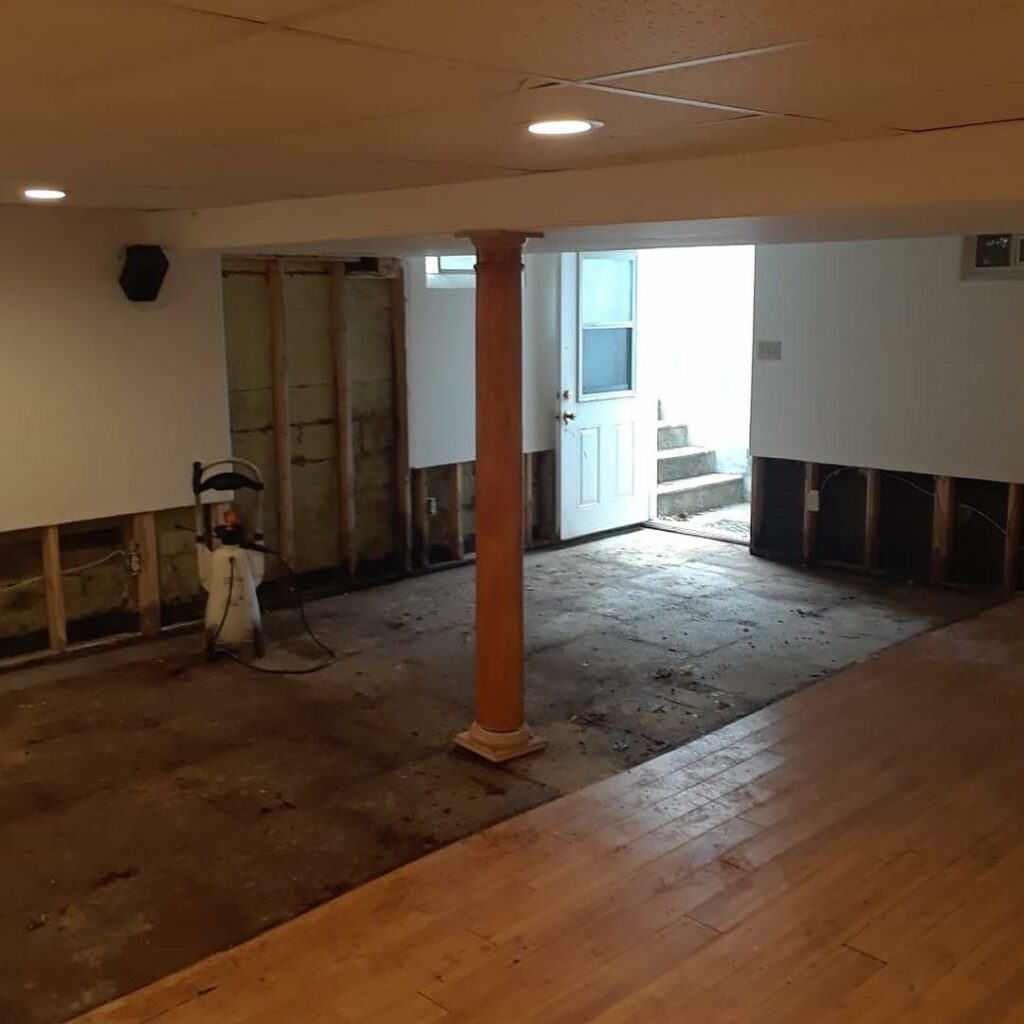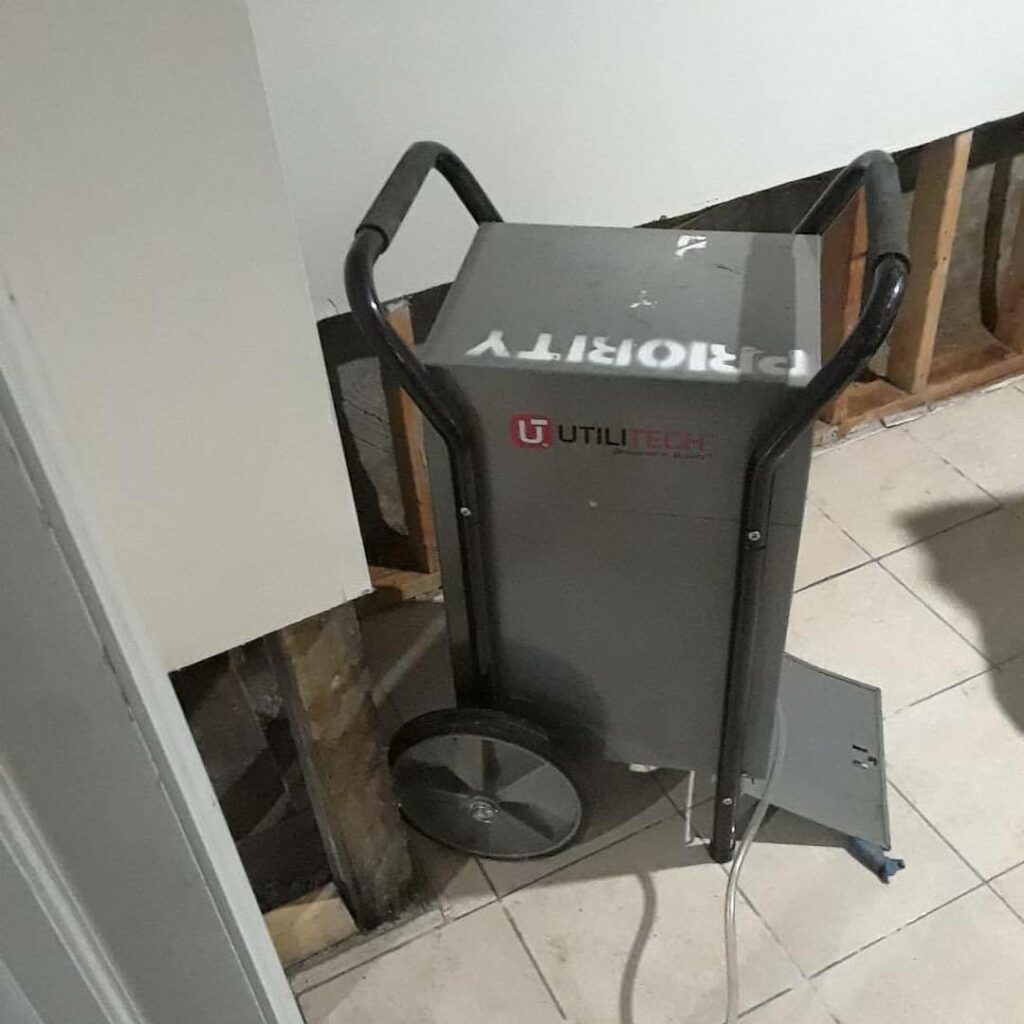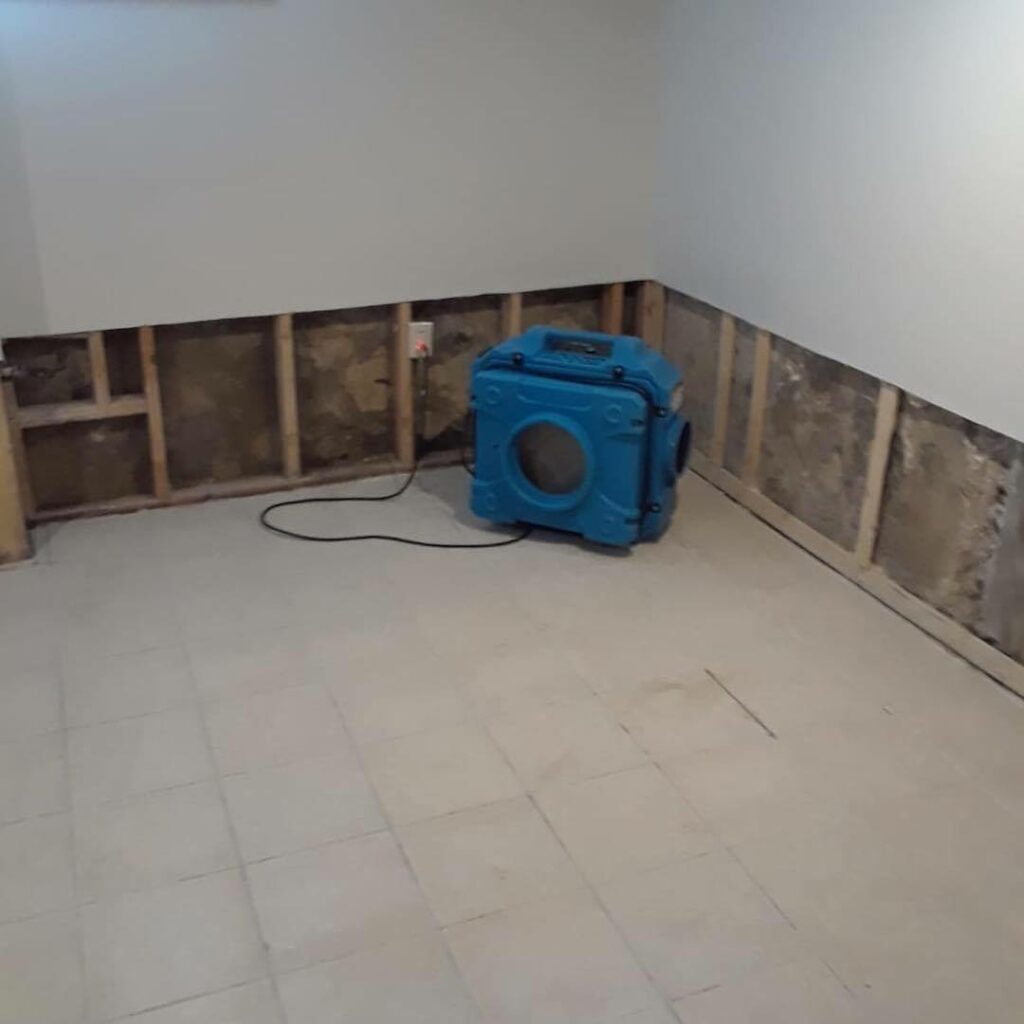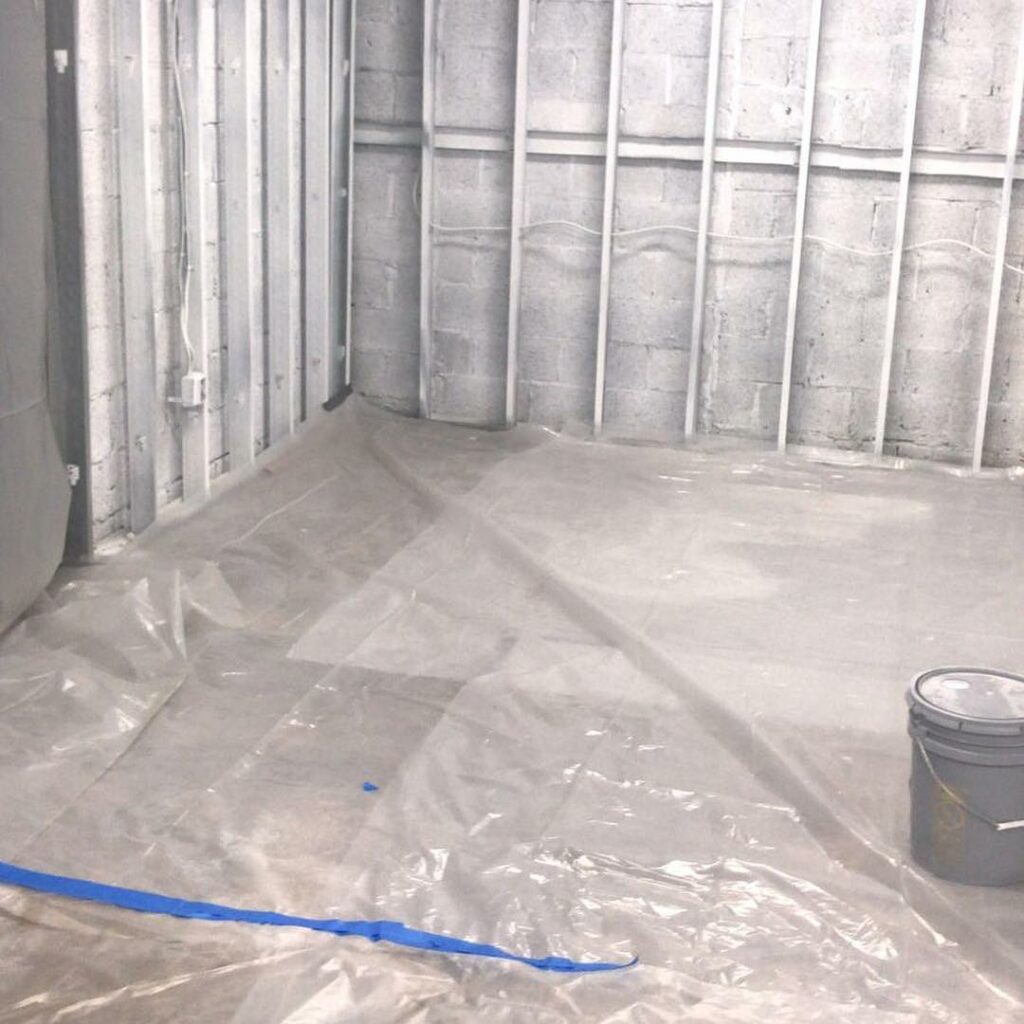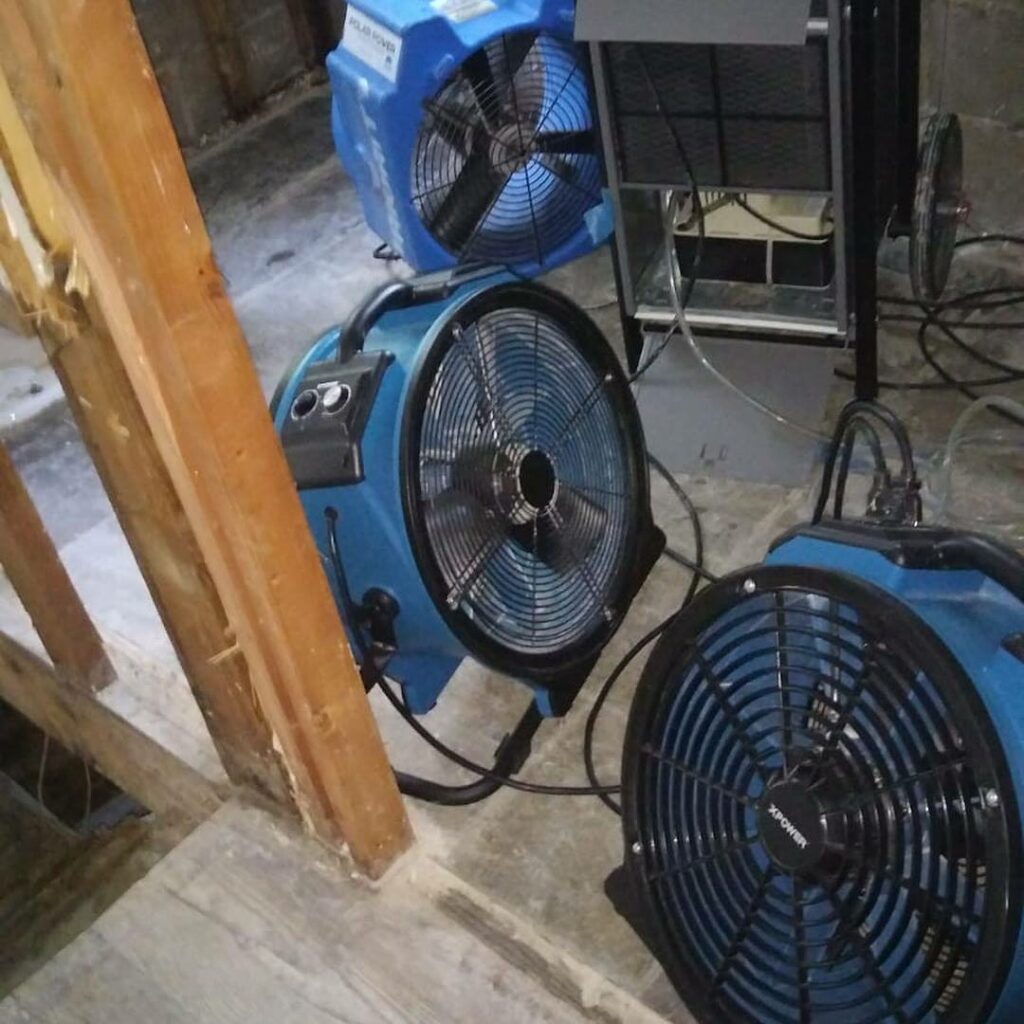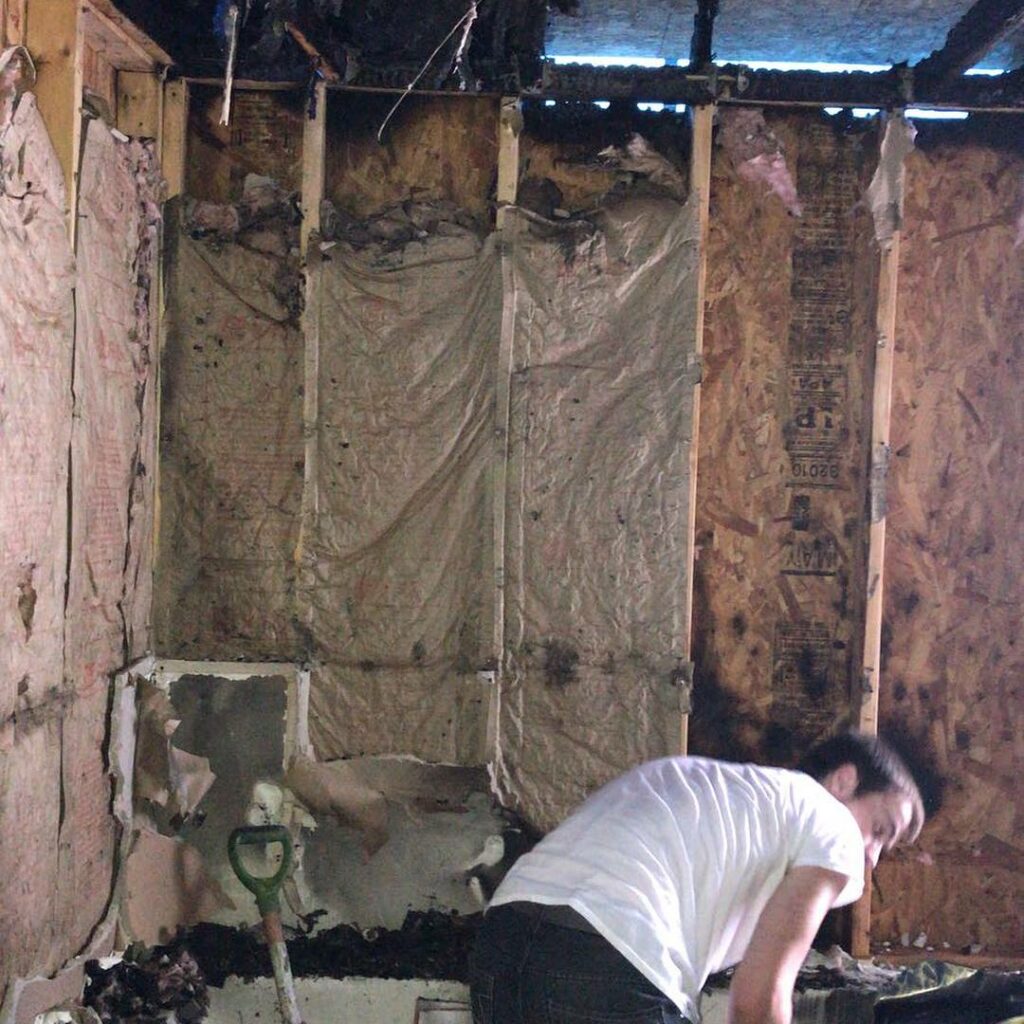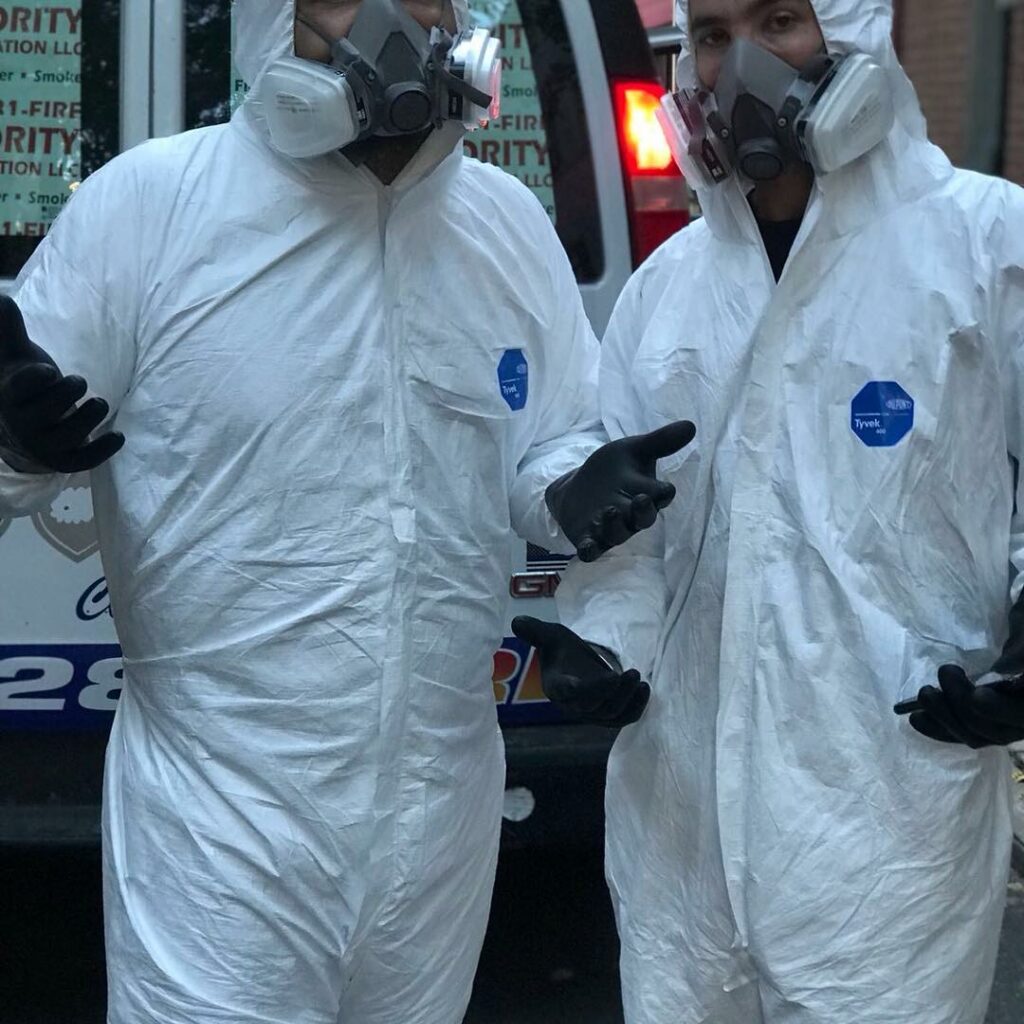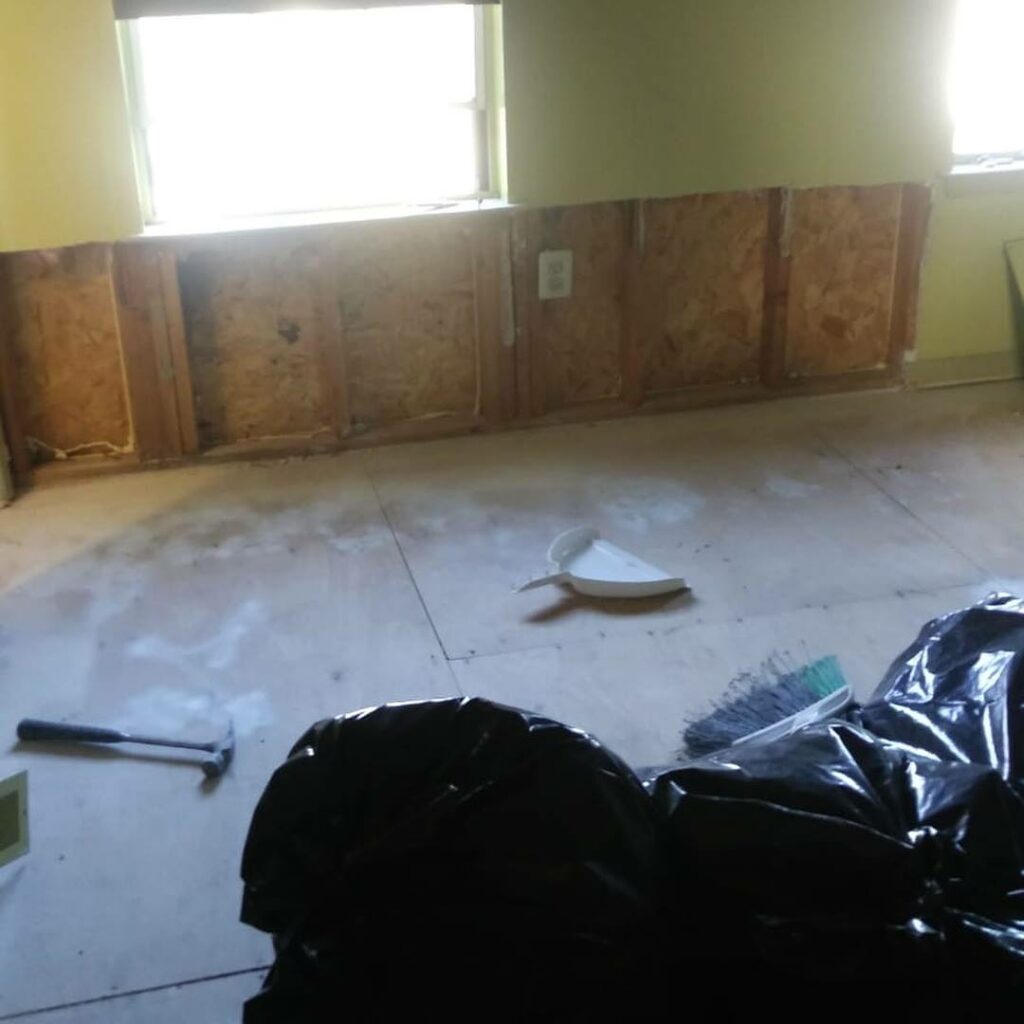
When dealing with mold, you need a reliable and local team of Philly damage restoration experts in your corner. We've restored 100s of properties, both residential and commercial, in the Philly area and we're ready to come out and help you 24/7.
We're certified, insured, and work with all insurance companies. We understand how overwhelming it can be dealing with unexpected damage so let us assist you with your claim so you can focus on getting your life back on track.

Request a Free Estimate
or call (445) 234-4123
By submitting the form, you agree to our Terms of Service and Privacy Policy.
Philadelphia Attic Mold Removal Company
Attic mold is often a sign that moisture is entering or accumulating inside the upper portion of a home. A leaking roof, inadequate ventilation, condensation, plumbing problems, or improperly installed insulation can all create conditions that allow mold to grow on roof sheathing, rafters, insulation, and other attic materials.
For Philadelphia homeowners, attic mold can be particularly challenging in older properties. Philadelphia's housing stock includes large numbers of brick row homes, historic townhouses, twins, duplexes, and older single-family homes. Aging roofs, older ventilation systems, and previous renovations can create opportunities for moisture to become trapped in attic spaces.
Professional attic mold removal focuses on more than cleaning visible mold. The moisture source needs to be identified and corrected, affected materials evaluated, and the attic properly dried and remediated when necessary.
What Causes Mold in an Attic?
Mold needs moisture to grow. An attic that stays dry and properly ventilated is much less likely to develop a mold problem.
Common causes of attic mold include:
- Roof leaks
- Damaged or missing shingles
- Failed roof flashing
- Poor attic ventilation
- Blocked soffit vents
- Inadequate ridge ventilation
- Bathroom exhaust fans venting into the attic
- Kitchen exhaust fans venting into the attic
- Excess indoor humidity
- Condensation on roof sheathing
- Improperly installed insulation
- Plumbing leaks from pipes passing through the attic
- Ice dams and roof-related water intrusion
The EPA identifies moisture control as one of the most important factors in preventing indoor mold growth. If water enters a building or materials remain damp, the moisture needs to be corrected and affected materials dried as quickly as possible. (epa.gov)
Mold on Attic Roof Sheathing
Roof sheathing is one of the most common places to find attic mold.
Roof sheathing sits directly beneath the roofing materials and can become damp when moisture enters through a roof leak. It can also become wet from condensation when warm, humid air from the living space reaches a cold roof surface.
Mold may appear as:
- Dark discoloration
- Black or brown spotting
- Green or gray patches
- Fuzzy growth
- Staining around roof penetrations
The appearance of mold does not reliably identify its species. Dark-colored mold should not automatically be assumed to be "toxic black mold."
If mold is widespread across roof sheathing, the source of moisture should be investigated before attempting to clean the affected area.
Can a Roof Leak Cause Attic Mold?
Yes. Roof leaks are a common cause of attic mold.
Water can enter through damaged shingles, flashing, valleys, vents, chimneys, skylights, or other roof penetrations.
A roof leak may not produce an obvious ceiling stain inside the home. Water can travel along rafters or roof sheathing before reaching the interior.
Signs of a roof-related attic moisture problem include:
- Water stains on roof sheathing
- Damp insulation
- Darkened wood
- Mold around roof penetrations
- Wet rafters
- Ceiling stains in rooms below
- Musty odors
If the roof leak is repaired but wet or contaminated materials remain, mold may continue to grow.
Can Poor Attic Ventilation Cause Mold?
Yes. Poor ventilation can contribute to attic moisture and condensation.
Attics need appropriate airflow to help control temperature and moisture. When warm, humid air becomes trapped, it can condense on cold roof surfaces.
Common ventilation problems include:
- Blocked soffit vents
- Insufficient intake ventilation
- Inadequate exhaust ventilation
- Covered ventilation openings
- Improperly installed insulation
- Bathroom fans venting into the attic
An attic exhaust fan is not necessarily a solution to every ventilation problem. The appropriate ventilation system depends on the home's design, roof configuration, insulation, and existing ventilation.
Bathroom Fans Can Cause Attic Mold
One particularly important source of attic moisture is a bathroom exhaust fan that vents into the attic instead of outdoors.
Every time someone takes a hot shower, humid air is produced. If that air is discharged into the attic, moisture can accumulate on roof sheathing and insulation.
Over time, this can contribute to:
- Condensation
- Damp insulation
- Mold growth
- Wood deterioration
- Musty odors
Bathroom and kitchen exhaust systems should be properly vented outdoors rather than into enclosed attic spaces.
Mold on Attic Insulation
Attic insulation can become contaminated when it is exposed to water or persistent condensation.
Common causes include:
- Roof leaks
- Plumbing leaks
- Condensation
- Improper ventilation
- Exhaust fans venting into the attic
Some insulation materials can be difficult to clean once they become heavily contaminated or saturated with water.
Depending on the type and condition of the insulation, professional assessment may determine that removal and replacement is more appropriate than attempting to clean it.
Attic Mold in Philadelphia Row Homes
Philadelphia row homes have several characteristics that can make attic moisture problems difficult to identify.
Many row homes have:
- Shared or closely connected structures
- Older roofing systems
- Masonry walls
- Small attic spaces
- Finished upper floors
- Previous roof repairs
- Limited access to roof and attic areas
A roof leak may remain hidden for some time, especially when the attic is difficult to access.
In a Philadelphia row home, mold near a party wall, chimney, roof penetration, or exterior wall may require careful investigation to determine where the moisture is entering.
Attic Mold in Historic Philadelphia Homes
Historic Philadelphia properties can present additional challenges.
Older homes may have undergone multiple roof replacements, renovations, insulation upgrades, and ventilation modifications over their lifetimes.
Potential problems include:
- Aging roof assemblies
- Improperly added insulation
- Blocked ventilation paths
- Old flashing
- Masonry deterioration
- Previous water damage
- Unusual roof configurations
A mold problem in a historic home should be approached carefully because removing or disturbing older building materials can introduce additional concerns.
Is Attic Mold Dangerous?
Mold exposure can cause health symptoms in some people.
The CDC reports that exposure to mold can cause symptoms such as nasal congestion, sore throat, coughing, wheezing, eye irritation, and skin irritation. People with mold allergies or asthma may experience stronger reactions. (cdc.gov)
However, the presence of attic mold does not automatically mean that occupants are being exposed to dangerous levels of mold.
Attics are often separated from living areas, which can limit direct exposure. However, attic mold can still be a concern if contaminated materials are disturbed, if the attic is connected to the home's air-handling system, or if mold particles can enter occupied areas.
If an HVAC system is suspected of being contaminated, it should be evaluated before continued operation. The EPA advises against operating HVAC systems known or suspected to be contaminated with mold because they may spread mold throughout a building. (epa.gov)
How to Prevent Attic Mold
The best attic mold prevention strategy is moisture control.
Inspect the Roof Regularly
Look for:
- Missing shingles
- Damaged flashing
- Cracked sealant
- Damaged roof vents
- Leaks around chimneys
- Deteriorated roofing materials
Roof problems should be repaired promptly.
Keep Attic Ventilation Clear
Make sure soffit and other ventilation openings are not blocked by insulation or debris.
Proper airflow can help reduce condensation.
Check Bathroom Exhaust Fans
Make sure bathroom exhaust fans discharge outdoors.
They should not release warm, humid air directly into an attic.
Control Indoor Humidity
Excess indoor humidity can contribute to attic condensation.
Using appropriate ventilation and humidity control throughout the home can help reduce moisture entering the attic.
Inspect After Heavy Rain
Philadelphia can experience heavy rainfall and storms that expose weaknesses in roofing systems.
After significant storms, inspect accessible attic areas for:
- Damp wood
- Water stains
- Wet insulation
- Musty odors
Address Water Damage Quickly
If a roof leak occurs, repair the source and dry affected materials as soon as possible.
Delaying repairs can allow moisture to remain trapped in insulation and wood.
How Is Attic Mold Removed?
The appropriate method depends on the extent of the mold and the materials affected.
A professional attic mold remediation process may include:
1. Identify the Moisture Source
The first priority is determining why the attic became damp.
Potential sources include roof leaks, condensation, ventilation problems, and exhaust fans.
2. Assess the Affected Materials
The attic may contain:
- Roof sheathing
- Rafters
- Trusses
- Insulation
- Ductwork
- Wiring
- Stored belongings
Each material may require a different approach.
3. Control the Contaminated Area
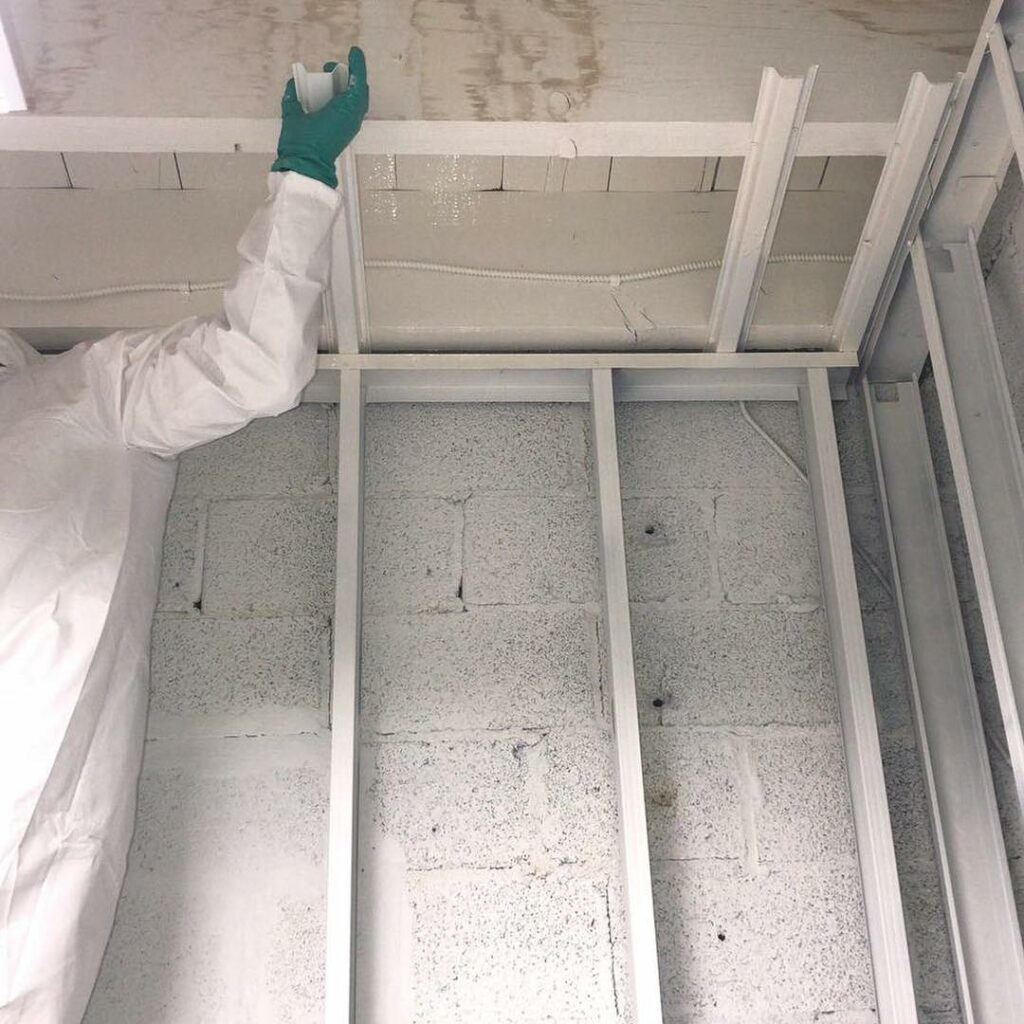
For larger problems, appropriate containment measures may be used to limit the spread of mold particles during remediation.
4. Remove Unsalvageable Materials
Heavily contaminated or water-damaged insulation and other porous materials may need to be removed.
5. Clean Affected Surfaces
Wood and other salvageable materials can sometimes be professionally cleaned using appropriate remediation methods.
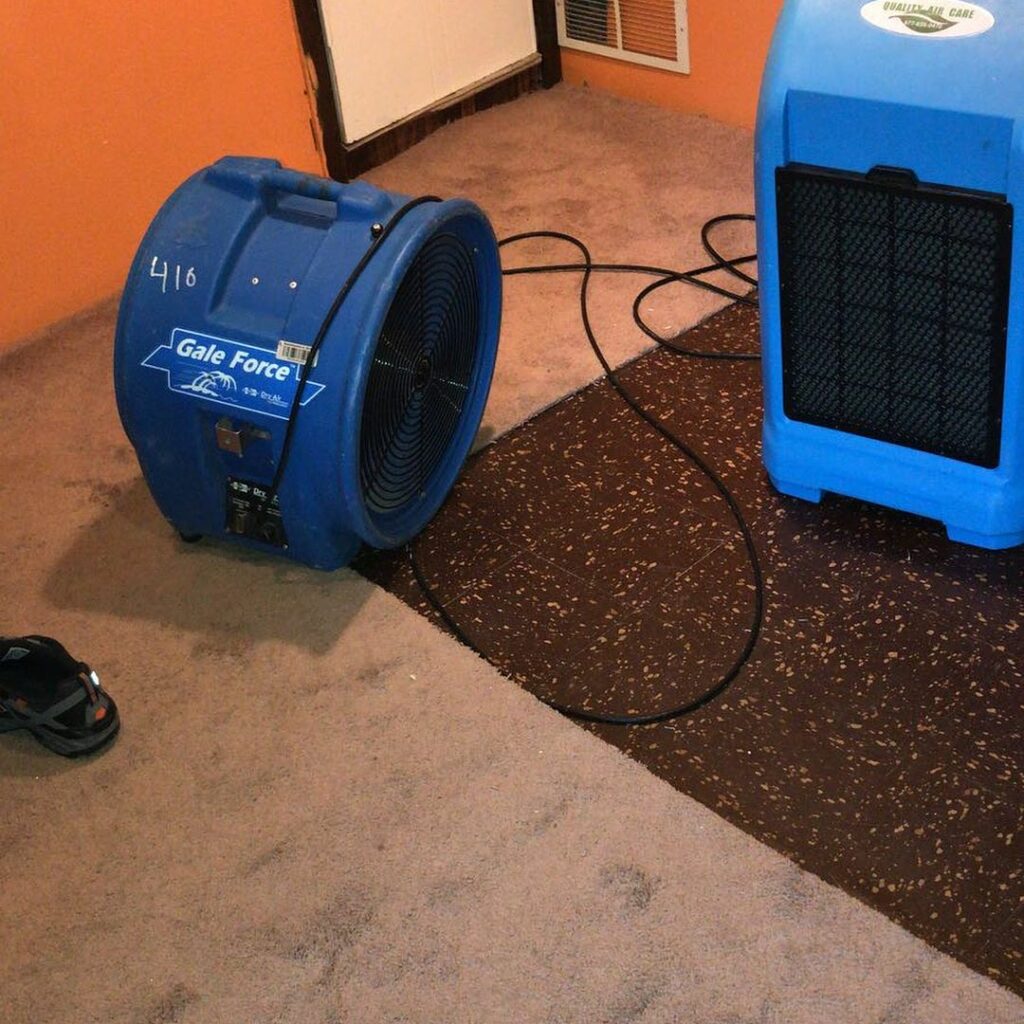
6. Dry the Attic
Moisture must be removed before the remediation process is considered complete.
7. Correct the Underlying Problem
Roof repairs, ventilation improvements, or other moisture-control measures may be necessary to prevent mold from returning.
Can You Remove Attic Mold Yourself?
Small areas of surface mold may sometimes be manageable, but attic mold can be difficult to safely address because of limited access, insulation, electrical wiring, and contaminated materials.
Professional assessment is especially appropriate when:
- Mold covers a large area
- Roof sheathing is extensively affected
- Insulation is contaminated
- Mold keeps returning
- There has been significant water damage
- The moisture source is unknown
- HVAC equipment may be affected
- The attic is difficult or unsafe to access
The EPA recommends that homeowners consider professional help for larger mold problems and situations involving significant water damage or complex contamination. (epa.gov)
Attic Mold Removal vs. Attic Waterproofing and Roof Repair
Removing attic mold and fixing the roof are two separate parts of the solution.
If a damaged roof is allowing water into the attic, mold remediation alone will not prevent the problem from returning.
The process may therefore involve several different professionals.
For example:
Roofing problem → roof repair
Attic moisture → ventilation or moisture correction
Mold contamination → mold remediation
Damaged insulation → removal and replacement
Addressing each part of the problem helps reduce the chance of recurring mold.
When Should You Call a Professional Attic Mold Remediation Company?
Professional help may be appropriate when attic mold is extensive, recurring, or associated with significant water damage.
Consider professional evaluation if you notice:
- Extensive dark staining on roof sheathing
- Mold covering multiple rafters
- Wet or contaminated insulation
- Persistent musty odors
- Evidence of a long-term roof leak
- Mold returning after cleaning
- Moisture around HVAC equipment
- Water damage following a major storm
A professional can help determine the extent of the problem and whether affected materials can be cleaned or need replacement.
Attic Mold and Philadelphia Weather
Philadelphia experiences humid summers, cold winters, and periods of heavy rainfall. These seasonal changes can put additional stress on roofing and attic ventilation systems.
During summer, humid outdoor air can increase moisture levels in poorly ventilated attics.
During winter, warm indoor air can migrate into an attic and condense on cold roof surfaces.
Heavy rain and storms can also expose weaknesses in roofing systems.
These seasonal conditions make regular roof and attic inspections particularly valuable for Philadelphia homeowners.
Attic Mold Removal in Philadelphia
Attic mold can begin with a small roof leak, poor ventilation, or condensation problem and eventually spread across roof sheathing, insulation, and wood framing.
Philadelphia homes—including brick row homes, historic townhouses, twins, duplexes, and older single-family houses—can have unique attic configurations and moisture challenges. Older roofing systems and previous renovations can make it difficult to determine where moisture is coming from.
Philly Damage Restoration provides professional attic mold removal and mold remediation services throughout Philadelphia and surrounding areas. The company helps homeowners and businesses address mold caused by roof leaks, water damage, condensation, ventilation problems, and other moisture issues.
With 24/7 emergency service, Philly Damage Restoration can respond when roof leaks, storms, or other water emergencies create conditions where mold may develop.
How can I prevent attic mold in my Philadelphia home?
Maintain the roof, keep attic ventilation clear, make sure bathroom and kitchen exhaust fans vent outdoors, control indoor humidity, and address leaks and water damage quickly.
Does Philly Damage Restoration remove attic mold?
Yes. Philly Damage Restoration provides attic mold removal and mold remediation services throughout Philadelphia and surrounding areas, including emergency assistance related to water damage.
Professional Attic Mold Removal in Philadelphia
Attic mold is usually a moisture problem first and a mold problem second. Cleaning the visible growth without fixing the roof leak, ventilation problem, or condensation issue can allow mold to return.
Philly Damage Restoration provides 24/7 mold remediation and water damage restoration services in Philadelphia. Our team can help identify moisture-related damage, address affected materials, and restore areas affected by mold and water intrusion.
Whether your property is a Philadelphia row home, historic townhouse, twin, duplex, or single-family home, prompt attention to attic moisture can help prevent a small problem from becoming a larger restoration project.
Philadelphia Attic Mold Removal and Remediation Services
When it comes to mold, we've seen it all.

Mold Damage Repair
Mold damage repair involves comprehensive restoration efforts to address the aftermath of mold infestations, aiming to restore affected areas to their pre-damage condition through thorough cleaning, structural repairs, and preventive measures to inhibit future mold growth.
Black Mold Removal
Black mold removal is a specialized process aimed at eradicating the presence of toxic black mold, typically requiring professional intervention due to its hazardous nature. This meticulous procedure involves containment, thorough removal of affected materials, and stringent sanitation to ensure the elimination of spores and prevent recurrence.
Mold Remediation
Mold remediation encompasses the systematic approach to address mold infestations, focusing on containment, removal, and sanitation to restore indoor air quality and safeguard the health of occupants. It involves comprehensive assessments, targeted interventions, and preventive measures to mitigate mold proliferation and associated risks.
Mold Mitigation
Frequently Asked Questions About Attic Mold Removal in Philly
Common causes include roof leaks, poor ventilation, condensation, excessive indoor humidity, and bathroom or kitchen exhaust fans venting into the attic.
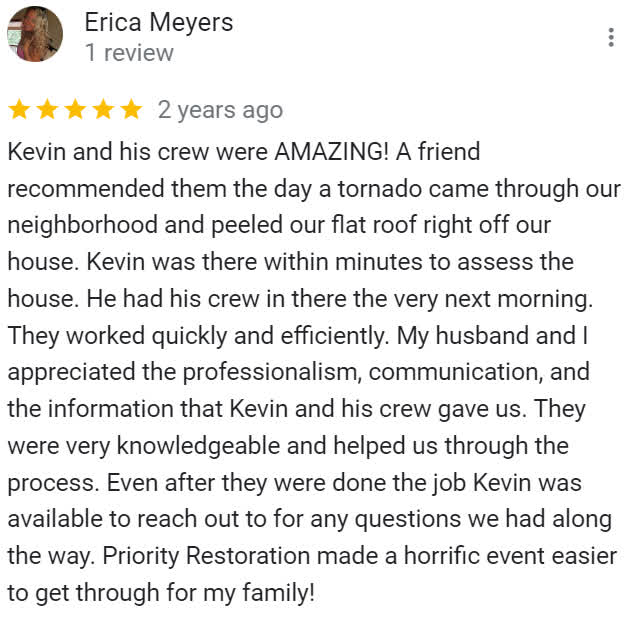
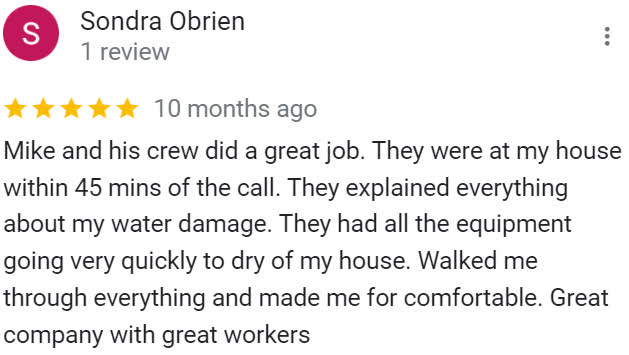
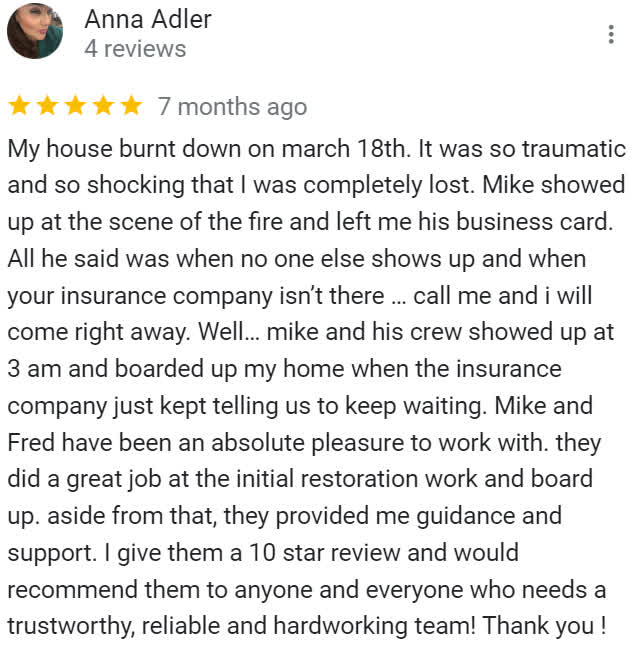
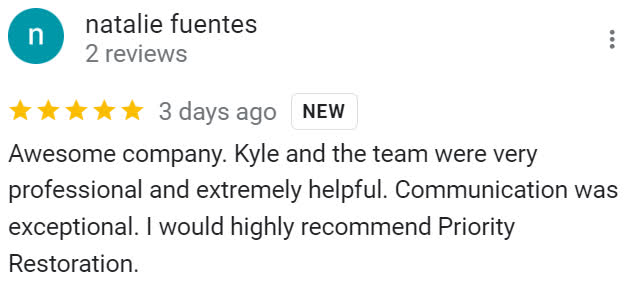
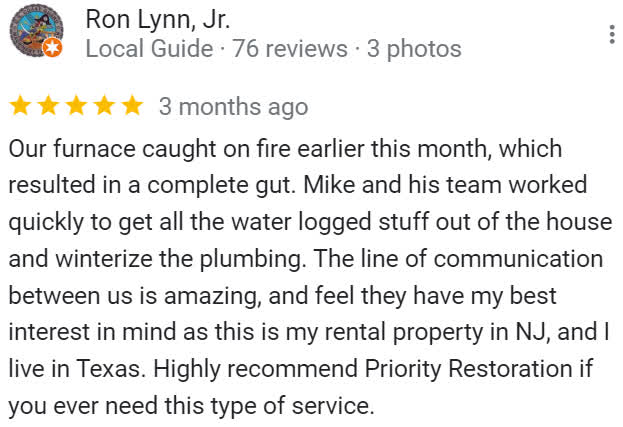
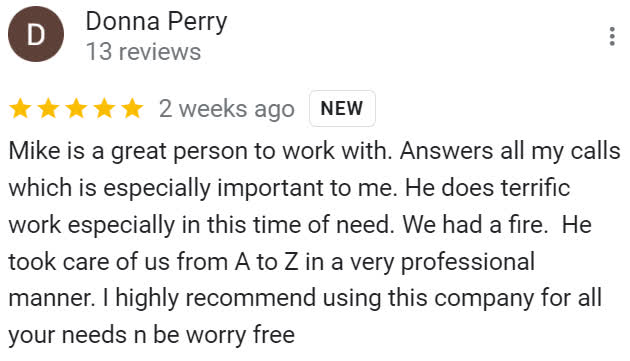
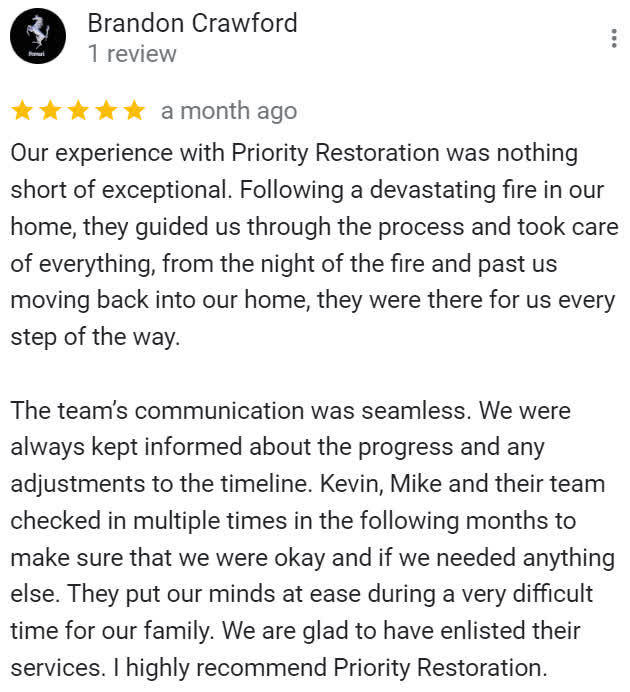
We Go The Extra Mile For Our Customers
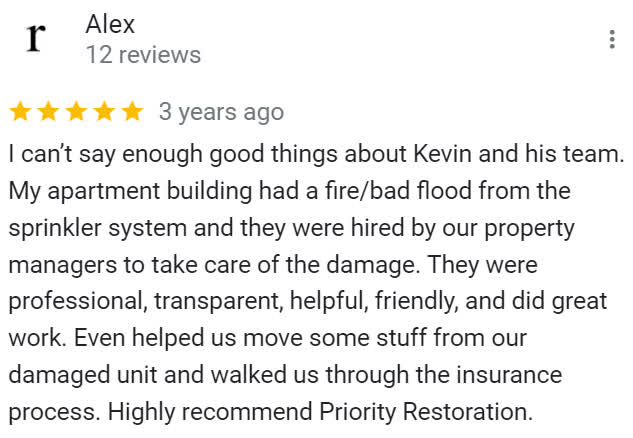
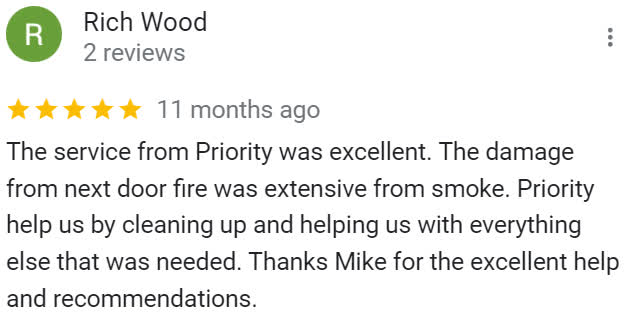
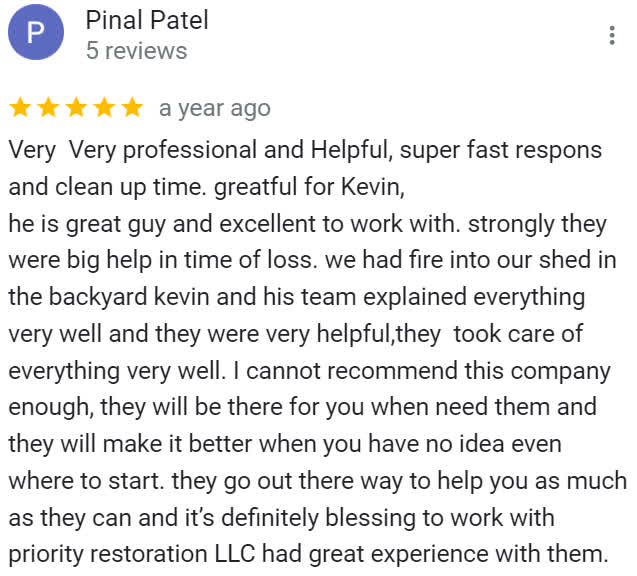
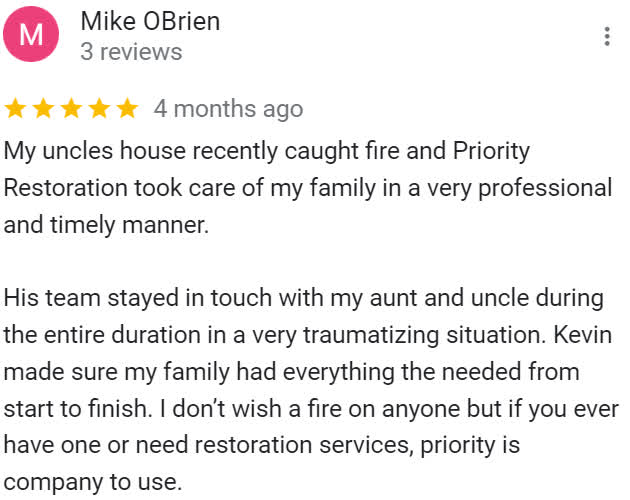
Recent Jobs