When dealing with mold, you need a reliable and local team of Philly damage restoration experts in your corner. We've restored 100s of properties, both residential and commercial, in the Philly area and we're ready to come out and help you 24/7.
We're certified, insured, and work with all insurance companies. We understand how overwhelming it can be dealing with unexpected damage so let us assist you with your claim so you can focus on getting your life back on track.

Request a Free Estimate
or call (445) 234-4123
By submitting the form, you agree to our Terms of Service and Privacy Policy.
Philadelphia Basement Mold Removal Company
Basements are one of the most common areas in a home for mold growth to develop. Unlike many rooms above ground, basements are naturally more vulnerable to moisture because they are surrounded by soil, concrete, plumbing systems, and areas where water can collect.
For Philadelphia homeowners, basement mold can be an ongoing problem. Many homes in the area—including brick row homes, older twin homes, historic properties, and converted basements—were built decades ago when modern moisture-control methods were not always used. Aging foundations, older plumbing, poor drainage, and heavy rain events can all contribute to basement moisture problems.
Professional basement mold removal involves more than cleaning visible mold. A complete solution requires identifying the source of moisture, addressing water damage, removing affected materials when necessary, and preventing future mold growth.
What Causes Mold in Basements?
Mold requires moisture, oxygen, and a food source to grow. Basements often provide ideal conditions because they contain many materials mold can use, including wood, drywall, insulation, cardboard, carpet, and stored belongings.
Common causes of basement mold include:
- Basement flooding
- Foundation leaks
- Cracks in basement walls or floors
- Poor drainage around the foundation
- High humidity levels
- Condensation on cold surfaces
- Leaking pipes
- Sump pump failures
- Water heater leaks
- Washing machine supply line leaks
- Poor basement ventilation
- Wet insulation
- Improperly sealed windows
- Stormwater intrusion
A basement does not need to be completely flooded for mold to develop. Small amounts of repeated moisture, such as condensation or minor leaks, can create enough dampness for mold growth.
The EPA identifies moisture control as the most important factor in preventing and controlling indoor mold problems. Fixing water issues and drying wet materials quickly can help prevent mold from spreading. (epa.gov)
Why Basements Are Prone to Mold Growth
Basements naturally have several characteristics that make mold more likely.
High Humidity
Basements are typically cooler than the rest of the home. When warm, humid air enters the basement, moisture can condense on concrete walls, pipes, floors, and other cold surfaces.
Over time, repeated condensation can create an environment where mold can grow.
Limited Airflow
Many basements have less ventilation than above-ground rooms. Closed windows, limited air circulation, and unused spaces can allow moisture levels to increase.
Porous Building Materials
Many basement materials absorb and retain moisture, including:
- Drywall
- Wood framing
- Insulation
- Carpet
- Cardboard storage boxes
- Fabric furniture
Once these materials become damp, mold can begin growing inside them.
Common Places Mold Grows in Basements
Basement mold can appear in many locations, including areas that are difficult to see.
Mold on Basement Walls
Basement walls are one of the most common areas where mold appears.
Concrete itself does not provide much food for mold, but dirt, dust, paint coatings, drywall, wood framing, and organic materials on the surface can support growth.
Mold on basement walls may be caused by:
- Foundation leaks
- Hydrostatic pressure pushing water through walls
- Poor exterior drainage
- Condensation
- Plumbing leaks
Signs of basement wall moisture problems include:
- White powdery deposits (efflorescence)
- Dark stains
- Peeling paint
- Cracks
- Damp spots
- Musty odors
If mold repeatedly appears on the same section of a basement wall, the moisture source should be investigated.
Mold on Basement Floors
Basement floors can develop mold after flooding, leaks, or prolonged humidity.
Common problem areas include:
- Carpet over concrete
- Finished basement flooring
- Area rugs
- Storage materials sitting directly on the floor
Philadelphia homes with older basements may have uneven floors, aging drainage systems, or foundation issues that allow water to collect.
Standing water or repeated dampness should be addressed quickly because flooring materials can trap moisture underneath.
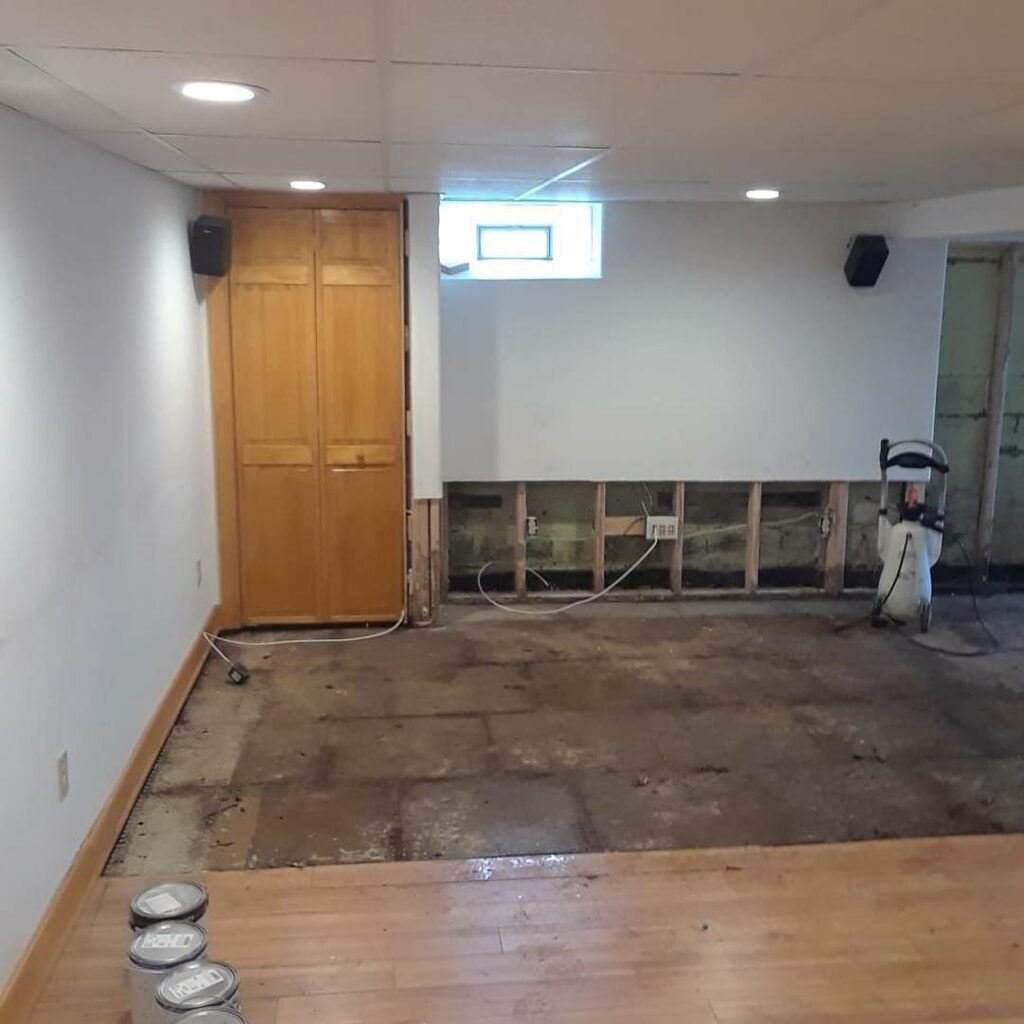
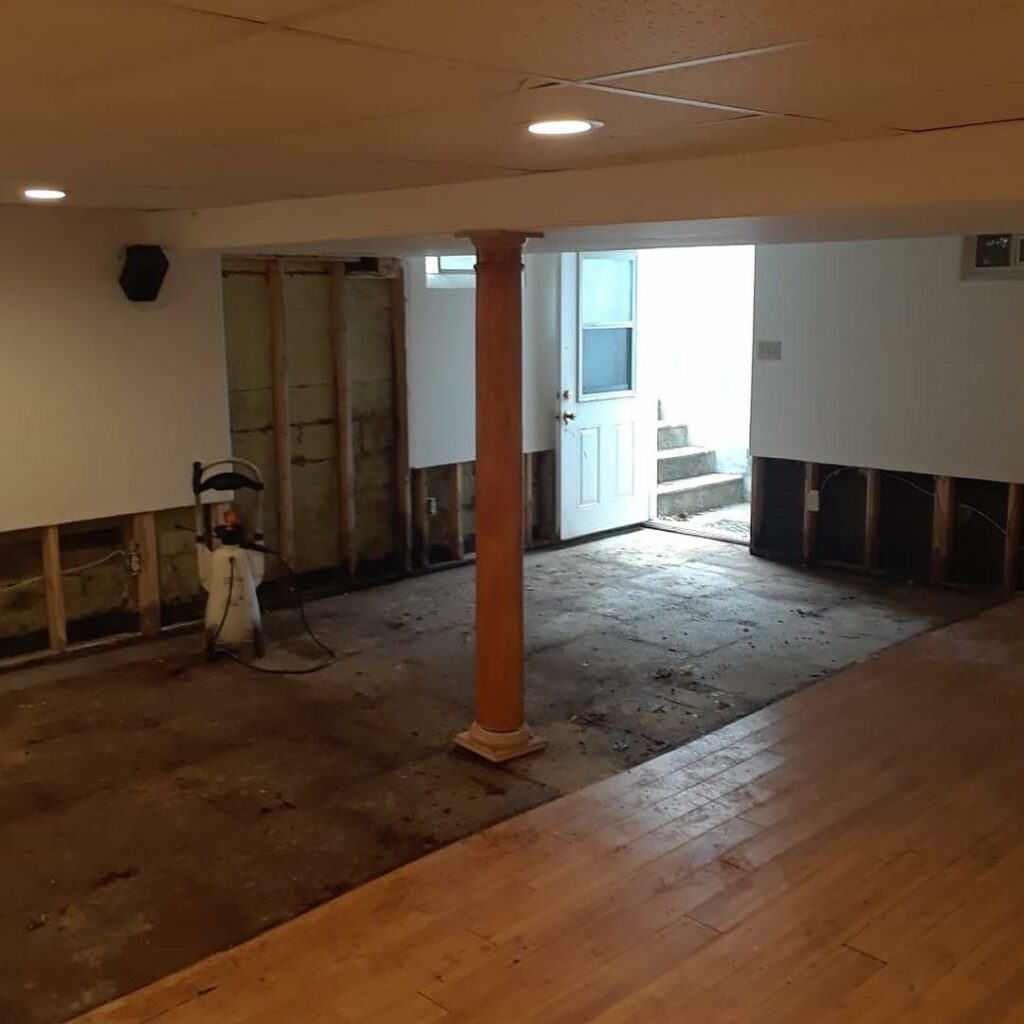
Mold Behind Basement Walls
Hidden mold is one of the more serious basement mold issues.
Finished basements often contain drywall, insulation, and framing materials that can hide moisture problems.
Water from foundation leaks, plumbing issues, or exterior drainage problems may enter behind walls before visible damage appears.
Warning signs of hidden basement mold include:
- Persistent musty odors
- Warped drywall
- Peeling paint
- Soft walls
- Staining
- Increased allergy symptoms
- Mold returning after cleaning
Removing visible mold without addressing moisture behind the wall may allow the problem to continue.
Mold on Basement Insulation
Basement insulation can become contaminated after water intrusion.
Insulation is difficult to dry once it becomes wet, especially when located inside wall cavities.
Common causes include:
- Foundation leaks
- Flooding
- Plumbing leaks
- Condensation
- Poor basement ventilation
Wet insulation may need to be removed and replaced depending on the extent of contamination.
Mold Around Water Heaters and Furnaces
Mechanical rooms in basements are another common location for moisture problems.
Water heaters, HVAC equipment, and pipes can leak or create condensation.
Look for:
- Rust or corrosion
- Water stains
- Damp flooring
- Musty smells
- Mold growth nearby
A small leak near mechanical equipment can create ongoing moisture that encourages mold growth.
Is Basement Mold Dangerous?
Mold exposure affects people differently depending on their sensitivity, allergies, and existing respiratory conditions.
The CDC states that exposure to mold can cause symptoms such as stuffy nose, sore throat, coughing, wheezing, itchy or burning eyes, and skin irritation. People with asthma or mold allergies may have stronger reactions. (cdc.gov)
Basement mold can also be concerning because basements often contain HVAC equipment. If mold contamination reaches air-handling systems, particles may potentially spread throughout other areas of the home.
The EPA advises against operating HVAC systems when you know or suspect the system is contaminated with mold because it may spread mold throughout the building. (epa.gov)
It is also important to remember that mold color does not determine whether it is dangerous. Black-colored mold is not automatically "toxic black mold," and mold species cannot be identified by appearance alone.
Philadelphia Basement Mold Problems
Philadelphia has many homes with basements because of the city's long history of residential construction. However, many older properties were built before current waterproofing practices and modern moisture-control standards.
Common basement issues in Philadelphia include:
- Aging foundations
- Older plumbing systems
- Basement seepage
- Combined sewer overflow concerns
- Heavy rainfall events
- Poor exterior drainage
- Limited basement ventilation
Philadelphia row homes often have basements directly below living areas, making basement moisture problems especially important to address.
Heavy storms can also increase basement flooding risks. The City of Philadelphia has highlighted stormwater management challenges due to intense rainfall events and aging infrastructure. (phila.gov)
When water enters a basement, the damage may extend beyond visible flooding. Moisture can become trapped behind walls, beneath flooring, and inside stored materials, creating conditions where mold can grow.
How to Prevent Basement Mold
Preventing basement mold starts with controlling moisture.
Keep Humidity Levels Under Control
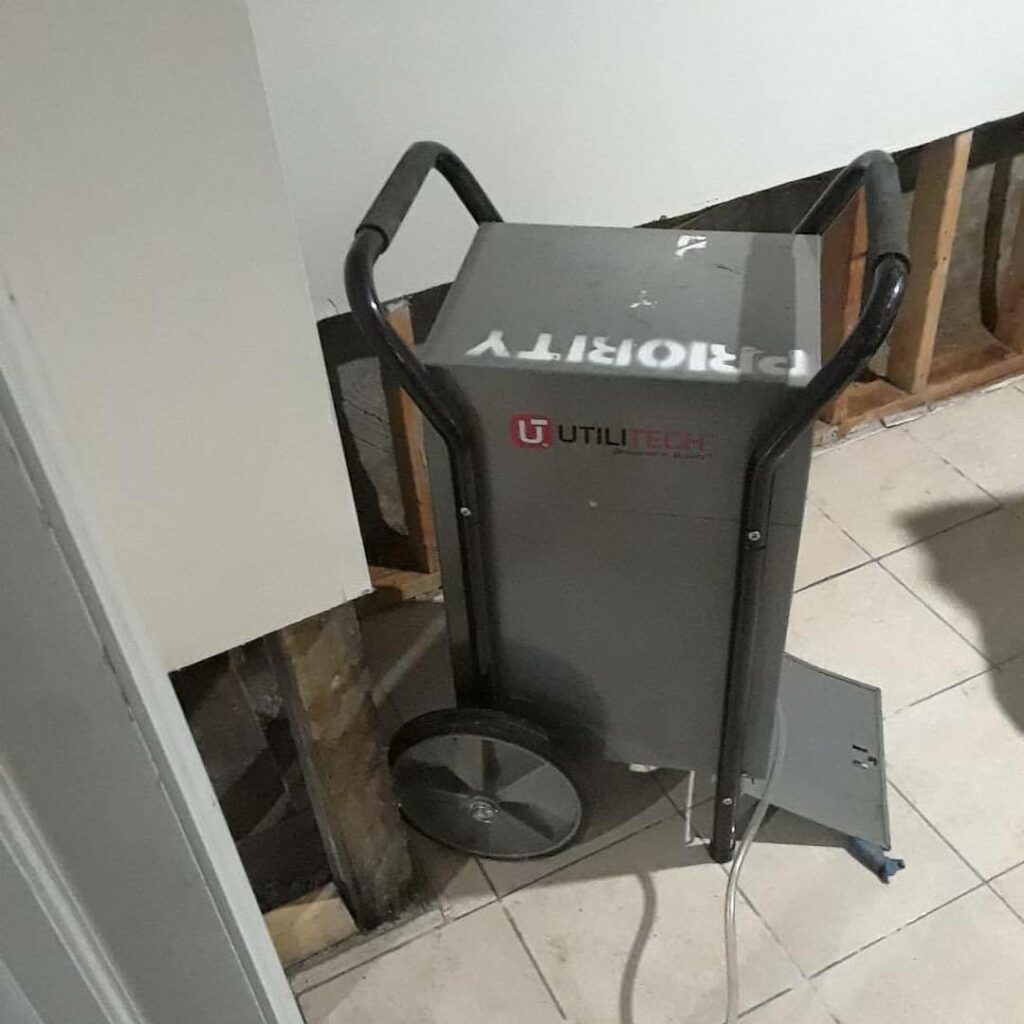
A dehumidifier can help reduce basement moisture, especially during Philadelphia's humid summer months.
Monitoring humidity levels can help identify whether the basement environment is too damp.
Repair Foundation Leaks
Cracks, seepage, and water intrusion around foundation walls should be repaired.
Exterior drainage improvements may also help prevent water from reaching basement walls.
Maintain Gutters and Downspouts
Poor drainage around a home can contribute to basement moisture.
Make sure:
- Gutters are clean
- Downspouts direct water away from the foundation
- Soil slopes away from the home
Inspect Plumbing Regularly
Check basement plumbing for:
- Slow leaks
- Corrosion
- Loose connections
- Water stains
Small leaks can create long-term moisture problems.
Avoid Storing Items Directly on Basement Floors
Cardboard boxes and stored materials can absorb moisture and encourage mold growth.
Use plastic storage containers and keep items elevated when possible.
Improve Basement Ventilation
Better airflow can help reduce condensation and moisture buildup.
Finished basements may require additional ventilation or moisture-control solutions.
Address Flooding Immediately
After a basement flood, quick action is critical.
The longer materials remain wet, the greater the chance of mold growth.
Water-damaged materials may need professional drying, cleaning, or removal depending on the type and extent of damage.
Basement Mold Removal Process
The proper approach to basement mold removal depends on the size of the problem, the type of materials affected, and the source of moisture.
A professional basement mold remediation process may include:
1. Moisture Assessment
The first step is identifying why the basement became damp.
Possible causes include:
- Foundation leaks
- Plumbing failures
- Flooding
- Condensation
- Drainage problems
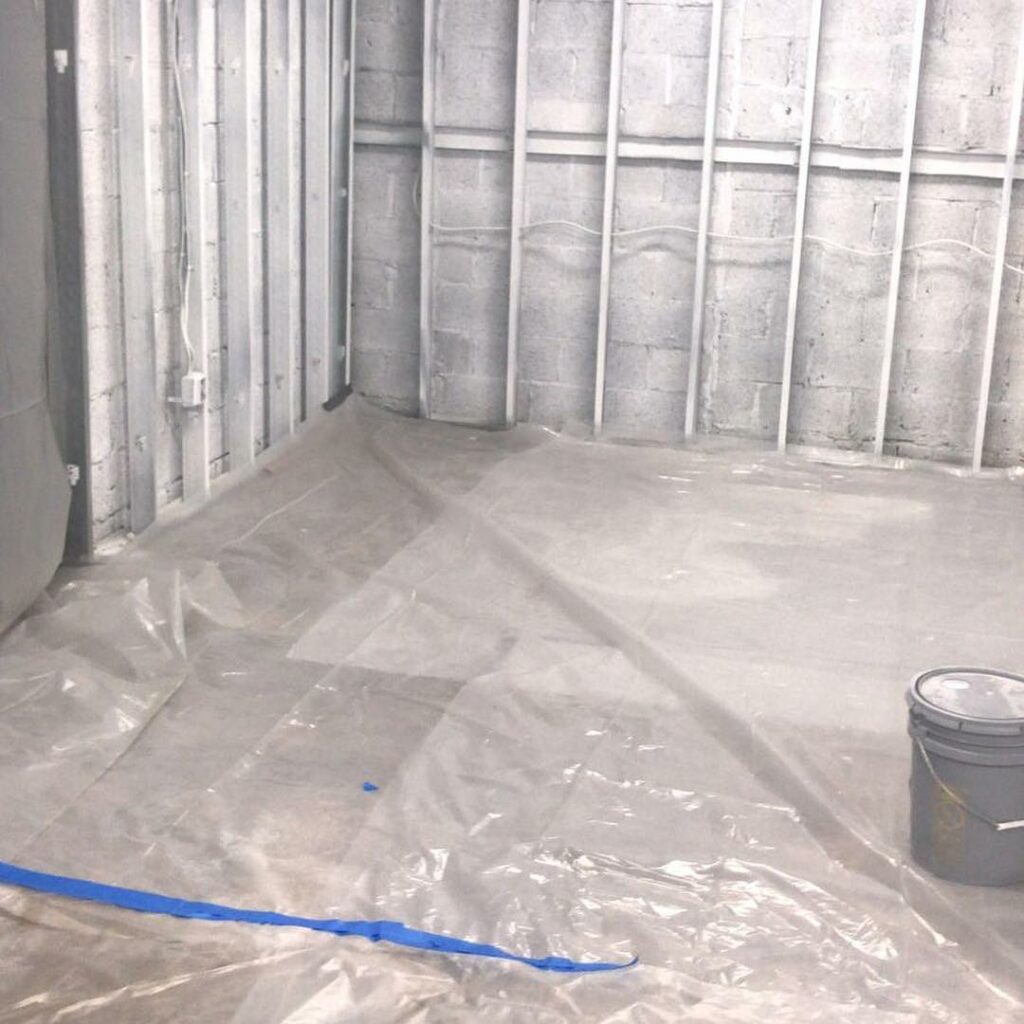
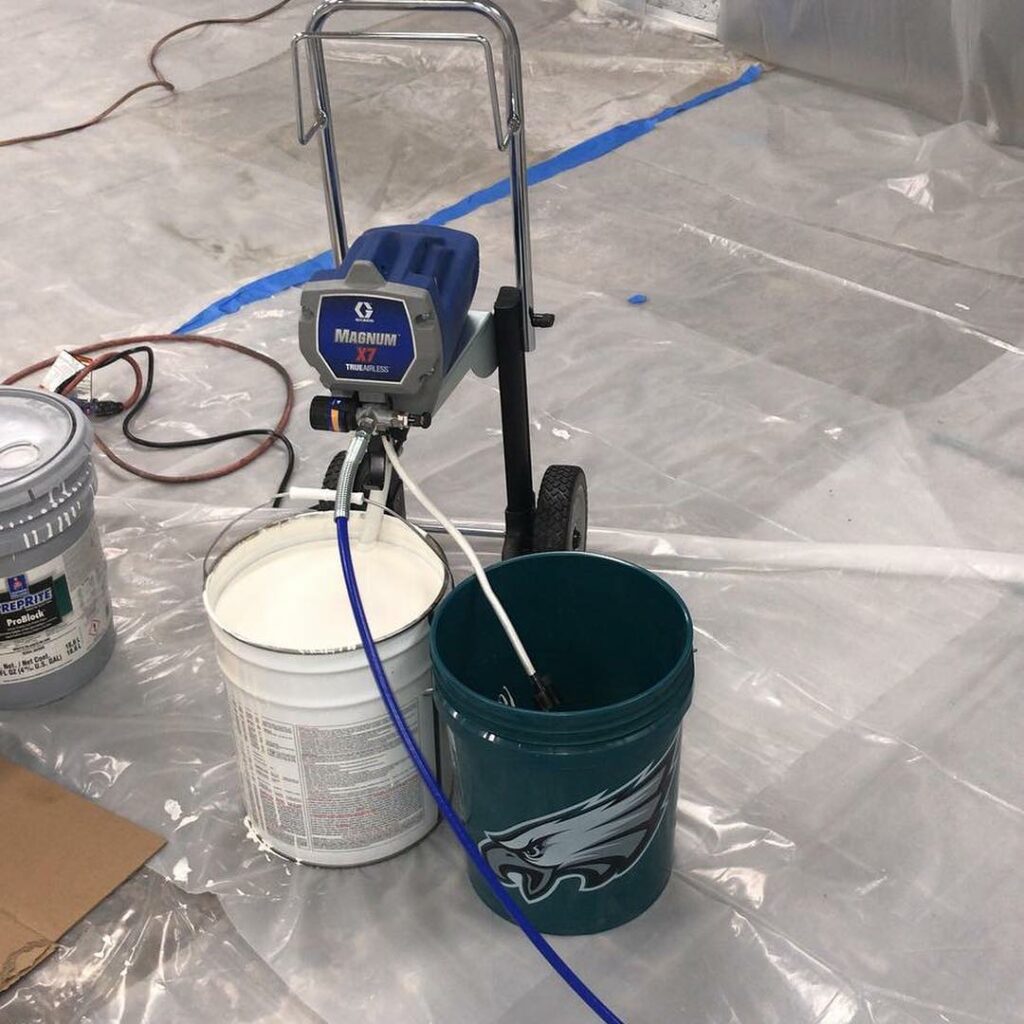
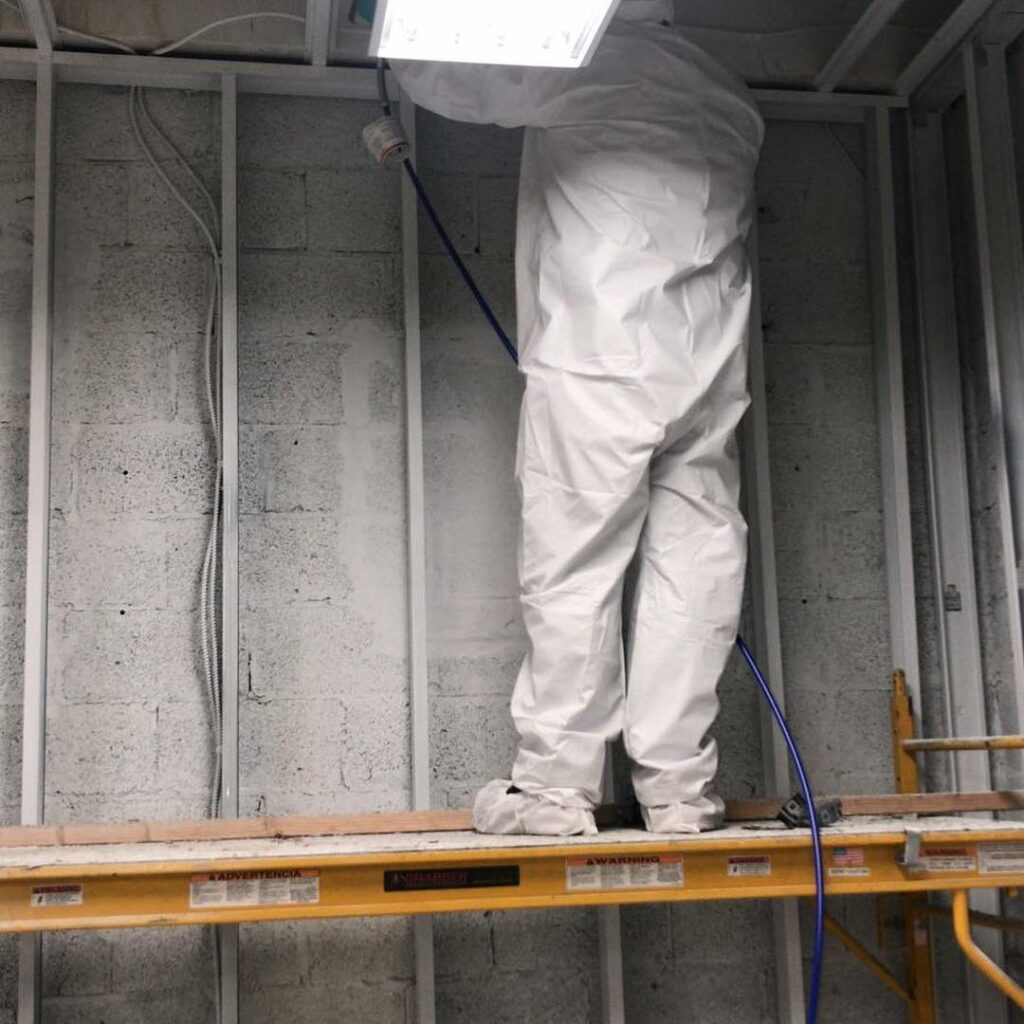
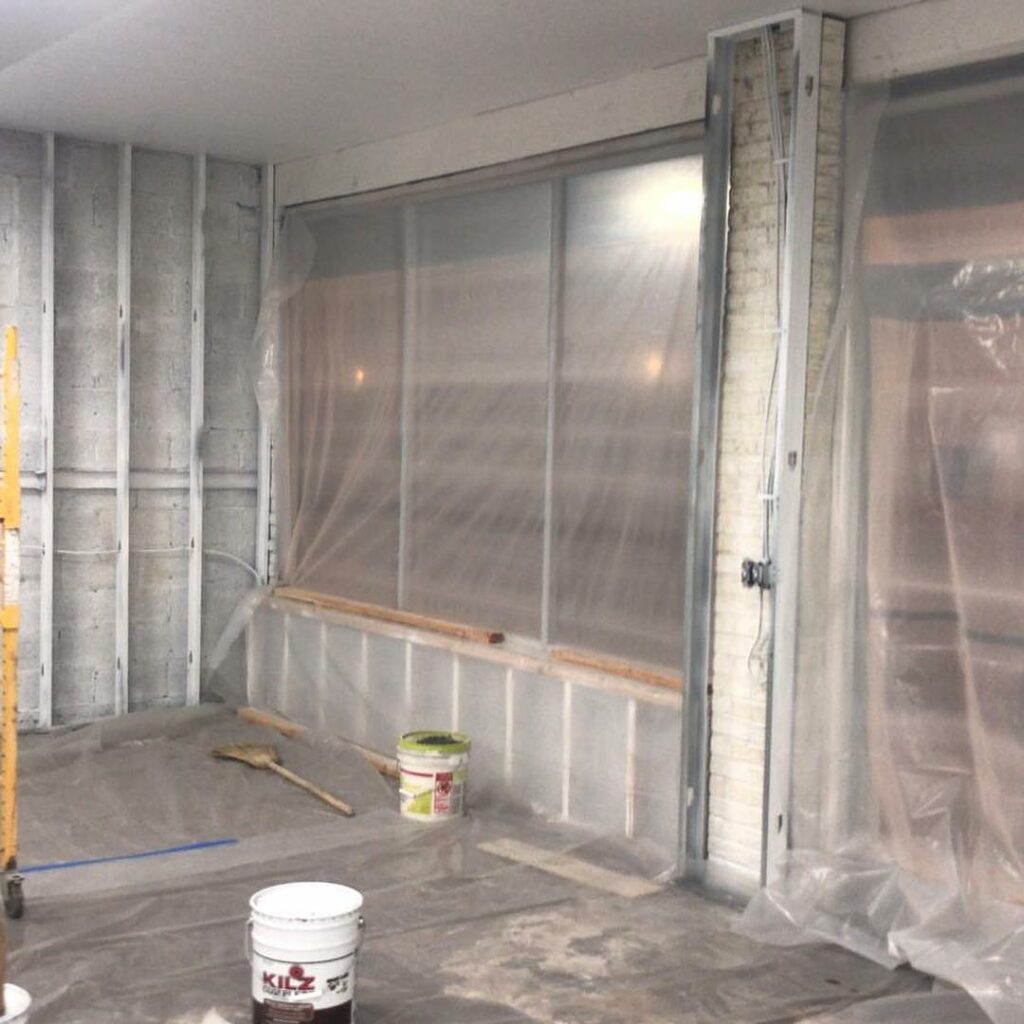
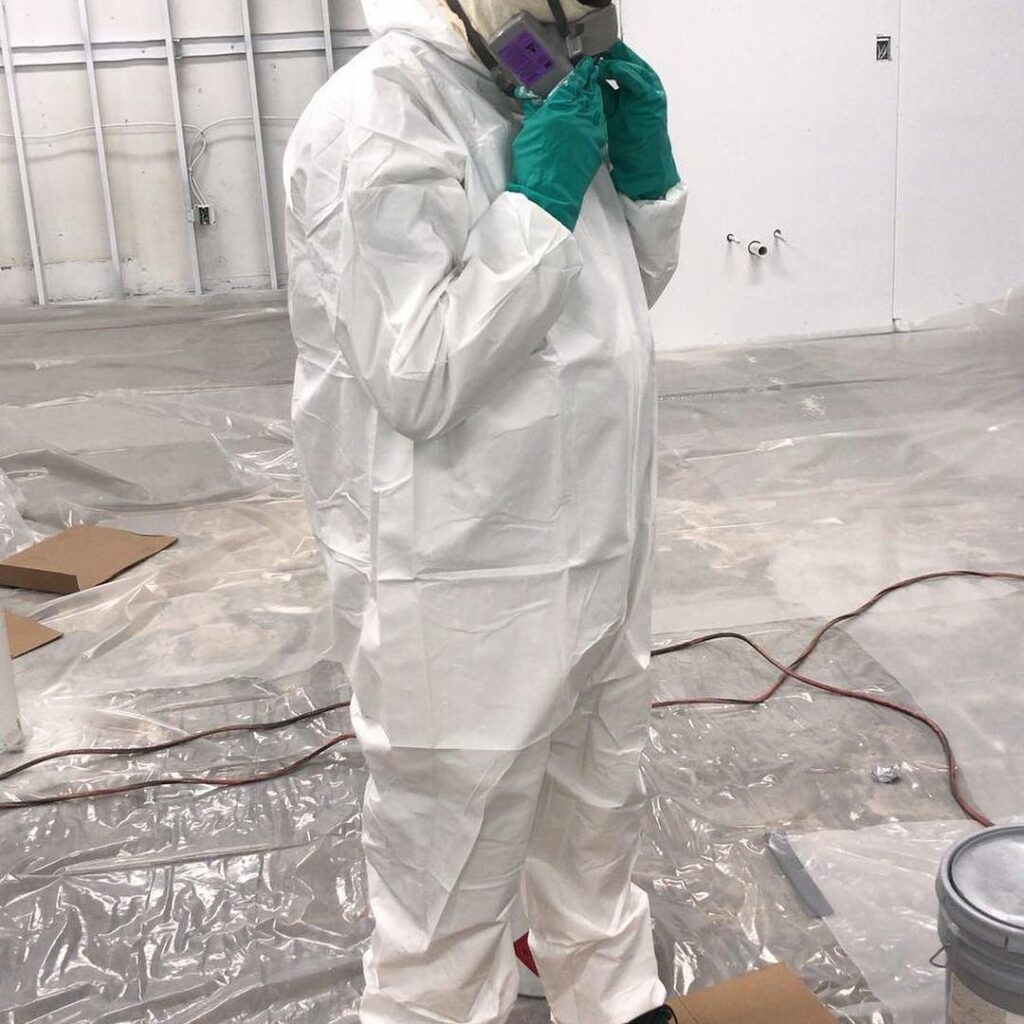
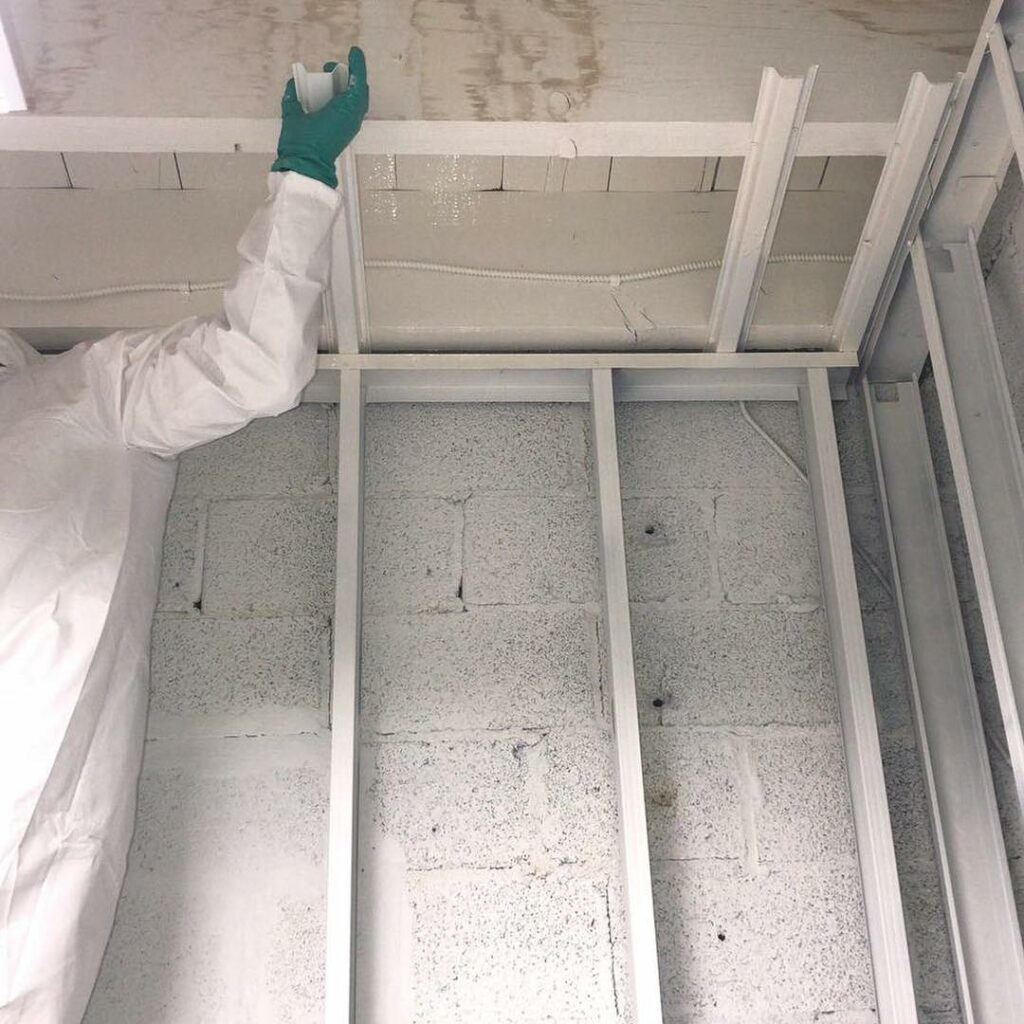
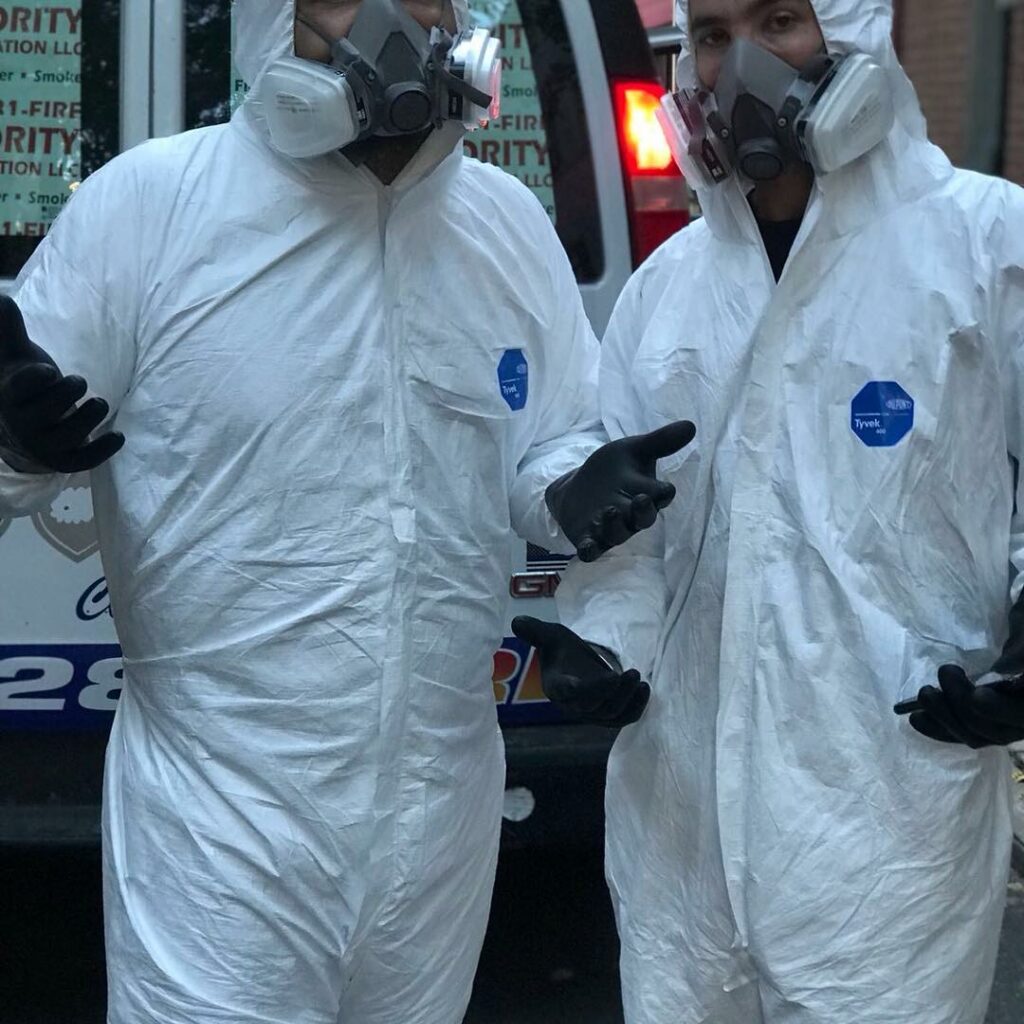
2. Containment
For larger mold problems, affected areas may be contained to reduce the spread of mold particles during cleanup.
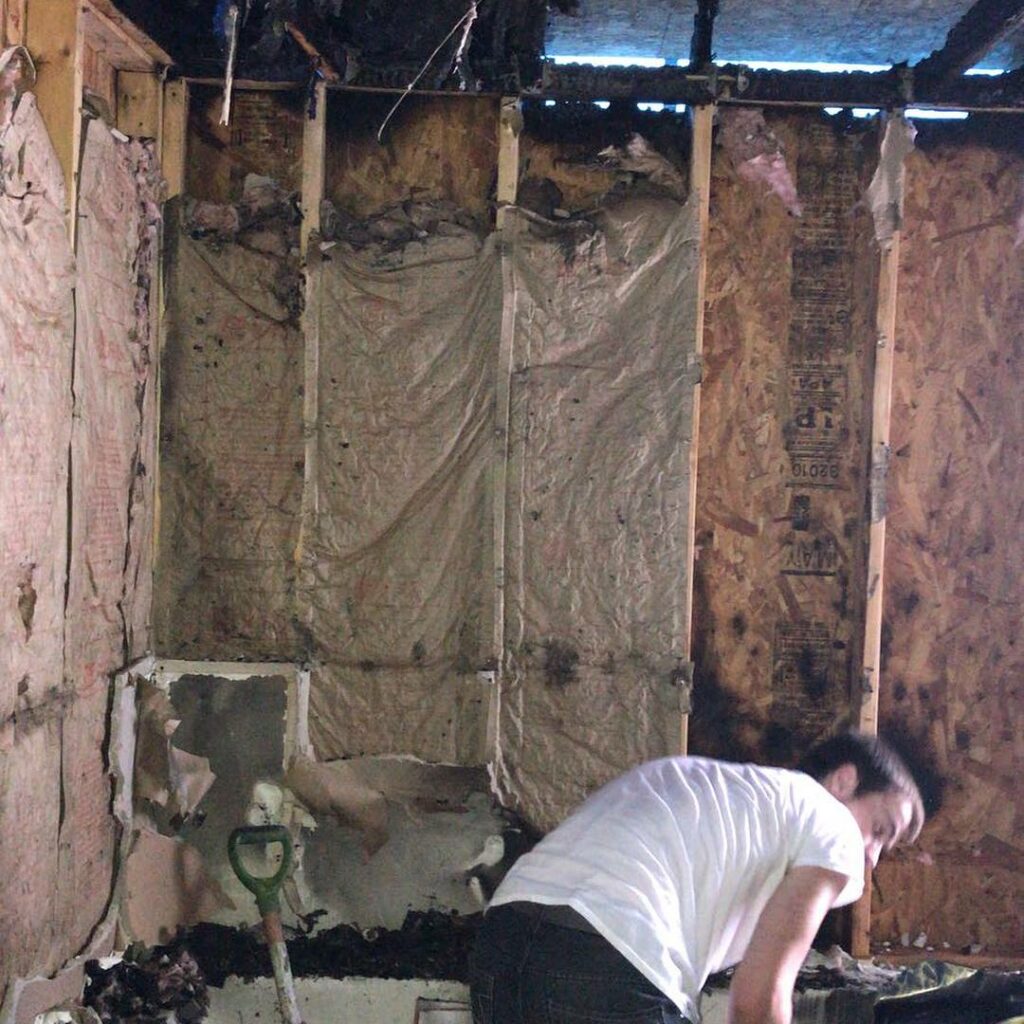
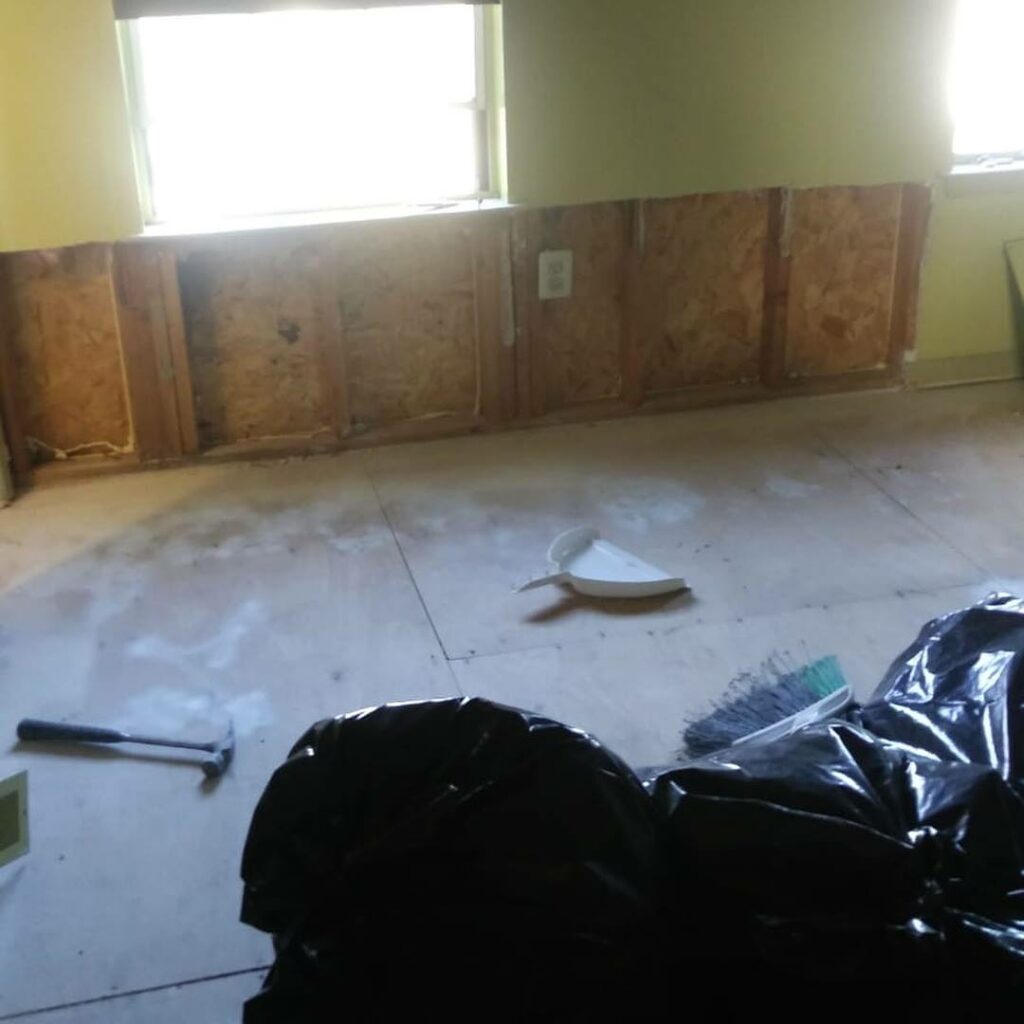
3. Removal of Damaged Materials
Materials that cannot be properly cleaned may need removal, including:
- Mold-damaged drywall
- Wet insulation
- Contaminated carpeting
- Damaged wood materials
4. Cleaning and Treatment
Affected surfaces are cleaned using appropriate remediation methods.
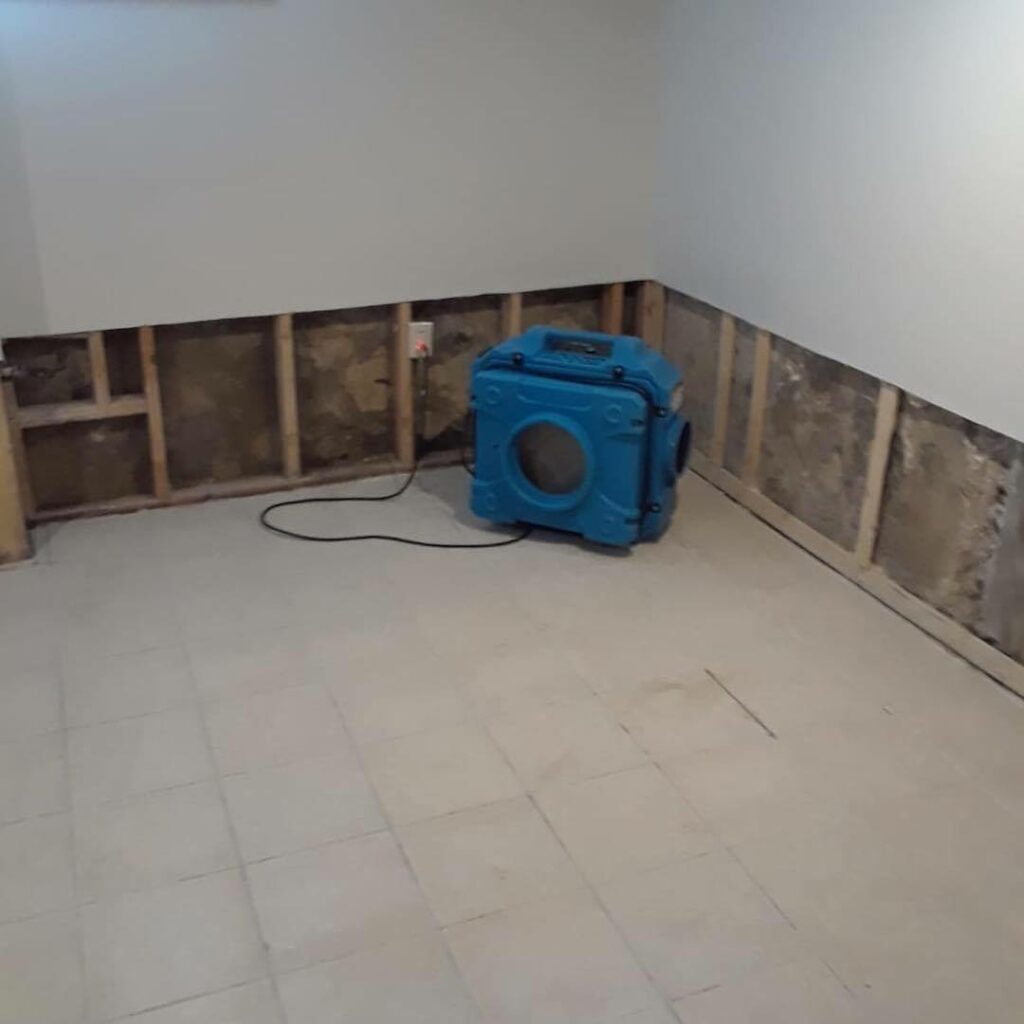
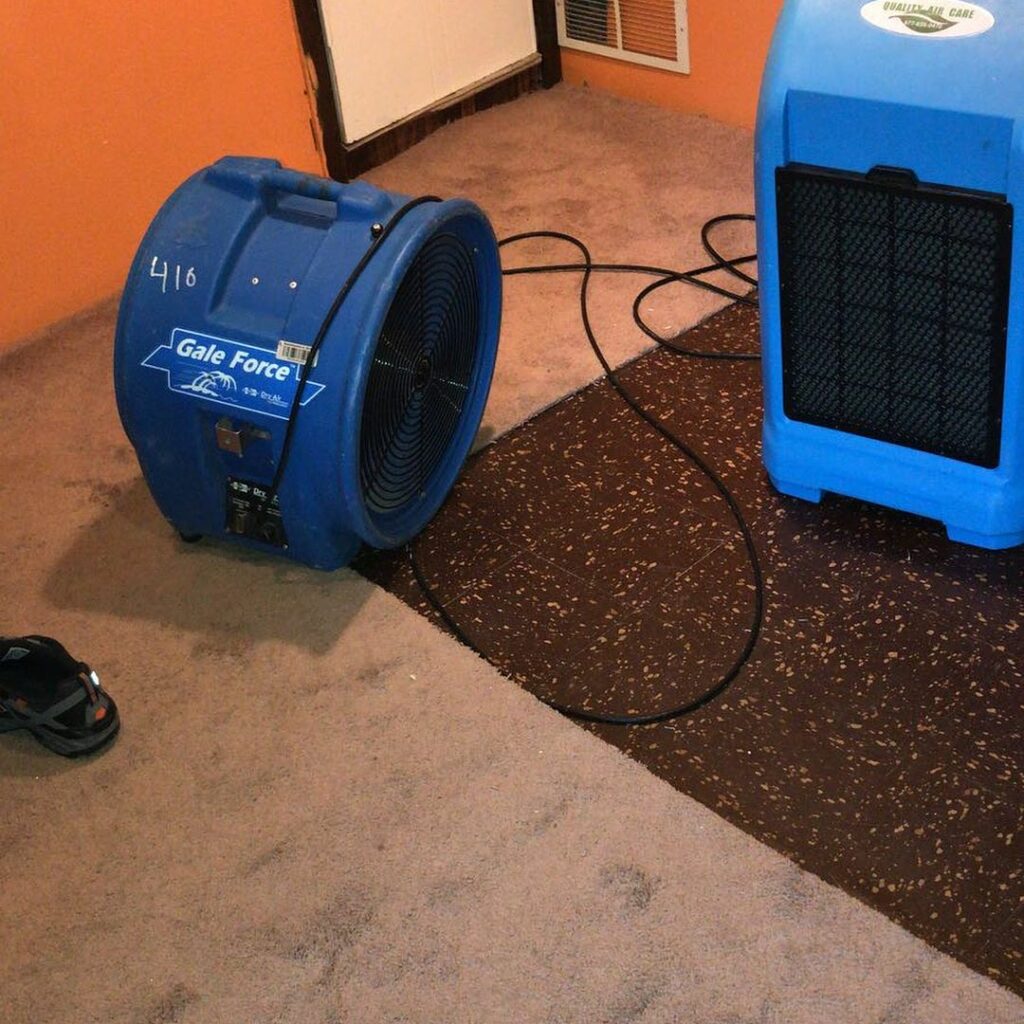
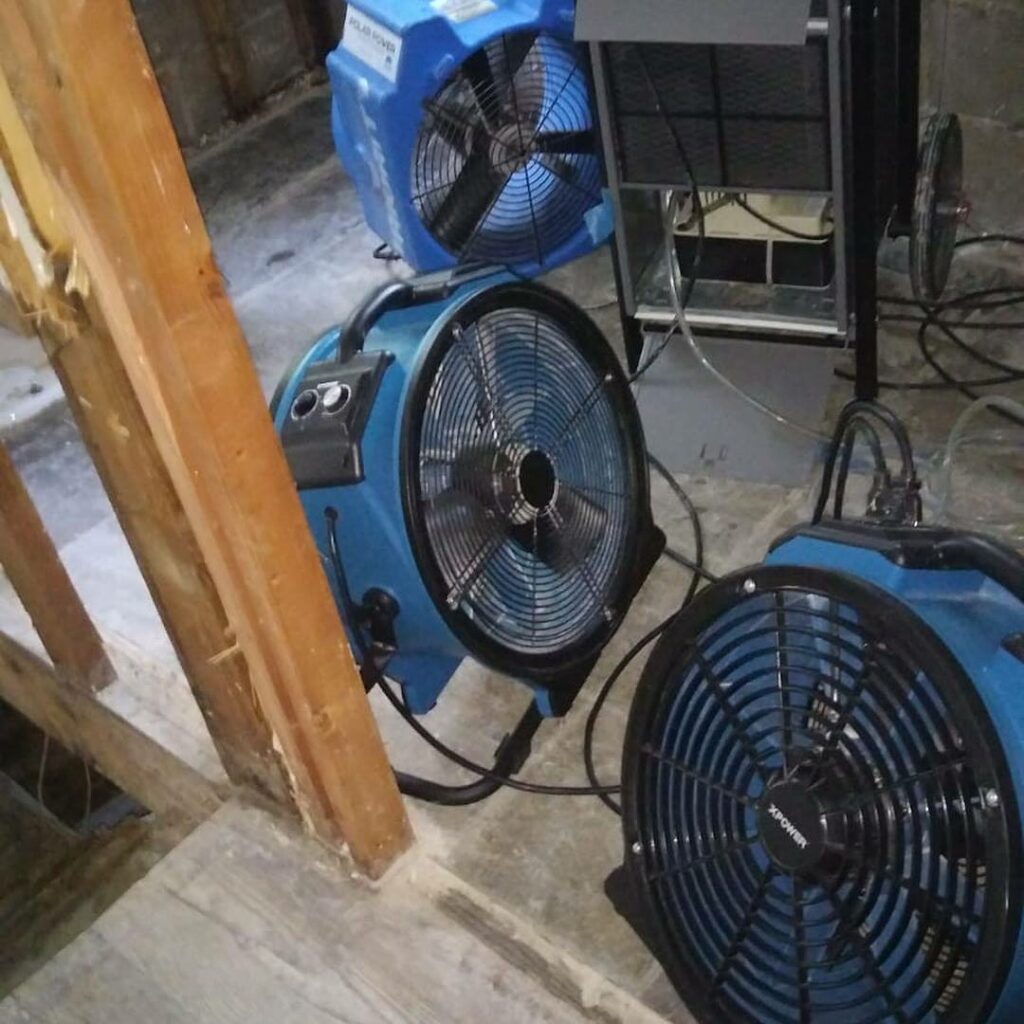
5. Drying and Moisture Control
The basement must be thoroughly dried and the moisture source corrected.
Without moisture control, mold can return.
Can You Remove Basement Mold Yourself?
Small areas of surface mold on non-porous materials may sometimes be cleaned by homeowners.
However, professional remediation may be recommended when:
- Mold covers a large area
- Mold is inside walls
- There has been basement flooding
- Insulation is contaminated
- Mold keeps returning
- Sewage or contaminated water was involved
- The moisture source is unknown
Cleaning visible mold without fixing the underlying water problem usually provides only temporary results.
Basement Mold Removal vs. Basement Waterproofing
Basement mold removal and basement waterproofing address different problems.
Basement mold removal focuses on eliminating existing mold contamination.
Basement waterproofing focuses on preventing water intrusion through solutions such as drainage improvements, sealing, sump pumps, and foundation repairs.
Many basement mold problems require both approaches. Removing mold without correcting basement moisture issues increases the chance that mold will return.
When to Call a Philadelphia Mold Remediation Company
You should consider professional basement mold remediation if you notice:
- A persistent musty basement odor
- Visible mold growth
- Mold after flooding
- Water stains
- Damp walls
- Mold returning after cleaning
- Mold behind finished walls
- Large areas of contamination
A professional can help determine the source of moisture, assess the damage, and develop a plan to restore the basement.
Basement Mold Removal in Philadelphia
Basement mold is often a symptom of a larger moisture problem. Whether caused by flooding, foundation leaks, plumbing failures, or humidity, the underlying cause must be addressed to prevent recurring mold growth.
Philadelphia homeowners face unique basement challenges due to older construction, aging infrastructure, and seasonal weather conditions. Taking action quickly after water damage can help reduce the risk of extensive mold problems.
Philly Damage Restoration provides professional basement mold removal and mold remediation services throughout Philadelphia and surrounding areas. The company helps residential and commercial property owners address mold caused by water damage, leaks, flooding, and moisture problems.
With 24/7 emergency service, Philly Damage Restoration can respond quickly when basement water damage creates conditions where mold may develop.
Philadelphia Basement Mold Removal and Remediation Services
When it comes to mold, we've seen it all.

Mold Damage Repair
Mold damage repair involves comprehensive restoration efforts to address the aftermath of mold infestations, aiming to restore affected areas to their pre-damage condition through thorough cleaning, structural repairs, and preventive measures to inhibit future mold growth.
Black Mold Removal
Black mold removal is a specialized process aimed at eradicating the presence of toxic black mold, typically requiring professional intervention due to its hazardous nature. This meticulous procedure involves containment, thorough removal of affected materials, and stringent sanitation to ensure the elimination of spores and prevent recurrence.
Mold Remediation
Mold remediation encompasses the systematic approach to address mold infestations, focusing on containment, removal, and sanitation to restore indoor air quality and safeguard the health of occupants. It involves comprehensive assessments, targeted interventions, and preventive measures to mitigate mold proliferation and associated risks.
Mold Mitigation
Frequently Asked Questions About Basement Mold Removal in Philly
A musty basement smell is often caused by excess moisture, mold growth, damp materials, or poor ventilation. The odor may indicate hidden moisture problems.
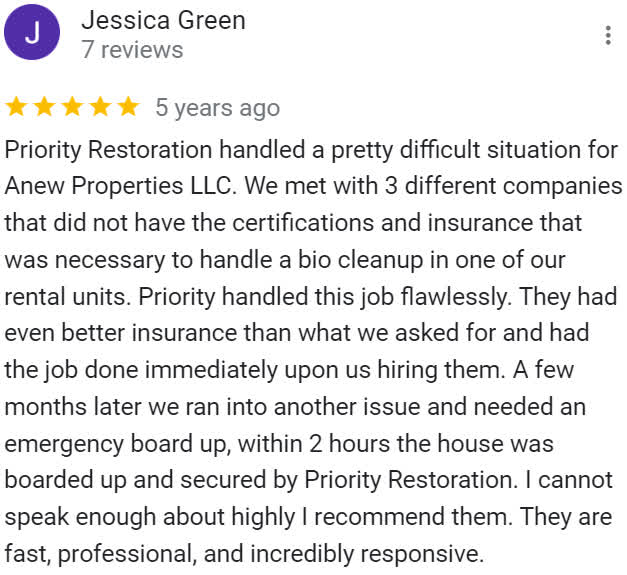
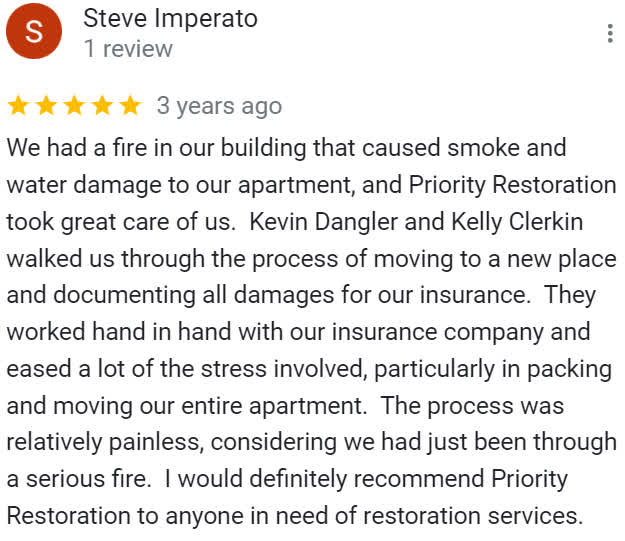
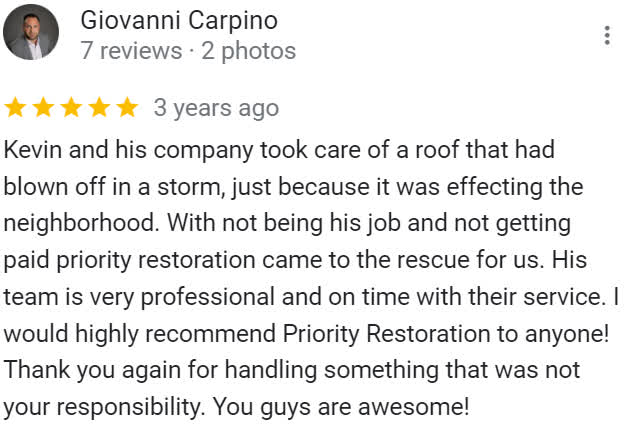
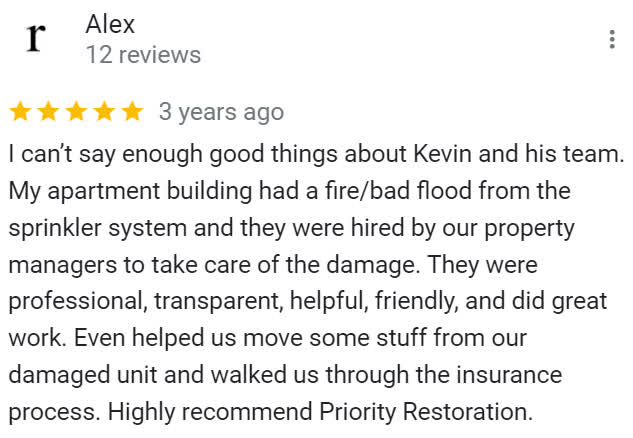
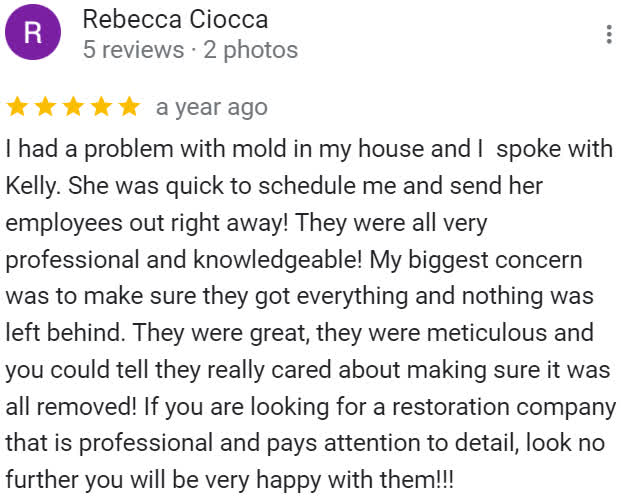
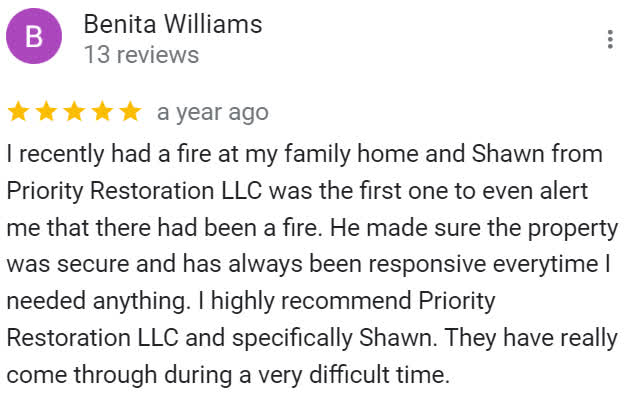
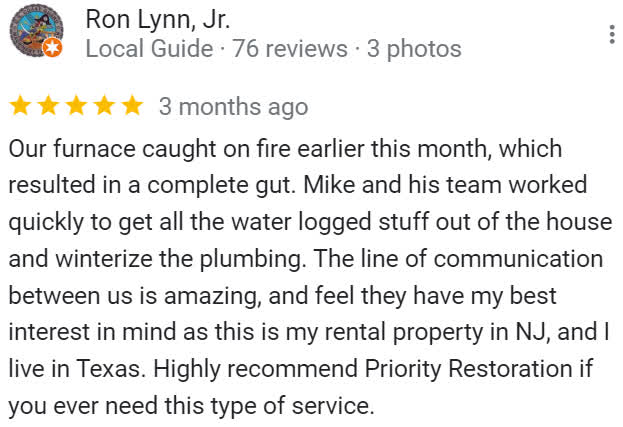
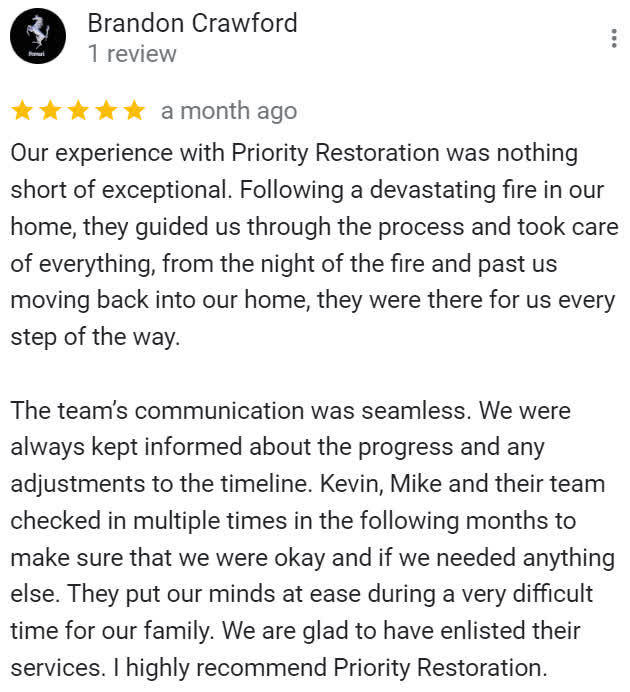
We Go The Extra Mile For Our Customers

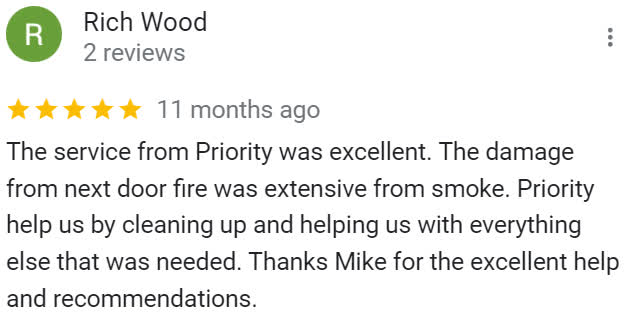

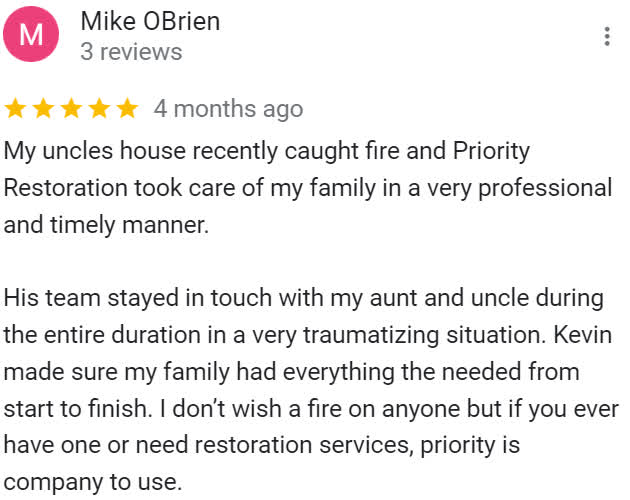
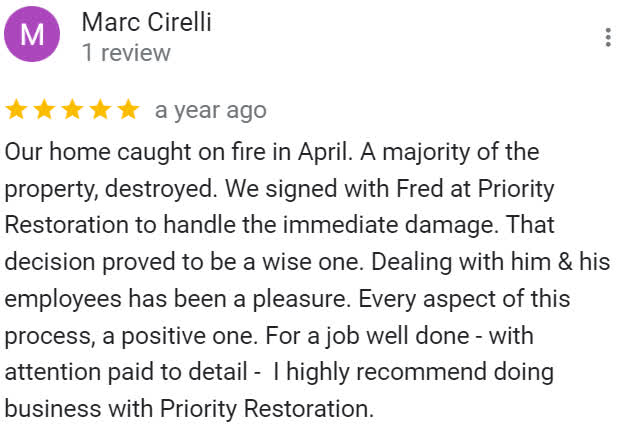
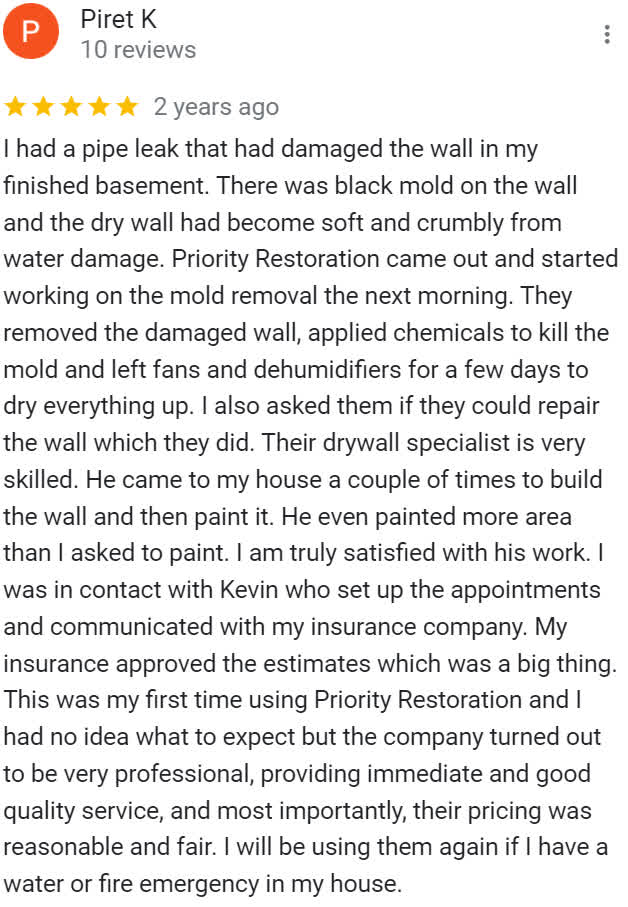





Recent Jobs